What is Pof Shrink Film and How to Choose the Best Option?
Pof Shrink Film is gaining popularity across various industries for its versatility and effectiveness. According to John Mitchell, a renowned expert in packaging solutions, "Choosing the right Pof Shrink Film can significantly impact your product's presentation." This statement highlights the importance of selecting the appropriate shrink film for specific applications.
When considering Pof Shrink Film, one must evaluate factors like thickness, clarity, and shrinkage properties. Each aspect affects how the film performs when applied. Many users overlook the differences in thickness, assuming all films are the same. This misunderstanding can lead to suboptimal results.
Pof Shrink Film is not just about aesthetics; it also plays a crucial role in product protection. Inadequate film can result in damage during shipping. Reflecting on your choices is essential. Ensure you fully understand the specific requirements of your packaging needs when selecting Pof Shrink Film.
What is POF Shrink Film and Its Purpose in Packaging?
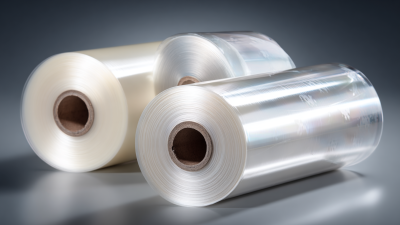
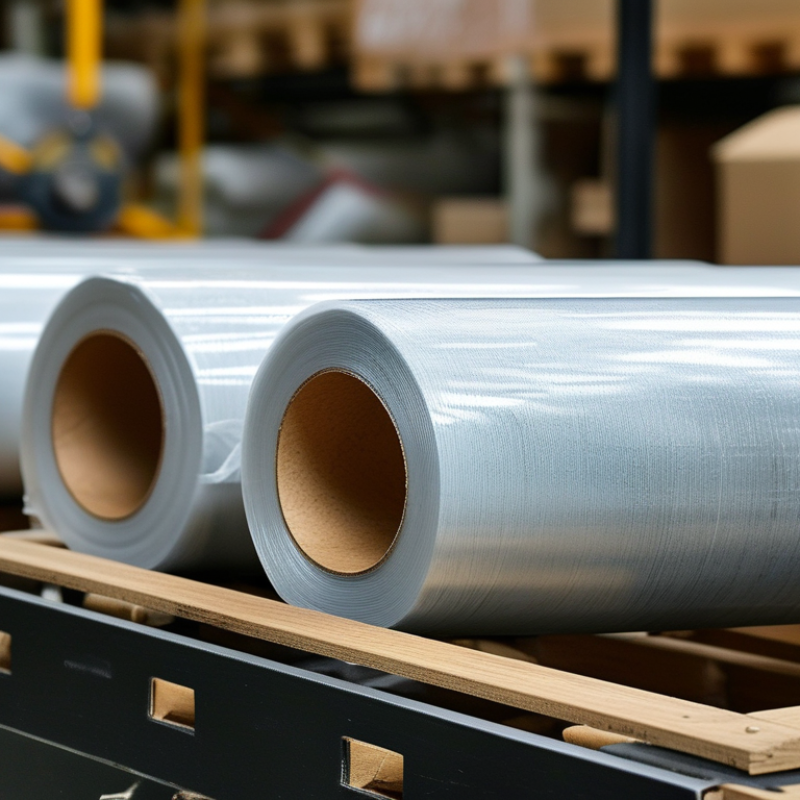
POF shrink film, or polyolefin shrink film, plays a crucial role in the packaging industry. This material offers exceptional clarity and durability, protecting items while providing an appealing presentation. According to Industry Research, the global POF market is projected to grow by 4.5% annually, demonstrating its increasing significance in packaging.
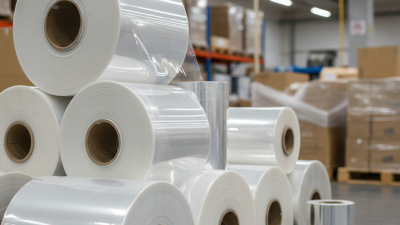
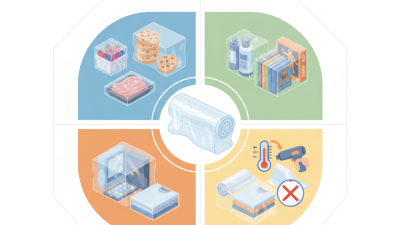
The primary purpose of POF shrink film is to provide an airtight seal around products. It is often used for bundling and packaging various items, including food products, consumer goods, and electronics. The film's ability to conform tightly to the product ensures that it remains intact during transportation and storage. By reducing exposure to moisture and contaminants, POF enhances shelf life, making it valuable in the food industry.
Tip: When selecting POF shrink film, consider its thickness and shrink ratio. A thicker film offers more protection, while a suitable shrink ratio ensures proper fit over your products.
Furthermore, it's essential to reflect on your production process. Not every POF film is suitable for all applications. Take time to assess the specific needs of your product when choosing the right film. Testing different options can lead to improved efficiency and cost savings in the long run.
What is POF Shrink Film and How to Choose the Best Option?
| Feature |
Description |
Considerations |
| Material Composition |
POF (Polyolefin) films are made from a blend of polyethylene and polypropylene. |
Ensure compatibility with your product and regulations. |
| Shrink Ratio |
Common shrink ratios are 50% to 70%, depending on the thickness of the film. |
Choose a ratio that matches your packaging requirements. |
| Thickness Options |
Available in thickness options ranging from 30 to 75 microns. |
Select thickness based on product protection needs. |
| Transparency |
POF films are known for their high transparency and clarity. |
Ideal for products that require visibility. |
| Heat Resistance |
POF films can withstand higher temperatures compared to PVC films. |
Check specific heat resistance for your application. |
| Environmental Impact |
POF is generally more eco-friendly as it is more recyclable compared to PVC. |
Consider your sustainability goals when choosing films. |
| Applications |
Commonly used for bundling, food, and retail packaging. |
Identify the right application for optimal performance. |
Types of POF Shrink Film Available in the Market
POF shrink film is a popular packaging solution, known for its versatility and durability. When exploring the types of POF shrink film available in the market, you will find several options tailored to different needs. The most common types are centerfold, single-wound, and double-wound films. Each type has unique characteristics that influence their performance and application.
Centerfold POF films are typically folded in half. This design allows for easy wrapping of products. Single-wound films come in a flat sheet. They are often used for products that require a tighter wrap. Double-wound films are similar but are designed for items with varying dimensions. Choosing between these options depends on your specific packaging requirements and product types.
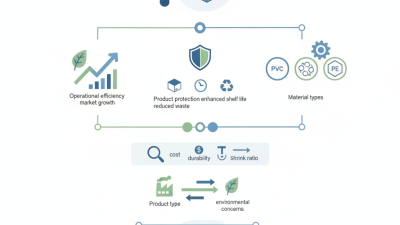
Consider the thickness and shrink ratio as well. Different thicknesses provide varying levels of protection. Shrink ratios indicate how well the film conforms to the product shape. Often, businesses face challenges in making the right choice. These factors can significantly affect the final presentation and integrity of the packaged items. Evaluating your priorities will guide your decision-making process, ensuring you select the POF shrink film that best fits your needs.
Key Features to Consider When Selecting POF Shrink Film
When selecting POF shrink film, consider several key features that impact performance. Thickness is crucial. Most films range from 45 to 150 microns. Thicker films offer better durability, while thinner films provide cost-effectiveness. According to industry reports, a 10-micron increase can improve reliability by nearly 20%.
Another important aspect is clarity. High-quality POF films have superior clarity, enhancing visibility of the packaged product. This is essential for retail applications, where presentation influences buying decisions. Additionally, consider the shrink ratio. A greater shrink ratio allows for more versatile application on irregular shapes.
**Tips:** Always check the film's shelf life. A shorter shelf life can affect usability and waste. Test the film under your specific conditions before committing to a bulk purchase. Lastly, ensure compatibility with your heat source; this can make or break your project efficiency.
Key Features of POF Shrink Film
Comparing POF Shrink Film with Other Shrink Film Options
POF shrink film has gained popularity for its versatility and strength. When comparing it to PVC and PE shrink films, several factors emerge. POF film is often preferred for its superior clarity and gloss. According to a report from Smithers Pira, POF films have a market share of 30% in the shrink film segment due to their excellent heat sealing properties. This makes them ideal for products that require both protection and presentation.
PVC films are widely used but have limitations. They often emit harmful fumes when heated. In contrast, POF is non-toxic and environmentally friendly. This is a significant advantage, especially as regulations around plastic usage tighten globally. The performance characteristics also differ. POF films deliver strong shrinkage rates, often reaching up to 50%, making them suitable for complex shapes and sizes.
It is crucial to evaluate the application when choosing a shrink film. Are aesthetics a priority? Clarity in POF films stands out. However, they can be more expensive than other options. Cost-conscious businesses might lean towards PE films, which are cheaper but can compromise on visual appeal. Hence, the balance between cost, functionality, and presentation is vital. An informed choice involves examining the specific needs of the product being packaged.
Best Practices for Using and Applying POF Shrink Film
When using POF shrink film, proper application is essential for optimal results. Start by selecting the right thickness to match your product's needs. A thinner film is often easier to handle but may not provide as much protection. Conversely, thicker films offer durability but can be more challenging to work with. Consider factors such as the weight and fragility of the items being wrapped.
Temperature settings are also crucial. An inadequate heat setting can leave the film loose and ineffective. On the other hand, excessive heat may cause the film to shrink unevenly. Test the heat levels with a few samples before committing to larger batches. This trial-and-error approach can save time and material.
Finally, keep your workspace organized. A cluttered area can lead to mistakes in application. Utilize proper tools to streamline the process. A good-quality heat gun and shrink tunnel can enhance efficiency. However, be mindful of maintenance; dirty equipment can lead to subpar results. Regular reflections on your process can improve outcomes and build expertise over time.