What is Plastic Wrap Shrink and How Does it Work?
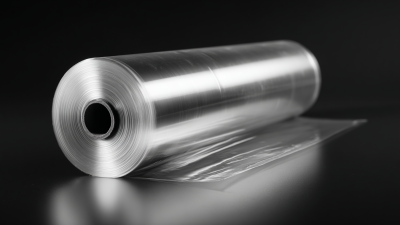
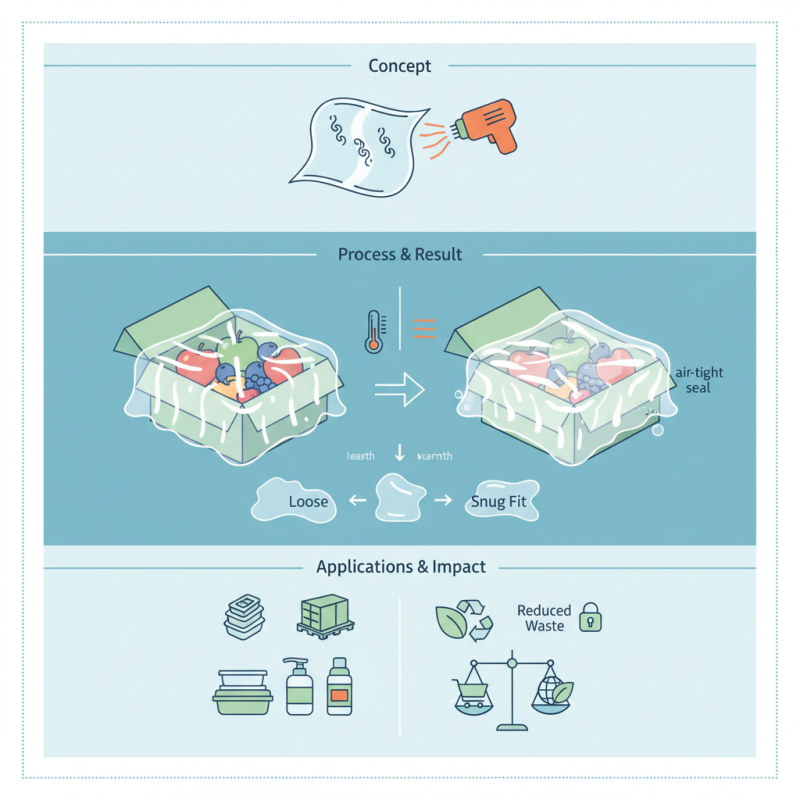
Plastic Wrap Shrink is an intriguing concept that plays a significant role in food preservation and packaging. It involves the use of a special type of plastic wrap that shrinks tightly around items when heated. This process helps create an air-tight seal, ensuring freshness. The application is common in both households and industries.
Understanding how Plastic Wrap Shrink works can enhance your packaging experience. The plastic used contains memory that allows it to contract when activated. Often, this is done using a heat source. The result is a snug fit on various products. Improper usage, however, can lead to wrinkles or poor sealing.
Exploring this topic reveals the importance of material science and practical applications in everyday life. Plastic Wrap Shrink not only reduces waste but also ensures safety. It's fascinating, yet it invites scrutiny regarding its environmental impact. Balancing convenience with sustainability is essential in our modern world.
What is Plastic Wrap Shrink?
Plastic wrap shrink refers to the process where heat is applied to polyolefin or PVC films, causing them to tightly conform to objects. This feature is crucial in packaging, providing a secure seal around products. Industry reports indicate that the global shrink wrap market was valued at approximately $3.5 billion in 2021. It's projected to grow by 4.5% annually through 2026, highlighting its importance.
One notable aspect of plastic wrap shrink is its versatility. It’s widely used in food packaging, electronics, and even pharmaceutical sectors. For instance, food products sealed with shrink wrap can have an extended shelf life, reducing food waste. However, the environmental impact of plastic waste raises concerns. Reports suggest that about 300 million tons of plastic are produced each year, contributing significantly to ocean pollution.
The effectiveness of plastic wrap shrink hinges on the correct application of heat. Insufficient heat can lead to loose wraps, while excessive heat can cause tears. These imperfections can compromise product protection. Thus, businesses must carefully balance efficiency and environmental considerations in their operations. Taking steps to improve these processes can lead to better results and greater sustainability in packaging solutions.
The Science Behind Plastic Wrap Shrinkage
Plastic wrap shrinkage is a fascinating phenomenon driven by the unique properties of polymers. When plastic wrap is heated, its polymer chains, primarily made from polyethylene, become flexible. This flexibility allows the material to shrink around items. The temperature at which this occurs is crucial. Studies show that optimal shrinkage happens around 120°F to 125°F. At this range, the right balance between heat and time is essential for effective wrapping.
The science behind the process lies in the transition of polymer chains. When heated, they lose their ordered structure, allowing them to contract. A report by the International Journal of Polymer Science highlights that the shrinkage rate can exceed 50% under controlled conditions. However, factors such as thickness and texture can affect performance. It's not always a perfect seal; sometimes, wrinkles and bubbles form. These imperfections can lead to less effective barriers against air and moisture. Users often overlook these details, which may compromise the protective qualities of the wrap.
What is Plastic Wrap Shrink and How Does it Work?
| Property |
Description |
Typical Application |
| Material Composition |
Typically made from low-density polyethylene (LDPE) or polyvinyl chloride (PVC). |
Food packaging, surface protection. |
| Heat Sensitivity |
Shrinks when exposed to heat, creating a tight seal. |
Sealing products for storage or shipping. |
| Clarity |
Transparent, allowing visibility of contents. |
Display packaging, food items. |
| Elasticity |
Highly elastic and can stretch to conform to surfaces. |
Wrapping irregularly shaped items. |
| Sealing Method |
Can be sealed using heat or adhesive. |
Shrink wrapping machinery, food packaging. |
Materials Used in Plastic Wrap
Plastic wrap, commonly used in kitchens, is primarily made from polyvinyl chloride (PVC) or low-density polyethylene (LDPE). PVC accounts for a significant portion of the market, offering excellent flexibility and durability. According to a 2022 industry report, approximately 60% of plastic wraps are made from PVC. However, this material raises health concerns. When heated, it can release harmful chemicals.
LDPE, an alternative material, is gaining popularity. It’s considered safer for food contact, especially in microwave use. Some reports suggest that LDPE plastic wraps are more environmentally friendly, with a lower environmental footprint. LDPE wraps have a strong cling ability, ensuring food is securely covered.
Despite these advantages, challenges remain. The production of plastic wraps contributes to pollution and waste. In 2020, around 370 million tons of plastic waste were generated globally. Biodegradable options are limited but emerging. Consumers are beginning to seek wraps made from renewable materials. The industry's shift toward sustainability is slow but necessary. As demand for eco-friendly products rises, manufacturers must adapt.
Materials Used in Plastic Wrap and Their Properties
This chart illustrates the percentage usage of different materials commonly used in plastic wrap. Polyethylene is the predominant material, followed by polyvinyl chloride and polypropylene. Cellophane is used to a lesser extent.
Applications and Benefits of Plastic Wrap Shrink
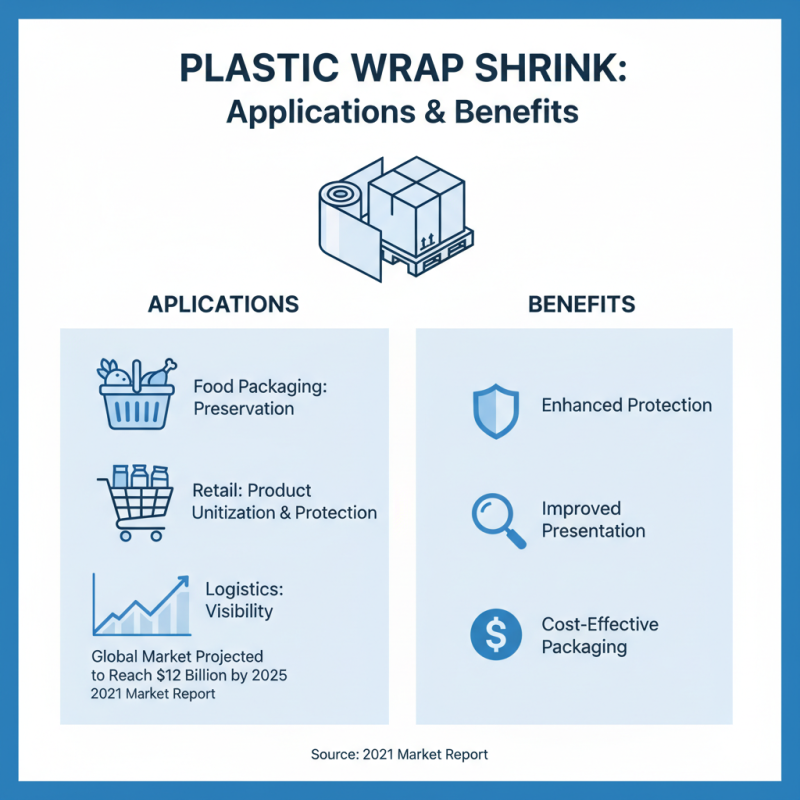
Plastic wrap shrink is an innovative packaging solution that offers several advantages in various industries. It is commonly used in food packaging, retail, and logistics. According to a 2021 market report, the global stretch film market is projected to reach $12 billion by 2025. This growth is driven by the need for effective preservation and product visibility.
In the food industry, plastic wrap shrink provides a barrier against moisture and contaminants. Food products remain fresh longer, reducing waste. For example, shrink-wrapped fruits and vegetables have a 30% longer shelf life compared to those without. Retailers appreciate the clear visibility plastic wrap offers. Customers can see the product while ensuring hygiene. However, challenges exist. Improper application may lead to air bubbles, compromising the packaging's integrity.
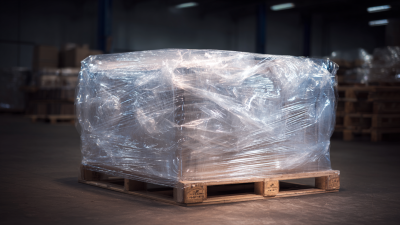
The logistics sector benefits from plastic wrap shrink for its efficiency. It secures items during transport, minimizing damage. A recent study found that 25% of products are damaged in transit. Using shrink wrap can lower this figure significantly. Nevertheless, not all shrink wraps are created equal. Selecting the right type is critical. Factors like thickness and shrink ratio play a vital role. Ensuring proper usage requires ongoing training and awareness in the workforce. Issues with disposal and recycling also need further exploration.
How to Properly Use Plastic Wrap for Shrinkage
Plastic wrap shrink is a fascinating concept. It involves a type of plastic that shrinks when heated. This process is popular in packaging. Many people, however, struggle with its proper use.
To use plastic wrap effectively, start by preheating your heat source. Heat guns or ovens can be appropriate. Lay the plastic wrap over the item you wish to shrink. Ensure it is smooth and wrinkle-free. Wrinkles can create unappealing results. Apply heat evenly. Too much heat may cause burning, while too little will prevent shrinkage.
Timing is crucial. Watch the material closely as it shrinks. It can be tempting to walk away, but this can lead to mistakes. Occasionally, you might find areas where the wrap doesn’t adhere properly. Try reapplying heat to those spots. This trial-and-error method is common. Even experienced users face challenges. Don’t get discouraged. Each attempt offers a learning opportunity. Embrace the process for the best results.