How to Use Heat Shrink Wrap for Professional Quality Packaging Solutions
The packaging industry has witnessed significant advancements in recent years, with heat shrink wrap emerging as a vital solution for achieving professional quality packaging. According to a report by Smithers Pira, the global market for shrink packaging is expected to reach $30.5 billion by 2025, growing at a CAGR of 5.4%. This growth can be attributed to the increasing demand for durable packaging that enhances product visibility and extends shelf life. As businesses strive for more effective packaging solutions, heat shrink wrap stands out for its versatility and reliability.
Renowned packaging expert Dr. Emily Cartwright highlights the importance of adopting advanced packaging techniques: "Utilizing heat shrink wrap not only improves product protection but also elevates the aesthetic appeal, ensuring products stand out in competitive retail environments." This statement underscores the dual benefits of heat shrink wrap—functionality and visual attractiveness—making it an ideal choice for various industries, from food and beverage to electronics and consumer goods. By mastering the application of heat shrink wrap, businesses can enhance their operational efficiency and customer satisfaction.
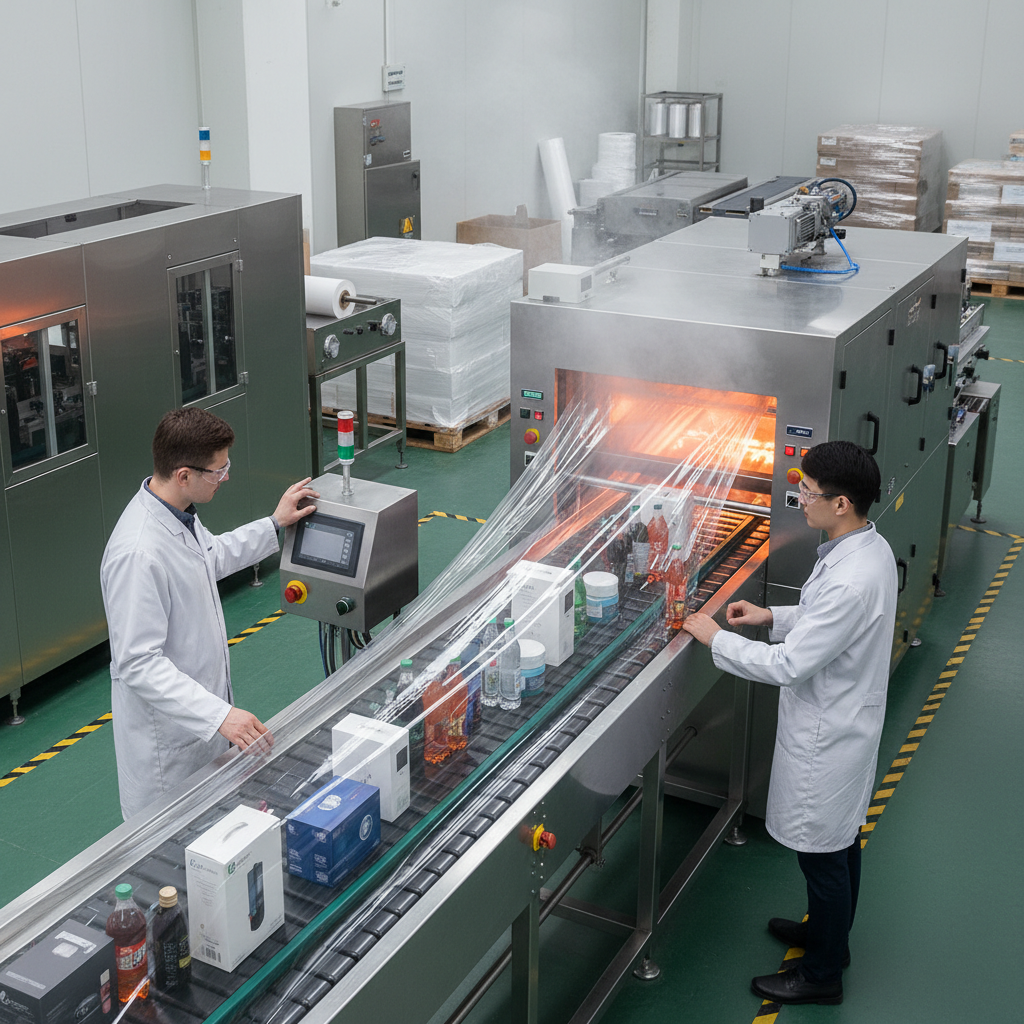
Understanding the Basics of Heat Shrink Wrap and Its Applications
Heat shrink wrap is a versatile packaging solution widely used across various industries. It is created from polymer materials that shrink tightly over products when heat is applied, forming a protective layer. According to a report by Smithers Pira, the global market for shrink film is projected to reach $10.2 billion by 2025, reflecting an annual growth rate of 4.4%. This increase can be attributed to the rising demand for efficient packaging solutions that enhance product visibility and protect goods during transportation and storage.
One of the most common applications of heat shrink wrap is in the food industry, where it is utilized to package items ranging from produce to frozen foods. The heat shrink process not only ensures a secure and tight fit but also extends the shelf life of products by providing a barrier against moisture and contaminants. A survey by the Flexible Packaging Association noted that 64% of food manufacturers prefer shrink wrap over traditional packaging methods, highlighting its effectiveness in maintaining freshness and reducing waste. Additionally, heat shrink wrap is important for non-food items, such as electronics and pharmaceuticals, where product integrity and presentation are paramount.
Choosing the Right Type of Heat Shrink Wrap for Your Packaging Needs
When selecting the right type of heat shrink wrap for your packaging needs, consider factors such as the item’s size, shape, and the environment it will encounter.
Polyolefin and PVC are two common types of heat shrink wrap used in various applications. Polyolefin is known for its clarity and durability, making it ideal for products that will be displayed on shelves. PVC, on the other hand, offers a more cost-effective solution and is suitable for bulk packaging.
Tip: Always measure your item carefully before purchasing shrink wrap. The right size ensures that you minimize waste and achieve a snug fit, providing the utmost protection for your product.
Another important consideration is the thickness of the wrap. Thicker shrink wraps provide more durability and protection, whereas thinner options might be sufficient for lighter or less fragile items. Additionally, think about the intended use—whether the product will be exposed to varying temperatures or humidity can influence your choice.
Tip: If you’re unsure about which thickness to choose, conduct a test with different wraps to see which provides the best balance of flexibility and protection for your specific needs.
Essential Tools and Equipment for Effective Heat Shrink Wrapping
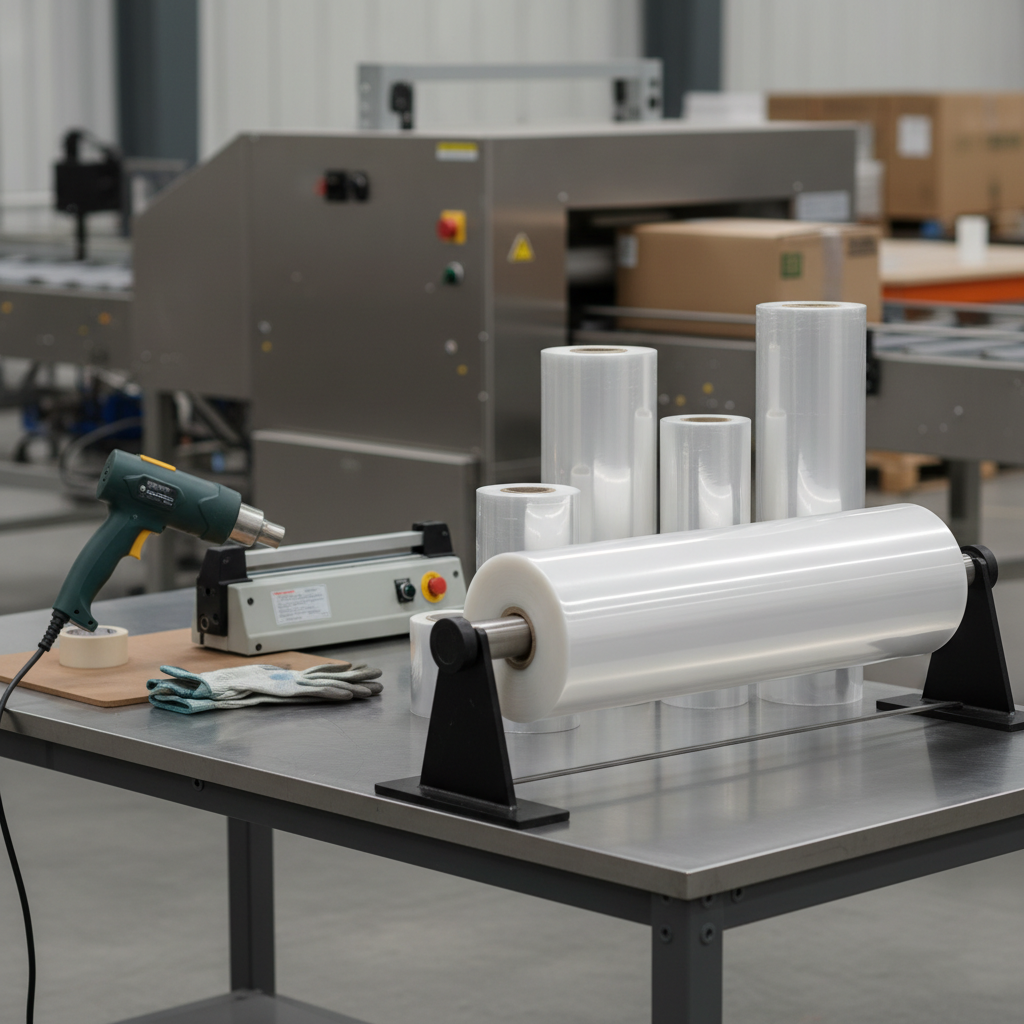
When it comes to effective heat shrink wrapping, having the right tools and equipment is essential for achieving professional-quality results. The primary equipment includes a heat shrink wrap itself, which comes in various sizes and thicknesses depending on the packaging needs. A high-quality shrink wrap is crucial to ensure durability and protection against moisture, dust, and physical damage. Investing in a good-quality roll can significantly enhance your packaging efficiency.
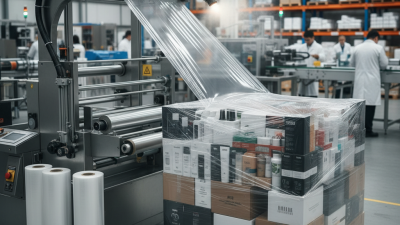
In addition to the shrink wrap, a heat gun is an indispensable tool for the shrink-wrapping process. Unlike conventional hair dryers, a heat gun provides adjustable temperature settings and more concentrated heat, allowing for better control over the shrinking process. Furthermore, a sturdy work surface and heat-resistant gloves will ensure safety and convenience while you work. For larger or more continuous projects, using a shrink wrap machine can streamline the process, allowing for quicker and more uniform wrapping. With the right tools at your disposal, achieving a professional finish in heat shrink wrapping becomes an attainable goal.
Step-by-Step Guide to Achieving Professional Results with Heat Shrink Wrap
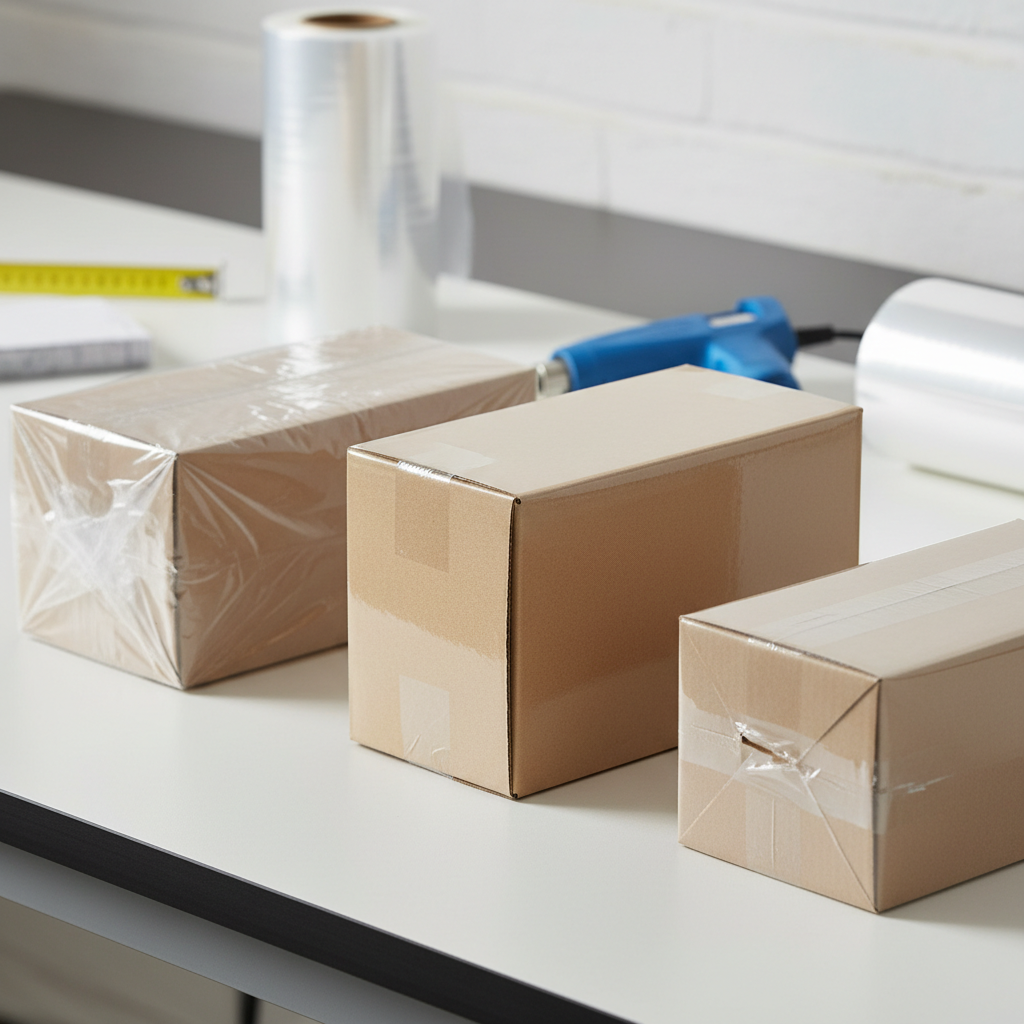
Using heat shrink wrap is an effective way to achieve professional quality packaging for a variety of items. The first step is to gather all necessary materials, including the heat shrink film, a heat gun or shrink wrap machine, and scissors or a cutting tool. Begin by measuring the item you wish to package and cut a piece of shrink wrap that adequately covers it, allowing a little extra for secure sealing. Place the item in the center of the shrink wrap and fold the sides over it, ensuring a snug fit.
Once wrapped, use a heat gun or shrink wrap machine to activate the film. Hold the heat source at a consistent distance from the wrap, moving it around to evenly distribute the heat. This process causes the shrink wrap to contract tightly around the item, ensuring it is securely sealed. Pay special attention to the corners and edges to avoid leaving any gaps. For optimal results, ensure that the work area is dust-free, as any debris stuck under the film can compromise the final appearance. Following these steps will enable you to produce a polished, professional-looking package that protects your products while enhancing their presentation.
Common Mistakes to Avoid When Using Heat Shrink Wrap for Packaging
When using heat shrink wrap for packaging, avoiding common mistakes can significantly enhance your professional results. One prevalent mistake is failing to choose the right size of shrink film. If the wrap is too large, it can lead to excessive wrinkling, while too small a sheet can cause tearing. Always measure your product accurately and select a film that provides adequate coverage without being bulky.
Another pitfall is neglecting to preheat your heat gun properly. Starting with a cold heat source can result in uneven shrinkage and compromised packaging integrity. Before application, heat the gun for a few minutes to ensure consistent temperature distribution. This simple tip can prevent uneven surfaces and enhance the overall appearance of your package.
Lastly, remember to use a suitable work surface that allows for easy movement. A cluttered workspace can lead to accidental damage to the wrap or your product. Keep your area organized and free of clutter to ensure smooth handling of the shrink wrap. By being mindful of these common mistakes, you can achieve a clean and professional look for your packaged items.