What is Heat Shrink Wrap and How is it Used?
In the packaging industry, "Heat Shrink Wrap" plays a vital role. Experts like Jane Thompson, a renowned packaging specialist, emphasize its importance. She once stated, “Heat Shrink Wrap creates a tight, protective seal for a variety of products.”
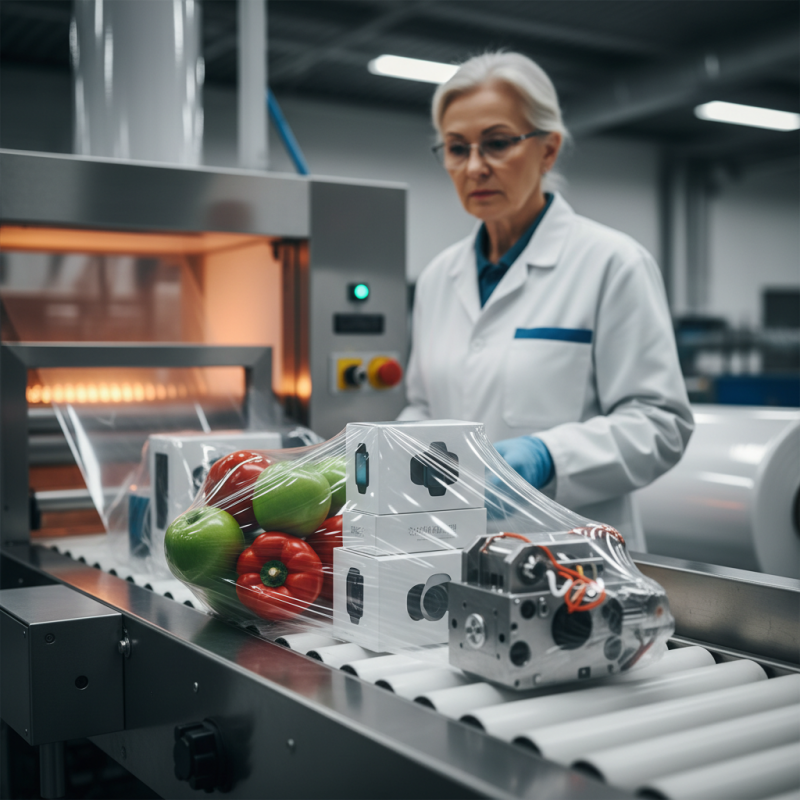
Heat Shrink Wrap is a versatile material. It is used in various sectors, from food packaging to electronics. This wrap shrinks when heat is applied, conforming to the shape of the object. It offers durability and protection against dust and moisture.
Despite its benefits, some challenges exist. Sourcing high-quality materials can be difficult. Users sometimes struggle to achieve the perfect shrink. However, when done correctly, Heat Shrink Wrap can enhance product presentation and shelf life. It is crucial to understand its application properly for the best results.
Definition of Heat Shrink Wrap
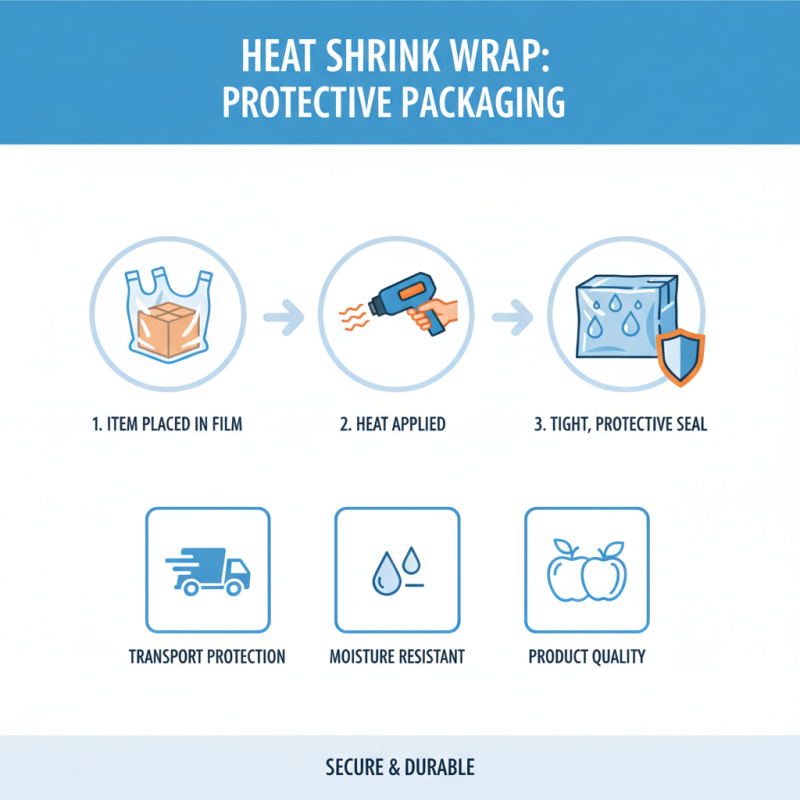
Heat shrink wrap is a versatile material. It is used in many industries for packaging, insulation, and protection. Made from polymer plastic, it shrinks when heat is applied. This creates a tight seal around objects, providing a durable layer. The process is simple yet effective. You cut the wrap to size, place it around the item, and then heat it.
The applications are diverse. From securing items for shipping to protecting electrical components, heat shrink wrap is invaluable. It's commonly used in crafting as well. Crafters enjoy wrapping gifts or projects, making them look neat. However, some issues may arise. Improper heating can lead to bubbles or uneven shrinkage. It requires a bit of practice.
Different types of heat shrink wrap exist. Each type has unique properties suited for specific tasks. Some are thicker for heavier items, while others are thin and flexible. Experimentation is often necessary to find the right fit. Be willing to try different options. Remember, achieving a perfect seal takes time and skill.
What is Heat Shrink Wrap and How is it Used? - Definition of Heat Shrink Wrap
| Dimension |
Details |
| Material |
Polyolefin, PVC |
| Thickness |
2 mil to 10 mil |
| Applications |
Packaging, insulation, protection |
| Shrink Temperature |
Around 250°F to 300°F (121°C to 149°C) |
| Benefits |
Durability, water resistance, tamper evidence |
| Sizes Available |
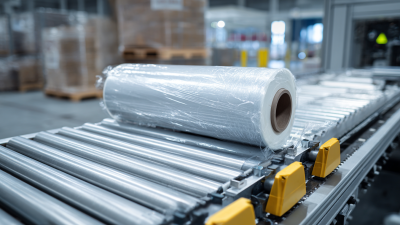
Rolls, sheets, custom sizes |
| Equipment Used |
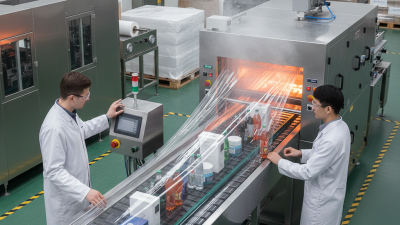
Heat guns, shrink tunnels |
Materials Used in Heat Shrink Wrap Production
Heat shrink wrap is produced using a variety of materials, each offering unique attributes. The most common material used is polyolefin. Reports show that it accounts for approximately 60% of the heat shrink wrap market. Polyolefin is prized for its flexibility and strength. It also offers a good balance between cost and effectiveness.
Another popular material is PVC, which is known for its clarity and durability. According to industry studies, PVC heat shrink has seen a steady demand due to its excellent electrical insulation properties. However, it requires careful handling during production. Improper heating can lead to unwanted shrinking, resulting in wasted materials and increased costs.
Lastly, nylon is also utilized, especially in food packaging. Nylon has a high resistance to punctures and tears. Reports indicate that it maintains its integrity even under extreme conditions. Despite its benefits, nylon is not as widely adopted as polyolefin and PVC. This is mainly due to its higher production costs. As the market evolves, finding the right balance between material properties and cost-effectiveness remains a challenge.
Usage of Heat Shrink Wrap Materials
Common Applications of Heat Shrink Wrap
Heat shrink wrap is commonly used across various industries. Its versatility makes it a top choice for packaging. According to a recent industry report, the global market for heat shrinkable materials is projected to reach $12 billion by 2025, highlighting its importance in packaging solutions.
In the electronics sector, heat shrink wrap provides essential protection for wires and components. This offers insulation and abrasion resistance. The automotive industry uses this material for harnesses and connections, ensuring durability in harsh conditions. In food packaging, heat shrink wrap helps maintain freshness and prevent contamination. This method is efficient, reducing spoilage and extending shelf life.
Despite its advantages, there are challenges. Improper application can lead to issues, such as uneven shrinking. This may compromise the integrity of the packaging. Furthermore, not all heat shrink wraps are recyclable, raising environmental concerns. There's a growing need for sustainable options in the market. Balancing performance and eco-friendliness remains a critical focus for many manufacturers.
Step-by-Step Installation Process for Heat Shrink Wrap
Heat shrink wrap is a versatile material used for various applications. It clings tightly to objects when heat is applied. This process creates a protective layer that can resist moisture, dust, and other damaging elements. The installation of heat shrink wrap may seem daunting, but following a step-by-step approach makes it easier.
Begin your installation by preparing the surface. Ensure it is clean and dry. Any dust or moisture can lead to improper adhesion. Measure the area that needs wrapping. Cut the shrink wrap to size, allowing extra on each side for overlap. This step can feel tedious, but precision here is crucial.
Next, position the wrap over the object. Use a heat gun to apply even heat. Keep the gun moving to prevent burning the wrap. Watch for areas where the wrap isn't shrinking properly; these spots may need extra attention. When fully shrunk, the wrap should fit snugly. Don't rush this process, as missing details can compromise the wrap’s effectiveness.
Advantages and Disadvantages of Using Heat Shrink Wrap
Heat shrink wrap is a versatile packaging material often used in various industries. Its primary advantage is its protective capability. When heat is applied, the material shrinks tightly around the item. This creates a secure, moisture-resistant seal. It helps preserve the quality of products, especially in transportation.
However, there are downsides to consider. While the wrapping is efficient, it can generate waste. Not all heat shrink wraps are recyclable, leading to environmental concerns. Moreover, applying heat incorrectly can damage the contents. Overheating can cause distortion or melting. Users need to be cautious during the application process.
Choosing heat shrink wrap involves weighing these factors. Its protective benefits should be balanced against potential waste and mishaps. In practice, it requires careful selection and attention to detail. It's not always the perfect solution, but it can be effective when used properly.