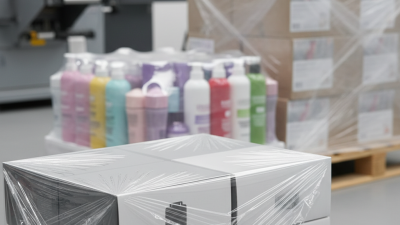
Top Tips for Efficient Plastic Shrink Packaging Solutions?
In the ever-evolving landscape of packaging, "Plastic Shrink Packaging" holds a pivotal role. Industry expert Dr. Emily Carter, known for her research on sustainable packaging solutions, emphasizes, "Efficiency in packaging is not just about materials but also about processes." This insight underscores the importance of optimizing every step in the packaging journey.
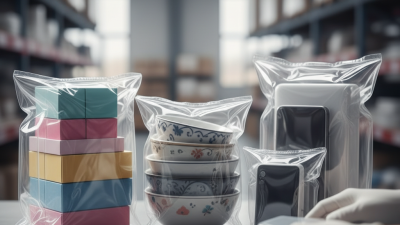
Plastic shrink packaging, with its versatility and durability, has been a game-changer for businesses. However, achieving efficiency requires careful consideration. Many companies struggle with the balance between speed and quality. Mistakes in the application can lead to waste. A well-executed shrink packaging process protects products while enhancing presentation. Yet, it demands thoughtful planning.
Reflecting on practices in Plastic Shrink Packaging can reveal areas for improvement. Companies may overlook critical aspects like machinery maintenance or staff training. Innovations are critical, but they come with a learning curve. Emphasizing continuous improvement can lead to more reliable and effective packaging solutions.
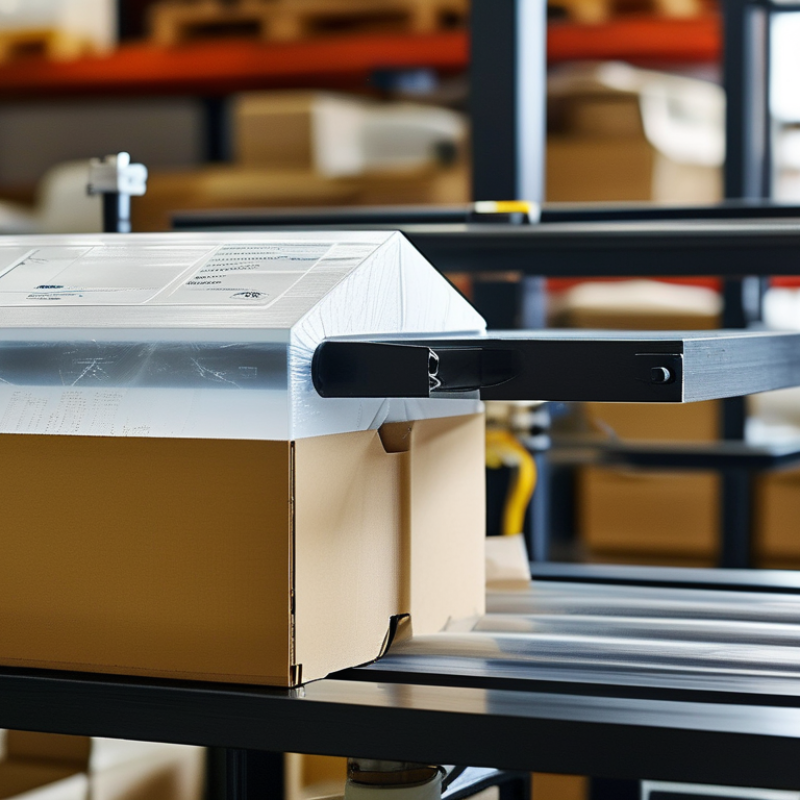
Understanding Plastic Shrink Packaging and Its Benefits
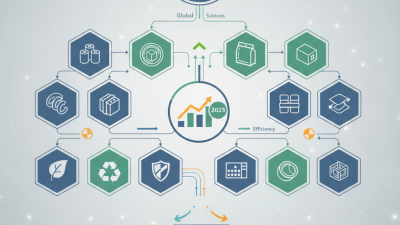
Plastic shrink packaging has increasingly become a popular choice for various industries, from food to electronics. This packaging method involves using heat to shrink a plastic film around products, providing a secure and tamper-evident barrier. According to a recent market analysis, the global plastic packaging market is expected to reach $650 billion by 2025, with shrink films accounting for a significant share due to their versatility and cost-effectiveness.
One of the key benefits of plastic shrink packaging is its ability to optimize space. It not only minimizes storage needs but also reduces shipping costs. A study highlighted that businesses can save up to 30% on shipping by using shrink packaging. Additionally, it offers a high degree of customization, making it suitable for various shapes and sizes. However, not all materials perform equally well under heat. Some may not shrink uniformly, leading to waste or compromised product presentation. This area needs further exploration and improvement.
Moreover, while shrink packaging offers numerous benefits, sustainability remains a concern. The production of plastic films has environmental implications, and companies are urged to balance efficiency with eco-friendly practices. Many businesses face challenges in sourcing recyclable materials or adapting to green alternatives. Addressing these issues is essential for long-term sustainability and industry growth.
Key Factors to Consider for Efficient Shrink Packaging
When considering efficient shrink packaging solutions, several key factors come into play. Understanding the materials used is critical. The choice between PVC, PE, and other types can impact both cost and performance. PVC provides a strong, clear finish, while PE is known for its flexibility. Each material has unique handling characteristics that need to be aligned with your product specifics.
Temperature control during the shrink process is another crucial element. The sealing machine settings must match the requirements of your chosen film. Too much heat can damage the product, while insufficient heat may result in inadequate shrinkage. Testing different temperatures may be necessary, revealing insights about the optimal settings.
Furthermore, packaging design should not be overlooked. The shape and size affect the shrink film's ability to conform. An ill-fitting design can lead to waste and inefficiency. Evaluating the entire packaging layout can enhance performance. Regularly reviewing these factors ensures continuous improvement in your shrink packaging process.
Selecting the Right Materials for Shrink Packaging Applications
Selecting the right materials for shrink packaging applications is vital for overall efficiency. Polyolefin is commonly favored for its clarity and adaptability. As noted by the Flexible Packaging Association, around 40% of retail products utilize polyolefin for shrink wraps. This material offers excellent strength while maintaining a lightweight profile.
Alternatives like PVC shrink film also exist. However, sustainability concerns arise with PVC due to its environmental impact. Recent studies indicate that nearly 50% of consumers are motivated to purchase products using more eco-friendly packaging materials. As brands strive to meet this demand, it’s essential to weigh the pros and cons of each option. Choosing the right film can enhance product shelf life, but businesses need to consider material disposal.
Performance should be carefully evaluated. The seal integrity must be reliable under varying conditions, such as temperature fluctuations. Reports show that improper sealing can lead to a 15% increase in product returns. These statistics highlight the importance of rigorous testing to ensure the materials selected meet quality standards while fulfilling environmental responsibilities.
Top Tips for Efficient Plastic Shrink Packaging Solutions
| Material Type |
Characteristics |
Best Uses |
Advantages |
Disadvantages |
| PVC |
Clear and glossy finish, good shrink characteristics |
Food packaging, electronics |
Cost-effective, high clarity |
Not biodegradable, potential for harmful chemicals |
| PE |
Flexible, lightweight, good resistance to moisture |
Non-food items, personal care products |
Environmentally friendly options available |
Lower shrink capabilities compared to PVC |
| PP |
Strong, resistant to chemicals, versatile |
Consumer goods, packaging for heavy items |
Higher melting point, excellent moisture barrier |
More expensive than PVC |
| PVB |
High strength, excellent barrier properties |
Specialty applications, high-end products |
Superior protection, premium appearance |
Cost prohibitive for general use |
Techniques to Optimize Shrink Packaging Process Efficiency
Optimizing plastic shrink packaging processes can significantly enhance efficiency. According to a recent industry report, improvements in packaging efficiency could reduce costs by up to 20%. This can be particularly beneficial for companies facing competitive pressures.
One effective technique is to ensure proper temperature control during the shrink wrapping process. A temperature variance of just a few degrees can dramatically impact the final package’s integrity. Companies should invest in calibrated equipment and regular maintenance checks. Monitoring these factors helps achieve a consistent seal, minimizing waste.
Implementing automated solutions can further streamline the process. Automation aids in maintaining speed and precision. Figures show that automated systems can cut packaging time by as much as 30%. It's essential to regularly evaluate the equipment and processes employed. This reflection can highlight areas for improvement.
Investing in high-quality shrink film can also pay off. While upfront costs may be higher, long-term performance and durability often justify the initial expense. A report indicated that using superior materials could extend shelf life by 15%. This not only protects products but also reduces returns and enhances customer satisfaction.
Best Practices for Environmental Sustainability in Shrink Packaging
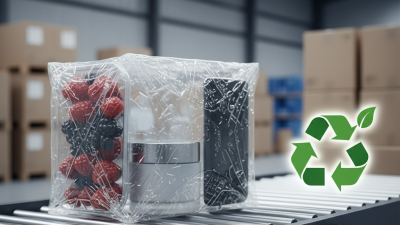
Shrink packaging is an effective method for protecting products, but it can significantly impact the environment. Many companies overlook sustainable practices in their shrink packaging processes. Emphasizing environmental sustainability is more important than ever. Using biodegradable materials for shrink films can greatly reduce plastic waste. Not all materials are created equal; some are more eco-friendly than others.
Adjusting the design of packaging can also help. Consider the size and shape of products to minimize excess plastic. This not only makes the packaging more efficient but also reduces the amount of material used. Designing for recyclability is crucial as well. Consumers are increasingly looking for brands that prioritize sustainable solutions.
However, transitioning to sustainable shrink packaging requires careful thought. Companies may face challenges, such as higher initial costs or limited access to eco-friendly materials. It calls for a reassessment of the supply chain and manufacturing processes. Continuous reflection on methods and materials will foster a culture of sustainability. Embracing these changes can lead to more responsible packaging solutions that benefit both the environment and brand reputation.
Top Tips for Efficient Plastic Shrink Packaging Solutions