How to Effectively Use Shrink Wrap for Packaging Solutions?
Shrink Wrap Shrink Wrap is revolutionizing packaging solutions across industries. As an expert in the field, John Thompson says, “Effective shrink wrapping can significantly enhance product protection.” This statement highlights the importance of using shrink wrap effectively to ensure that products remain intact during storage and transport.
The versatility of Shrink Wrap Shrink Wrap allows it to adapt to various shapes and sizes. Whether you are packaging food items, electronics, or industrial components, the right shrink wrap can provide a secure barrier against dust, moisture, and other potential hazards. It is essential to choose the correct type of material and application method to maximize its benefits.
However, many users often overlook these factors. They may rush through the process, leading to subpar results. This oversight can result in product damage or increased costs. Knowing the optimal techniques is vital. As businesses become more aware of these details, their efficiency and effectiveness can significantly improve.
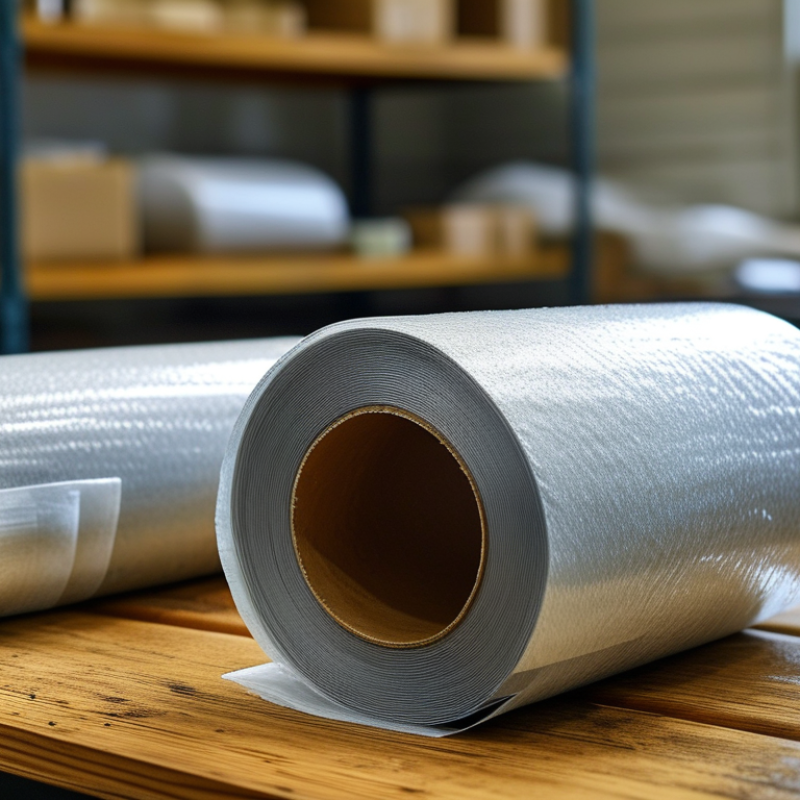
Choosing the Right Type of Shrink Wrap for Your Packaging Needs
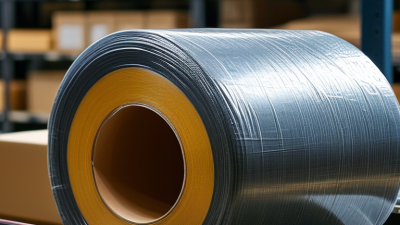
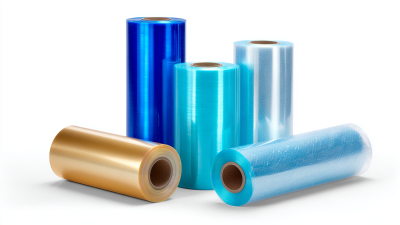
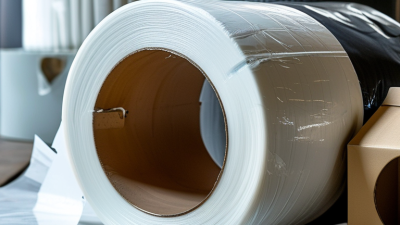
Choosing the right type of shrink wrap is essential for effective packaging solutions. Various options are available, each with unique properties.
Polyolefin shrink wrap is a popular choice due to its versatility. It provides a clean, professional appearance and is food-safe. PVC shrink wrap is suitable for low-cost projects but lacks the same durability. For heavy-duty items, consider using cross-linked shrink films, as they offer superior strength.
Understanding the intended use of the shrink wrap is crucial. Are you packaging fragile items or heavy products? Consider the environment your product will face. Some wraps perform poorly in extreme temperatures, leading to potential failure.
Test samples in your actual conditions can help identify weaknesses.
Selecting the right shrink wrap may involve trial and error. Factors such as thickness and clarity can affect shelf appeal and protection. It's important to evaluate costs versus benefits. A cheaper option may save money but could decrease safety during transit. Make sure to reassess your choice periodically to improve your packaging strategy.
Preparing Items Properly Before Applying Shrink Wrap
Properly preparing items for shrink wrapping is crucial for ensuring effective packaging. Start by cleaning the items. Dust and dirt can affect adhesion and ruin the aesthetics. Use a lint-free cloth for this task to ensure a flawless surface.
Next, consider the size and shape of the items. Oddly shaped products may need extra cushioning or support before wrapping. Using bubble wrap or foam can help maintain the integrity of these items during transit.
It's essential to assess the materials you will be using. Not all shrink wraps are created equal. Different thicknesses and types may be necessary based on the product being wrapped. However, improper selection can lead to failures. Sometimes, individuals choose the cheaper option without considering durability. This could jeopardize the entire packaging effort.
Finally, practice makes perfect. It’s common to encounter challenges, especially during the initial wrapping attempts. Adjust the heat gun’s temperature. Too hot can cause tears; too cool may not shrink adequately. Experiment with different settings until you find the right balance for your specific items. This process can be time-consuming but will yield better results in the long run.
The Step-by-Step Process of Applying Shrink Wrap Effectively
When using shrink wrap for packaging, attention to detail is crucial. Start by selecting the right type of shrink wrap for your product. There are various thicknesses and materials available, and each serves different purposes. Choose one based on the item's size and weight. For heavy or irregularly shaped items, thicker wrap provides better protection.
Next, prepare your workspace. Ensure the area is clean and organized. This helps prevent contaminants from affecting the wrap or product. After laying out your items, heat the shrink wrap until it molds perfectly around them. Use an appropriate heat source, like a heat gun, but be cautious. Too much heat can damage the wrap or your product.
As you apply the shrink wrap, check for bubbles and wrinkles. They can compromise the integrity of the package. If issues arise, revisit your techniques. Maybe your heating speed was off or the wrap wasn't taut enough. Reflecting on these factors can lead to improvements in your processes. The goal is to create a professional appearance while ensuring the product is fully protected.
Best Practices for Using Heat Guns and Shrink Wrap Equipment
Using heat guns and shrink wrap equipment effectively requires careful attention to detail. Proper adjustment of the heat settings is crucial. A heat gun that is too hot can damage the packaging. Conversely, insufficient heat can lead to loose wraps. Test different settings on sample items before packaging the final products.
When using shrink wrap equipment, ensure that the items are clean and dry. Dust and moisture can compromise the seal, leading to product spoilage. Overlapping the edges of the wrap can also create weak spots. Ensure that the wrap is taut without any folds. This helps in achieving a professional finish.
Consider packaging in a quiet, calm environment. Noise or distractions can lead to mistakes. Take time to inspect each package after shrinking. Look for any areas that may need redoing. Packaging can be a repetitive task, which sometimes leads to oversight. Noticing these details can greatly enhance the quality of the final product.
Effectiveness of Shrink Wrap Techniques
This bar chart illustrates the effectiveness score of different shrink wrap techniques based on heat gun temperature, wrap thickness, packaging speed, and material cost. Higher scores indicate better performance in packaging solutions.
Storage and Shipping Considerations for Shrink-Wrapped Products
Shrink wrapping is essential for storage and shipping. It provides a barrier against dust, moisture, and physical damage. According to a 2022 report by Packaging Strategies, 43% of companies report shrink wrap as their preferred method for protecting goods during transport. This method is particularly effective for products that need to maintain their quality, such as food and pharmaceuticals.
When considering shrink wrap for shipping, environmental conditions are crucial. Products exposed to extreme temperatures may experience shrink wrap failure. A study from the International Journal of Packaging Technology found that failure rates can increase by 18% in high humidity. Companies must evaluate their shipping routes and storage environments to ensure the integrity of shrink-wrapped items.
While shrink wrap is efficient, it is not without challenges. Weak seals can lead to compromised packages, resulting in product loss. The same Packaging Strategies report noted that 15% of businesses face issues with seal quality. Regular inspection and quality assurance processes are needed to mitigate these risks. Finding a balance between cost and quality is essential.