How to Use Plastic Shrink Wrap Effectively for Packaging?
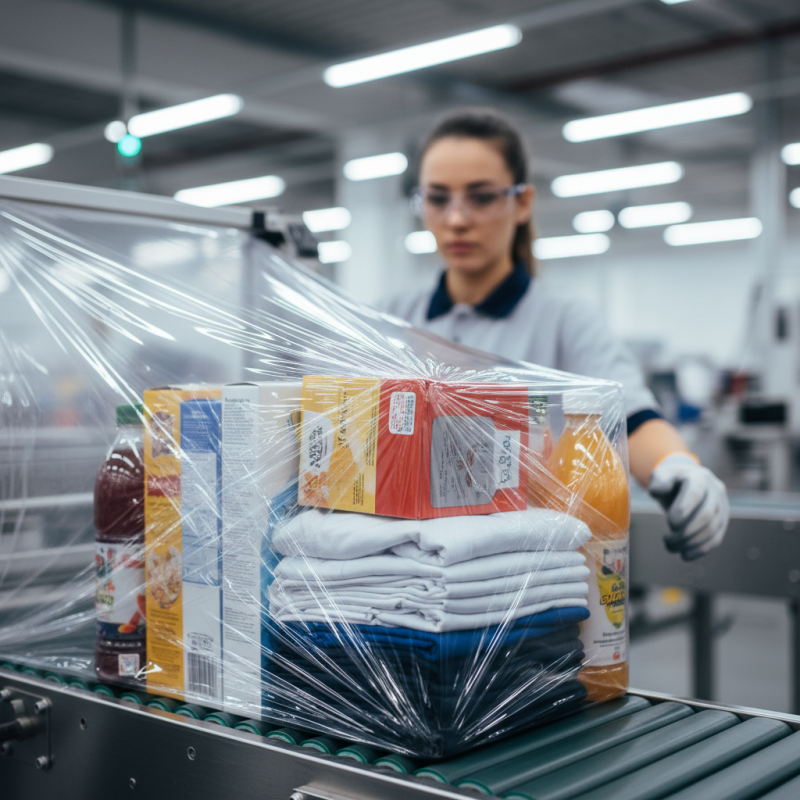
In the world of packaging, "Plastic Shrink Wrap" plays a crucial role. Industry expert Sarah Thompson states, “Effective shrink wrapping not only protects products but also enhances their presentation.” This highlights the dual purpose of shrink wrapping: security and aesthetics.
Using Plastic Shrink Wrap correctly can save time and money. It offers a reliable method to bundle products neatly. However, many struggle with achieving the right tension. If the wrap is too loose, items may shift during transport. An overly tight wrap can cause damage.
Mistakes in technique can lead to wasted materials. Proper training is essential for optimal use. It’s not just about wrapping; it’s about understanding how to wrap. Reflecting on these challenges can lead to improvement. Efficient use of Plastic Shrink Wrap demands practice and awareness.
Types of Plastic Shrink Wrap and Their Uses in Packaging
When considering types of plastic shrink wrap for packaging, clarity of purpose is crucial. There are generally three main categories: centerfold, single wound, and pre-stretched. Each serves different needs. Centerfold shrink wrap is widely used for products like books or food items. It offers ease of use and efficient packaging. Reports indicate that this type can improve shelf life by over 25% when applied correctly.
Single wound shrink wrap is often used for larger products. It is thicker and provides extra protection. This material can withstand rough handling during transit. In 2022, industry data showed that single wound wraps accounted for 30% of the shrink wrap market. Clearly, its durability makes it a popular choice. However, businesses must ensure they balance thickness with ease of use.
Pre-stretched shrink wrap offers a unique approach. It is ideal for bundling items without excessive weight. The optimal tension it provides can reduce waste. Some companies report a decrease in material usage by 15% when choosing pre-stretched wraps. Still, the technique requires precision. Inconsistent stretching could lead to packaging failures. There’s always room for improvement in application methods.
Preparing Items for Effective Shrink Wrapping
When preparing items for effective shrink wrapping, it's important to ensure that they are clean and dry. Any dirt or moisture can impact the sealing process. Take the time to wipe down the surfaces first. Use microfiber cloths for a thorough clean. This step helps achieve a strong seal.
Next, consider the shape of the items. Irregularly shaped products may require additional packing materials to prevent shifting. Bubble wrap can provide cushioning while also helping the shrink wrap cling better. Avoid excessive padding, though. Too much can create bulges, leading to weak spots in the wrap.
Lastly, don't forget to test your shrink wrap machine settings. Different materials require different temperatures and timings. A trial run with a similar item can reveal the best settings. If the wrap is too loose or too tight, adjustments will be necessary. Observing these details can prevent frustration down the line.
How to Use Plastic Shrink Wrap Effectively for Packaging? - Preparing Items for Effective Shrink Wrapping
| Item Type |
Preparation Steps |
Shrink Wrap Size |
Heat Source |
Tips for Effectiveness |
| Books |
Clean and dry; stack neatly. |
18" x 24" |
Heat Gun |
Use a flat surface to minimize wrinkles. |
| Toys |
Remove packaging; group by size. |
15" x 20" |
Heat Gun |
Ensure even heat distribution while wrapping. |
| Electronics |
Remove batteries; cover with bubble wrap. |
20" x 30" |
Heat Gun |
Test on a small area to avoid damage. |
| Furniture |
Clean surfaces; disassemble if possible. |
30" x 50" |
Heat Gun |
Wrap tightly to ensure stability. |
| Food Items |
Use food-safe shrink wrap; clean surfaces. |
12" x 16" |
Heat Gun |
Ensure complete coverage to maintain freshness. |
Step-by-Step Guide to Applying Plastic Shrink Wrap
Using plastic shrink wrap can streamline your packaging process. To begin, gather your materials: shrink wrap, a heat source, and the items you want to package. Lay your item on a flat surface. Make sure it is clean and dry. Measure the shrink wrap, allowing extra material on all sides. Cut it carefully.
Next, wrap the item snugly. Start at one end and work your way around. Ensure there are no wrinkles or bubbles, as these can cause issues later. This step can take practice. Some may find the wrap slipping or too loose. Adjust as needed; it’s crucial to achieve a tight fit.
After wrapping, use a heat source to shrink the film. A heat gun works well. Keep it moving to avoid burning the wrap. You might notice uneven shrinkage, which can be frustrating. If this happens, don’t panic. Simply reapply heat to the loose areas. With a bit of patience, you can achieve a professional look.
Usage of Plastic Shrink Wrap in Packaging - Effectiveness by Category
Tips for Achieving a Secure Seal and Preventing Wrinkles
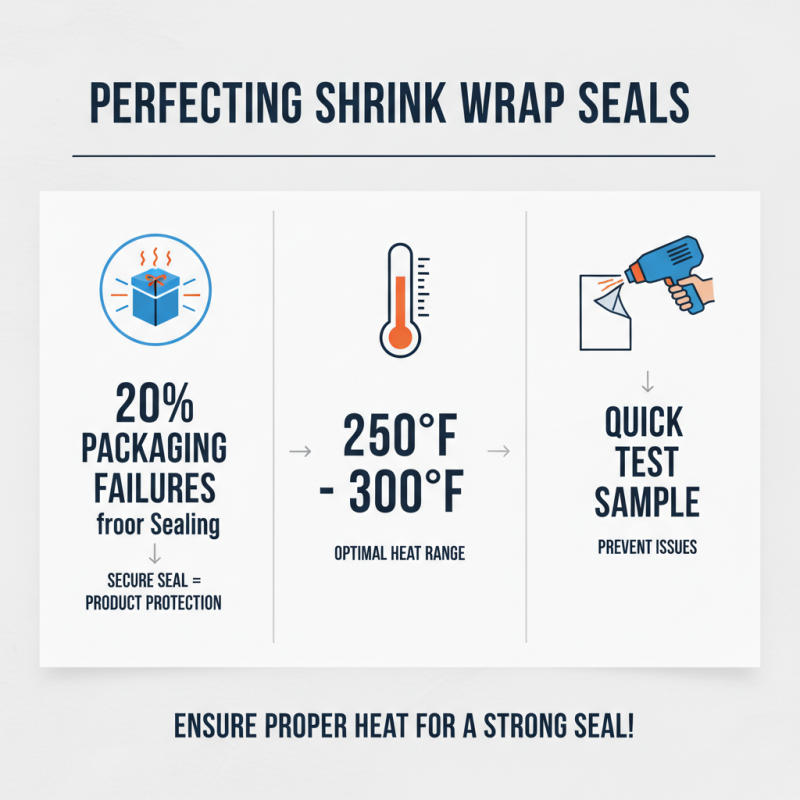
Using plastic shrink wrap effectively requires attention to detail, especially for achieving a secure seal. According to industry reports, more than 20% of packaging failures stem from poor sealing techniques. A strong seal is crucial for protecting products. To improve sealing, ensure the wrap is properly heated. The ideal temperature range is typically between 250°F and 300°F. Conducting a quick test with a sample can prevent common issues.
Preventing wrinkles is another challenge in shrink wrapping. Wrinkles can compromise the appearance and integrity of the package. Data shows that around 15% of shrink-wrapped products are returned due to packaging defects. To minimize wrinkles, use a tool to tighten the wrap before shrinking. Tightening reduces slack and ensures smooth coverage. Additionally, ensure the wrap is not too loose. Loose wrap tends to create folds and creases during the shrinking process.
Regular maintenance of shrink wrap machines also plays a key role. Machines that are not calibrated correctly can lead to inconsistent heating. This can increase the likelihood of wrinkles or weak seals. Studies indicate that 30% of shrink wrap machine failures occur due to lack of proper maintenance. Keeping equipment in optimal condition can significantly reduce mistakes and enhance packaging performance.
Best Practices for Storing and Handling Shrink-Wrapped Items
When using plastic shrink wrap, proper storage and handling are crucial. Many industries report that improper handling can lead to spoilage or damage, impacting profitability. A study by the Flexible Packaging Association indicates that nearly 20% of products shrink-wrapped incorrectly experience quality loss over time. This emphasizes the need for careful consideration during the storage process.
Store shrink-wrapped items in a cool, dry environment. Excess heat can cause the wrap to degrade. Humidity can lead to moisture buildup. Both conditions can ruin the packed products. It is essential to monitor the temperature and humidity levels where shrink-wrapped items are stored. Regular checks help maintain optimal conditions and prevent unnecessary waste.
Handling shrink-wrapped items requires attention to detail. Workers should avoid puncturing the wrap during handling. It's easy to overlook, but this can create exposure and spoilage risks. Consider training staff on handling techniques. Research shows that proper handling training can reduce damage rates by up to 30%. Reflecting on these practices can help in maintaining product integrity over time.