How to Effectively Use Heat Shrink Wrap for Packaging and Protection
Effective packaging and protection are crucial in various industries, and one of the most reliable solutions is using Heat Shrink Wrap. "Heat Shrink Wrap provides a versatile approach to safeguarding products while enhancing their presentation," states John Smith, a respected expert in the packaging industry with over 20 years of experience. His insights shed light on how this technology not only preserves the integrity of items but also elevates their market appeal.
In an era where consumer expectations and environmental considerations are paramount, opting for Heat Shrink Wrap can streamline operations and contribute to sustainability. This unique material conforms perfectly to any shape, ensuring a snug fit that shields your products from dust, moisture, and damage. It's more than just a protective layer; it serves as a marketing tool, demonstrating quality and care in every packaged item.
As businesses strive to optimize their packaging methods, understanding the effective use of Heat Shrink Wrap becomes essential. This guide will delve into practical applications, best practices, and insights to help you harness the full potential of Heat Shrink Wrap in your packaging solutions. By integrating expert knowledge and innovative techniques, you can elevate your packaging strategy to meet both consumer demand and operational efficiency.
Choosing the Right Heat Shrink Wrap for Your Packaging Needs
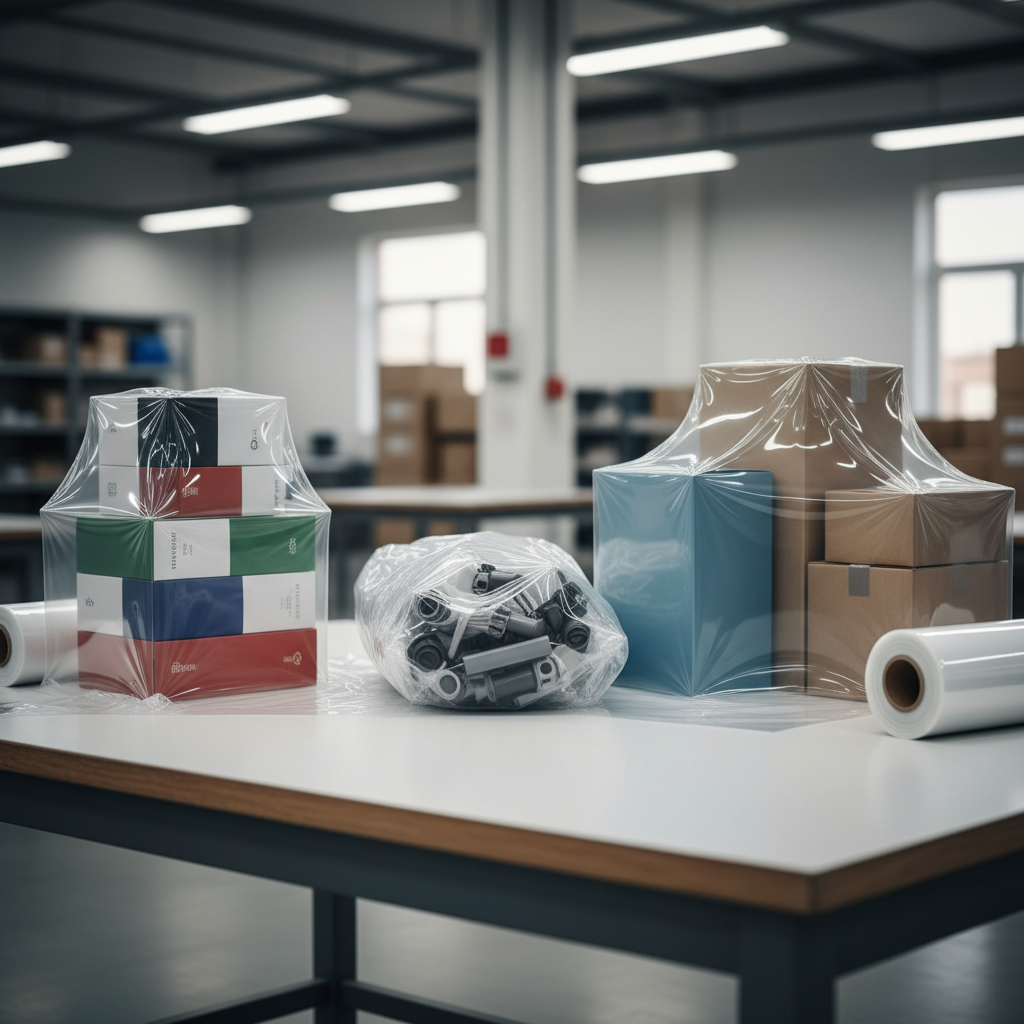
Choosing the right heat shrink wrap for your packaging needs is essential to ensuring that your products are well-protected and presented attractively. One of the primary factors to consider is the type of material used for the heat shrink wrap. Common options include PVC, polyolefin, and polyethylene, each offering different levels of durability, clarity, and flexibility. For instance, polyolefin is often favored for its superior strength and clarity, making it ideal for retail products, while PVC is generally more cost-effective but may not provide the same level of aesthetics.
Another important consideration is the thickness and shrink ratio of the wrap. Thicker films tend to offer better protection against punctures and tears, which is critical for shipping and storage. Additionally, the shrink ratio determines how tightly the wrap will conform to your products. A higher shrink ratio is beneficial for items of irregular shapes, ensuring that the wrap hugs the product closely without excess material. By carefully selecting the right heat shrink wrap based on these factors, businesses can enhance their packaging's effectiveness and ultimately lead to increased customer satisfaction.
Essential Tools for Efficient Heat Shrink Wrapping
When it comes to heat shrink wrapping, having the right tools is essential for achieving efficient and effective packaging. The cornerstone of this process is a reliable heat gun, designed specifically for shrink wrap applications. Unlike a regular hairdryer, a heat gun provides adjustable temperature settings and concentrated heat output, ensuring that the shrink wrap conforms tightly to the item without overheating or causing damage. Investing in a quality heat gun can significantly enhance the overall finish and durability of the wrap.
In addition to a heat gun, other essential tools include scissors or a utility knife for cutting the shrink wrap to size, and a protective surface to work on to avoid any potential damage to the items being wrapped. A roll of shrink wrap material is also crucial; options vary in thickness and clarity, depending on what you are packaging. For larger items, a heat shrink tunnel may be beneficial, allowing for a more automated process. These tools collectively make the heat shrink wrapping process smoother, resulting in a professional appearance and optimum protection for a variety of products.
Step-by-Step Guide to Proper Heat Shrink Wrapping Techniques
Heat shrink wrapping is an invaluable technique for packaging and protecting items, providing a tight, secure, and tamper-proof enclosure. To effectively use heat shrink wrap, start by selecting the appropriate size and type of shrink wrap for your item.
Measure the dimensions of your product carefully to ensure a snug fit while allowing ample material for sealing. Once you have your wrap, place your item within the center, and fold the ends over the package, leaving a bit of extra material on each side to facilitate the sealing process.
Next, prepare your tools for heat application. A heat gun is typically the best choice, as it allows you to control the temperature and direct airflow effectively. Begin by gradually applying heat to one side of the package, ensuring that the shrink wrap begins to contract evenly. Move the heat source around to prevent overheating any one area, which could damage the wrap or the item inside.
Continue this process until the entire package is snug and secure. For added protection, consider using a lightweight cushioning material inside the shrink wrap to prevent damage during transport.
Common Mistakes to Avoid When Using Heat Shrink Wrap
When using heat shrink wrap, avoiding common mistakes can significantly enhance the effectiveness of your packaging efforts. One prevalent mistake is not selecting the right type of shrink wrap for the specific product. According to the Packaging Machinery Manufacturers Institute (PMMI), different materials exhibit varied shrinkage levels and thermal properties, which can impact the integrity of the packaging. For instance, using polyolefin for food items ensures better safety and compliance with FDA regulations, as opposed to PVC, which is less environmentally friendly and poses health risks.
Another critical error is improper application of heat. An industry study published by the Flexible Packaging Association indicated that nearly 30% of packaging failures are attributed to inconsistent heating, which can lead to uneven sealing and compromised protection. It is essential to evenly distribute heat across the wrap while avoiding overheating, which can cause damage to the product and create waste. Investing in proper training and equipment can help minimize these errors, ultimately leading to more secure and cost-effective packaging solutions.
How to Effectively Use Heat Shrink Wrap for Packaging and Protection - Common Mistakes to Avoid When Using Heat Shrink Wrap
| Mistake |
Description |
Tips to Avoid |
| Choosing Incorrect Size |
Using shrink wrap that is too small or too large for the item can lead to poor packaging. |
Measure items before purchasing shrink wrap to ensure a proper fit. |
| Insufficient Heating |
Not applying enough heat can result in loose or wrinkled wrapping. |
Use a heat gun and slowly move it around the surface for even distribution. |
| Not Allowing for Ventilation |
Sealing items without ventilation can trap moisture and cause damage. |
Ensure items are dry before wrapping and consider vent holes for bulky items. |
| Using Too Much Heat |
Excessive heat can cause shrink wrap to burn or damage products. |
Start with a lower setting and gradually increase as needed. |
| Neglecting Surface Preparation |
Failure to clean surfaces can lead to adhesion problems. |
Wipe down items with a clean cloth before wrapping. |
Tips for Storing and Maintaining Heat Shrink Wrap Supplies
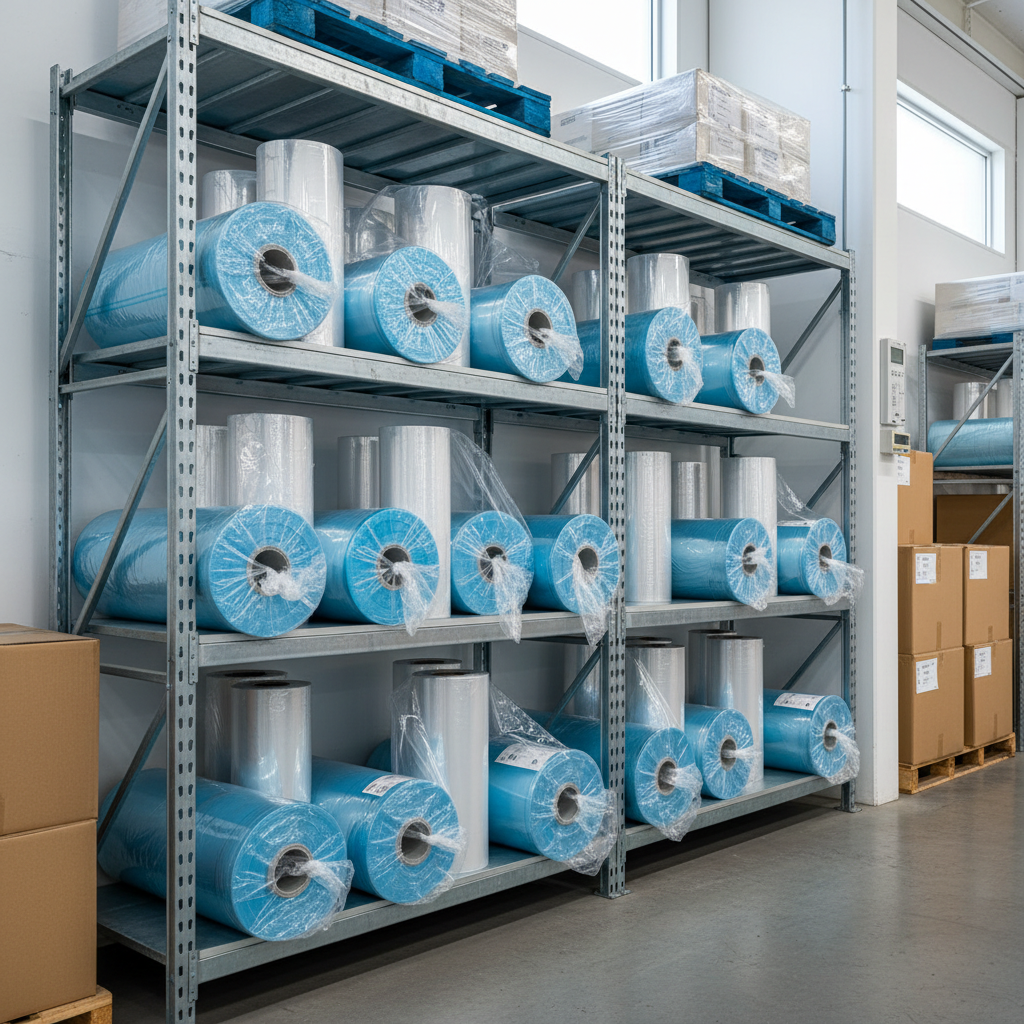
When it comes to using heat shrink wrap for packaging and protection, proper storage and maintenance of your supplies are crucial to ensure optimal performance. To prolong the lifespan of your heat shrink materials, store them in a cool, dry place away from direct sunlight or extreme temperatures. Excessive heat can compromise the integrity of the shrink wrap, leading to brittleness or loss of elasticity. It's advisable to keep the rolls sealed in their original packaging until they are ready to be used, preventing dust and contaminants from affecting their quality.
Additionally, routinely inspect your heat shrink wrap supplies for any signs of damage or wear. Look for creases, rips, or discoloration, as these can hinder the effective sealing and protection capabilities of the wrap. Organizing your supplies by size and type can also streamline your workflow, making it easier to find what you need when you need it. By following these simple storage and maintenance tips, you can ensure that your heat shrink wrap remains effective and ready for use at any time.