How to Use Cross-Linked Shrink Film Effectively?
Cross-Linked Shrink Film is a versatile material widely used in packaging. Its unique properties offer excellent durability and a tight seal. Many industries rely on it for protecting products during storage and shipping. However, using it effectively requires some knowledge and practice.
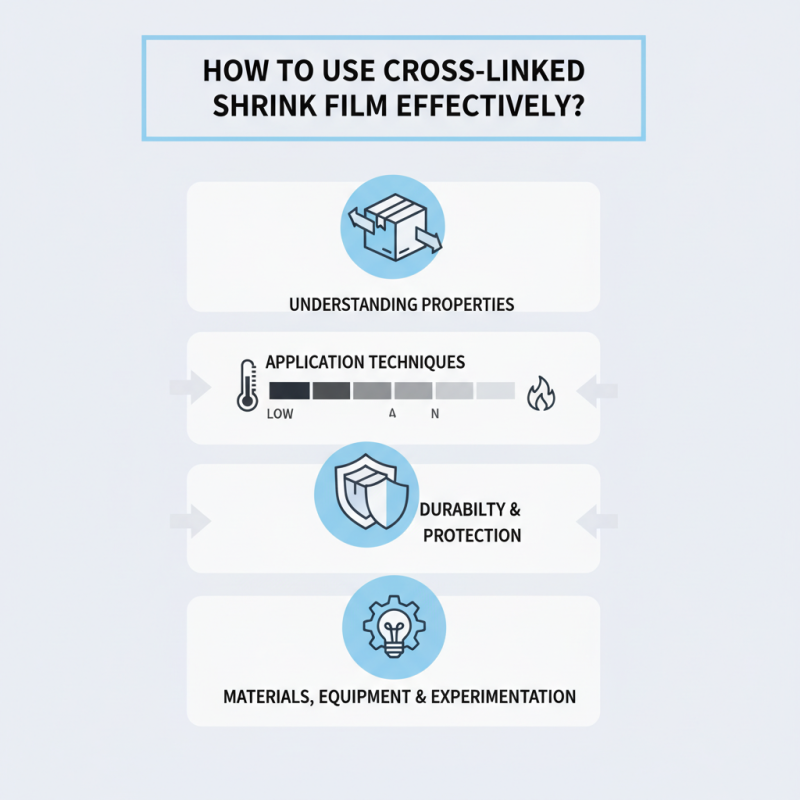
Understanding how to maximize the benefits of Cross-Linked Shrink Film can lead to superior results. It's crucial to master the application techniques to prevent waste. Many people overlook the specifics, leading to unsatisfactory results. For example, incorrect heat settings can cause uneven shrinkage, making products look unprofessional.
To achieve the best outcomes, consider the materials and equipment involved. Certain films work better with specific products. Knowing this can save time and resources. The key lies in following guidelines while experimenting to find the right balance. Mistakes can be learning opportunities, so don’t be discouraged. Embrace the journey to becoming skilled in using Cross-Linked Shrink Film.
Introduction to Cross-Linked Shrink Film and Its Benefits
Cross-linked shrink film is emerging as a game changer in packaging. This film is made from a special polymer that, when heated, shrinks tightly around the product. The market for shrink film is projected to reach $11.45 billion by 2025, driven by its widespread use in various industries. Its flexibility and durability make it suitable for packaging food, consumer goods, and pharmaceuticals.
One of the standout benefits of cross-linked shrink film is its ability to withstand high temperatures. Reports show that it can endure temperatures up to 200°C without losing its integrity. This characteristic is vital in applications requiring sterilization or the maintenance of product integrity during transport. In a time when packaging waste is under scrutiny, this film can also offer superior protection, reducing the risk of damage and waste. Yet, achieving the right balance in production can be challenging.
However, the technology behind cross-linked shrink film isn't flawless. Some users report issues with adhesion during application, which can lead to waste. Inconsistent results can occur if the film isn't applied correctly or if the heat source varies. With improvements in application methods, these issues could be mitigated, enhancing efficiency. Understanding these facets is key for manufacturers aiming for sustainable growth in packaging.
Understanding the Different Types of Cross-Linked Shrink Film
When exploring cross-linked shrink film, it's essential to recognize the different types available. These films are produced through processes that enhance their properties. The two main categories are irradiated and chemical cross-linked types. Each type has unique characteristics and applications.
Irradiated shrink film undergoes a radiation process that alters its molecular structure. This results in strong, durable film that performs well in various conditions. It is resistant to tears and punctures. However, it can be overkill for some products. Users need to think creatively about when to use this film.
Meanwhile, chemical cross-linked films rely on additives. These films are easier to work with and often come in different thicknesses. They may lack the same strength as irradiated films but can be sufficient for less demanding applications. Producers must assess product requirements carefully. Choosing the wrong type can lead to packaging failure. Insights and experimenting are essential for making the best decision.
Step-by-Step Guide to Preparing for Shrink Film Packaging
When preparing for shrink film packaging, it’s crucial to start with the right materials. Choose quality cross-linked shrink film that matches your product's needs. This film has unique properties that allow it to shrink tightly and evenly when heat is applied. The right gauge is vital; thicker films offer durability, while thinner ones provide clarity.
Ensure your workspace is clean and organized. Gather tools like heat guns or ovens. Misplacing items can lead to delays. Measure your products accurately and cut the film according to size. However, don’t be afraid to experiment with the cuts. Inconsistent sizing can result in trials, leading to learning opportunities.
Testing is essential. Heat settings may vary, requiring adjustments. It’s okay to face issues like uneven shrinkage or wrinkling. Document these setbacks. Reflecting on what went wrong can help refine your process. Practice ensures improvement, and every attempt leads to a more efficient packing method.
Techniques for Applying Cross-Linked Shrink Film Effectively
When using cross-linked shrink film, proper application techniques make a significant difference. The film must be heated evenly for optimal shrinkage. Uneven heating creates wrinkles, which can ruin the aesthetic of your packaging. Utilize a heat gun or shrink tunnel for best results. Watch for signs of overheating, as this can lead to burns or damaged products.
Tips: Always test your heat settings on a small sample first. This helps you find the perfect temperature for your specific film type. A test run prevents costly mistakes later.
Another important technique is to ensure proper film size. A film that is too tight can cause tearing during the shrinking process. Conversely, a film that is too loose may not provide sufficient protection. Measure products carefully before cutting the film.
Tips: Keep a measuring tape handy. Accurate measurements save time and materials. Adjust your technique as necessary based on the product shape and size. Learning from your early attempts will refine your process.
Common Mistakes to Avoid When Using Shrink Film
When using cross-linked shrink film, it’s crucial to avoid common pitfalls. A frequent mistake is not properly preheating the film. Preheating ensures that the film shrinks evenly, providing a better look and fit. If you skip this step, the edges may remain loose. This can lead to unprofessional packaging that doesn’t protect the item well.
Another common error is using the wrong temperature settings. Each film has specific temperature requirements for shrinking. If the heat is too low, the film won't shrink enough. Too high, and it could burn. Always check the manufacturer’s guidelines before proceeding. Not doing so can result in wasted materials and time.
Many users struggle with the size of the film. Using a film that is too large can cause wrinkles and uneven shrinkage. On the other hand, a film that is too small won’t cover the product properly. It's essential to measure accurately. Mistakes in sizing can lead to additional costs and frustrations.