Ultimate Tips for Using Shrink Wrap Effectively?
Shrink Wrap is a versatile packaging solution used in various industries. It offers protection from moisture, dust, and physical damage. According to a report by MarketsandMarkets, the global shrink wrap market is projected to reach $9 billion by 2025. This growth reflects the increasing demand for efficient packaging methods across sectors.
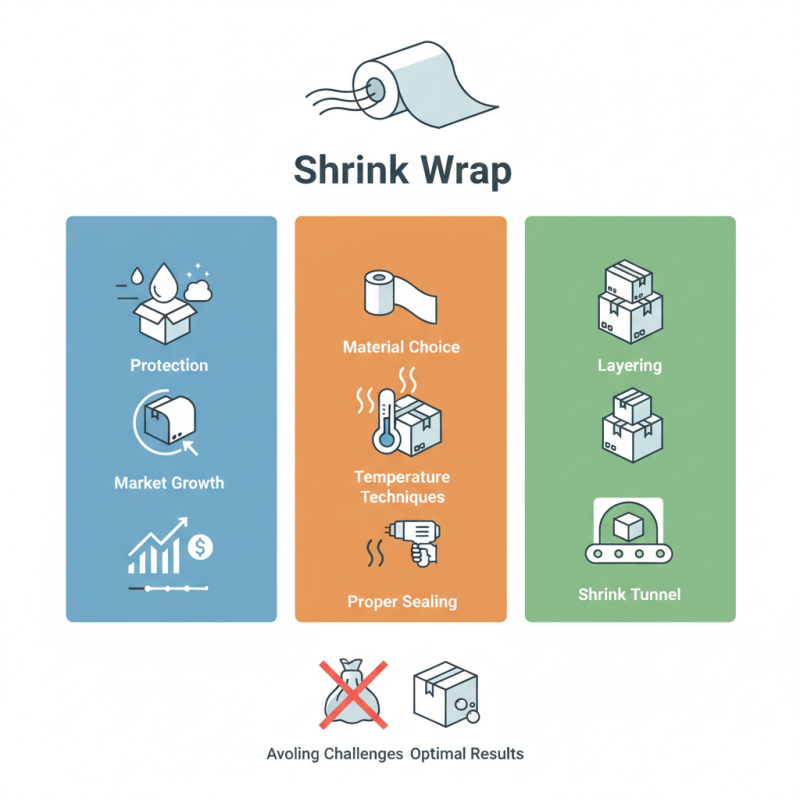
Using shrink wrap effectively requires understanding its properties. The right choice of material can make a significant difference. For example, polyolefin shrink film is known for its durability and clarity. Yet, many users underestimate the importance of temperature control during the shrinking process. Improper heat can lead to unsatisfactory seals, ultimately affecting product integrity.
Additionally, practicing techniques such as layering and proper sealing is essential. Some may overlook the benefits of using a shrink tunnel, leading to inconsistent results. While shrink wrap can perform wonders, user experience varies widely. Challenges like air pockets or uneven wrapping can arise. Reflecting on these aspects can help optimize the use of shrink wrap for everyone involved.
Understanding Shrink Wrap and Its Applications
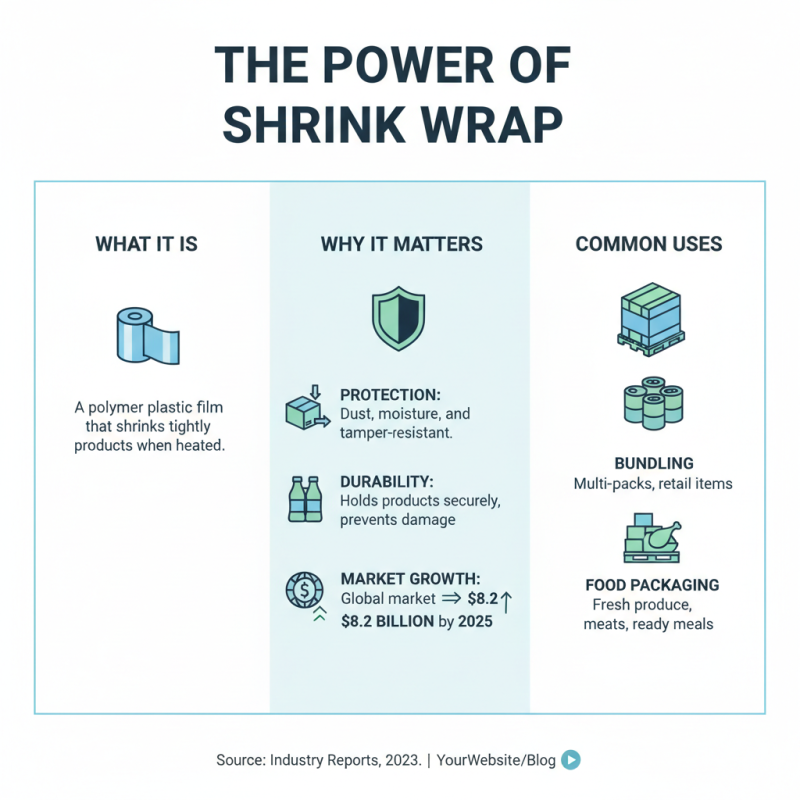
Shrink wrap is a versatile packaging solution widely used across various industries. It offers protection and durability. According to industry reports, the global shrink wrap market is expected to reach USD 8.2 billion by 2025, indicating its growing importance in packaging. This material is commonly used for bundling products, palletizing items, and even in food packaging. Understanding how shrink wrap works can enhance effectiveness.
For effective shrink wrap usage, consider the environment and specific applications. Always select the appropriate thickness and type based on the product's needs. Thicker wraps endure more stress. In contrast, thinner ones reduce material costs. Using the right shrink wrap machine can also greatly improve efficiency.
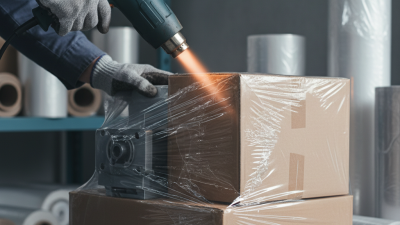
When applying shrink wrap, ensure the surface is clean and dry. This simple step can prevent issues like air bubbles and poor adhesion. Additionally, using a heat gun evenly will yield better results. Aim for a consistent shrinkage across the product. In some cases, people rush through this process, leading to wasted materials. Evaluate your method continually for improvement.
Choosing the Right Type of Shrink Wrap for Your Project
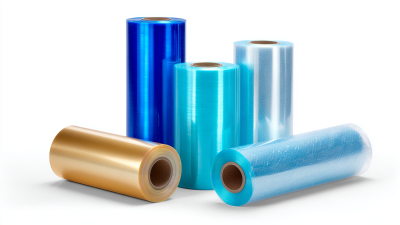
Choosing the right type of shrink wrap is crucial for any project. Different materials serve various purposes. Polyolefin is popular for food packaging. It is known for its durability and clarity. Polyethylene offers excellent moisture barrier properties. It's often used in pallet wrapping. Each type has its unique attributes, affecting cost and application.
Industry reports show that shrink wrap usage has risen by 25% in retail packaging. This increase highlights its effectiveness. However, not all shrink wraps are created equal. Some may not withstand high temperatures. Others may tear easily. These factors can impact product integrity during shipping. Understanding the specific needs of your project is essential.
Consider the environment too. Some shrink wraps are recyclable, while others are not. Eco-friendly options are gaining traction. Market research indicates that 60% of consumers prefer sustainable packaging. This shift challenges businesses to adapt. Often, switching to more sustainable options can lead to increased costs. Balancing quality, cost, and environmental impact is an ongoing dilemma for many.
Ultimate Tips for Using Shrink Wrap Effectively: Choosing the Right Type of Shrink Wrap for Your Project
| Shrink Wrap Type |
Best Usage Scenario |
Thickness (Microns) |
Temperature Resistance (°F) |
Key Benefits |
| PVC Shrink Wrap |
General packaging, retail |
40-75 |
-20 to 180 |
Clarity, durability |
| Polyolefin Shrink Wrap |
Food packaging, retail |
15-50 |
-40 to 190 |
Eco-friendly, strong seal |
| LDPE Shrink Wrap |
General wrapping, bundling |
30-100 |
-20 to 150 |
Cost-effective, lightweight |
| Polyester Shrink Wrap |
Industrial use, heavy-duty packing |
75-250 |
-30 to 220 |
Tear resistance, high clarity |
Essential Tools and Equipment for Effective Shrink Wrapping
When preparing for shrink wrapping, having the right tools is crucial. The most basic tool required is a heat gun. It helps apply the right amount of heat evenly across the shrink wrap. A hand-held sealers can also be beneficial. These tools create sealed ends, preventing air bubbles from ruining your project. You may also need cutting tools. Sharp blades can make clean cuts, ensuring your wrap fits snugly around the item.
Additionally, using a work surface can enhance your efficiency. A sturdy table prevents movement while you work. Some people opt for a shrink wrap machine for larger projects. These machines streamline the process, making it easier to achieve consistent results. It's also worth considering a roll of shrink film. Ensure the film is suitable for the items being wrapped, as thickness can vary. Investing in quality film can make a difference.
However, not every attempt will be flawless. It takes practice to master the technique. There may be times when the wrap doesn’t seal correctly or wrinkles appear. Reflecting on these moments is useful. Each project can teach valuable lessons for next time. Embrace these challenges and adjust your methods accordingly for better outcomes.
Step-by-Step Guide to Shrink Wrapping Techniques
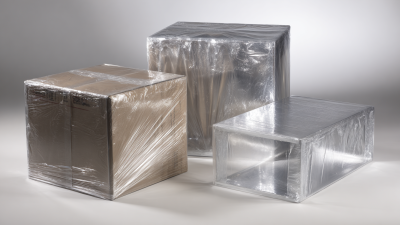
Shrink wrapping is a great way to protect items. It's often used for packaging and storage. This guide walks you through the essential shrink wrapping techniques.
Start by gathering your materials. You'll need shrink wrap film, a heat source, and scissors. Cut the film to a size that covers your item completely. It should be about two inches larger on all sides. Place the item in the center of the film.
Next, start sealing the film. Tuck the edges under the item. Ensure there are no gaps. Use a heat gun to shrink the film evenly. Keep the heat moving to avoid melting spots. Overheating can ruin the wrap. If you're not satisfied with the results, try again. Practice makes perfect in shrink wrapping.
Ultimate Tips for Using Shrink Wrap Effectively
Common Mistakes to Avoid When Using Shrink Wrap
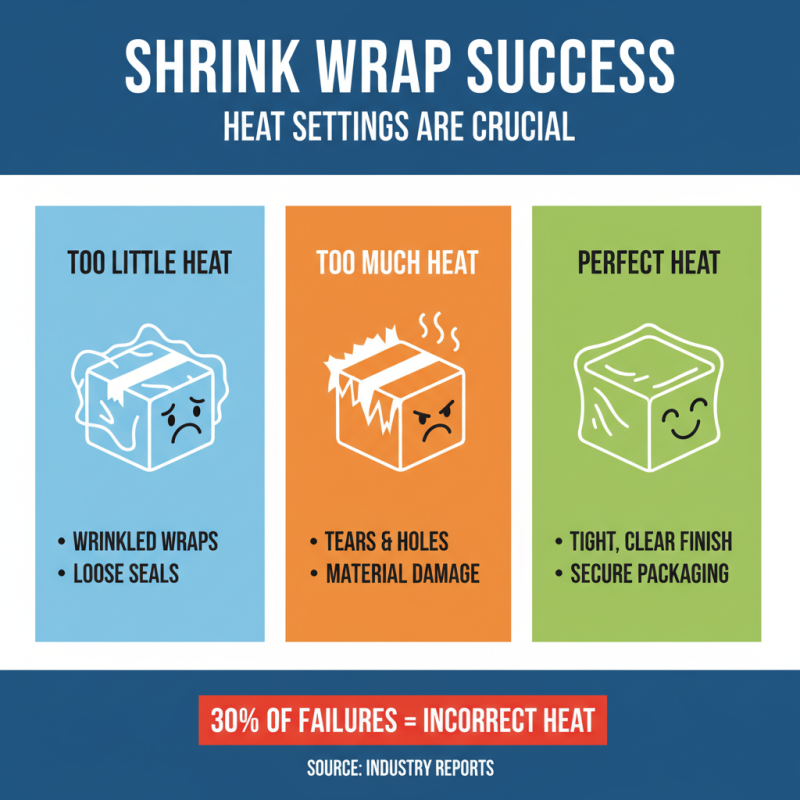
When using shrink wrap, avoiding common mistakes is crucial. Many users overlook the importance of proper heat settings. Insufficient heat can lead to wrinkled or loose wraps. Conversely, excessive heat may cause tears. According to industry reports, 30% of shrink wrap failures stem from incorrect heat application. Users often underestimate the material's temperature requirements.
Another frequent error is neglecting surface preparation. Dirt, grease, or moisture can affect adherence. In fact, nearly 25% of wrapping issues occur due to poor surface conditions. Ensuring that items are clean and dry is essential for optimal results.
Tip: Invest in a quality heat gun to ensure even heating. This tool allows for precise temperature control. Also, test the settings on scrap material first. It helps avoid waste and ensures perfect wraps. Creating a checklist before beginning wrapped projects can also reduce mistakes. Pay attention to details, and continually evaluate your methods. This practice leads to better outcomes over time.