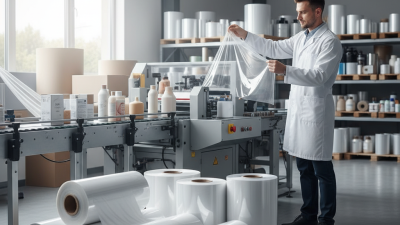
What is Cross-Linked Shrink Film and How is it Used?
Cross-Linked Shrink Film is a versatile packaging material. It plays a significant role in various industries. This film offers distinct advantages for both manufacturers and consumers.
Made through a special process, Cross-Linked Shrink Film bonds the material at a molecular level. This increases durability and strength. It shrinks when heat is applied, creating a tight seal. This feature makes it ideal for protecting products during shipping and storage.
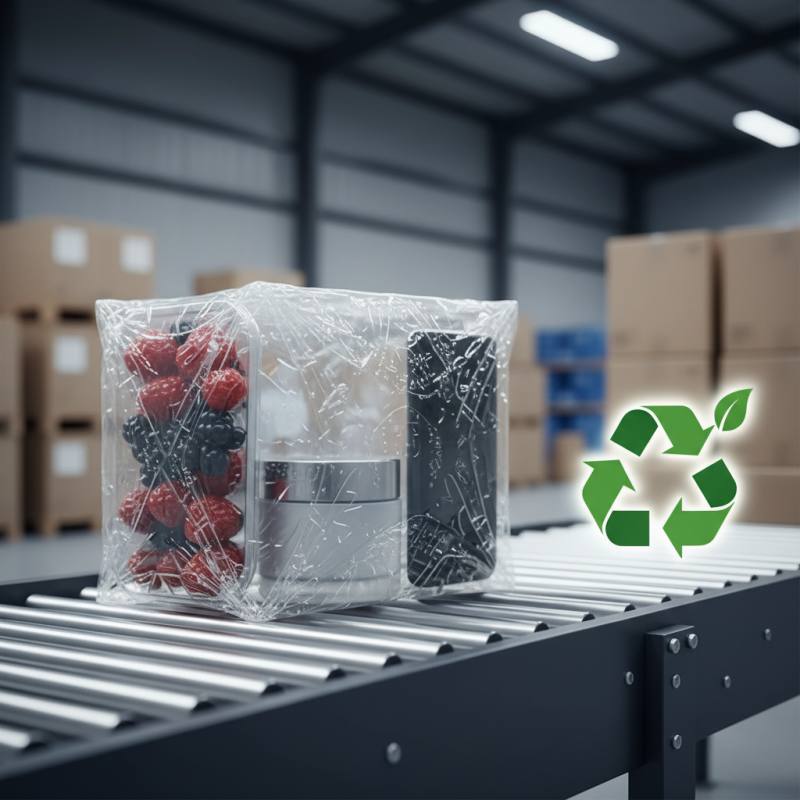
Many businesses use Cross-Linked Shrink Film for packaging. It is common in food, cosmetics, and electronics. The film enhances product presentation and provides tamper evidence. However, some may overlook its environmental impact. Being aware of its life cycle is essential. Thus, while Cross-Linked Shrink Film is effective, consideration for sustainability is necessary.
What is Cross-Linked Shrink Film?
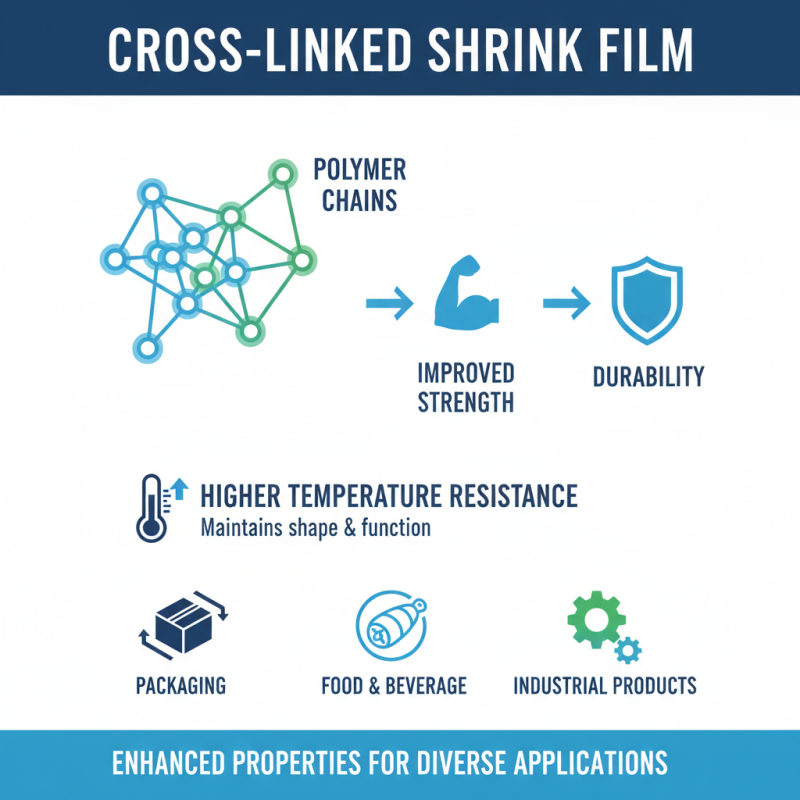
Cross-linked shrink film is a type of polymer film that undergoes a unique process to enhance its properties. The cross-linking process involves chemically bonding the polymer chains. This results in a film that has improved strength and durability. It can withstand higher temperatures without losing shape or function. Many industries use this film for packaging various products.
One of the key features of cross-linked shrink film is its ability to shrink tightly around the product when heat is applied. This creates a secure and protective barrier. It is often used for packaging items like food, electronics, and personal care products. However, working with this material can be tricky. Achieving the right balance of heat and time is essential. Too much heat can lead to damaging the film.
The film’s versatility is impressive, but it also has its downsides. For instance, it can be more expensive than other types of packaging films. This cost can be a concern for businesses aiming to keep expenses low. Additionally, the environmental impact of cross-linked films is a growing issue. While they offer durability, recycling options may be limited. Finding sustainable solutions will be vital for the future.
The Manufacturing Process of Cross-Linked Shrink Film
The manufacturing process of cross-linked shrink film involves several intricate steps. Initially, a polymer is selected for its unique properties. A common choice is polyethylene. This polymer undergoes a cross-linking process, where chains of molecules are chemically bonded. This bonding enhances the strength and durability of the film.
After the cross-linking, the film is extruded, a process where heated material is forced through a shape. The extrusion begins to form the desired thickness. According to industry reports, the global market for shrink films is expected to grow at approximately 4.5% annually until 2026. This growth reflects the increasing demand across packaging sectors, including food and pharmaceuticals.
Next, the film is subjected to heat treatment. This step helps establish its shrink characteristics. The film shrinks when heat is applied, resulting in a tight fit over products. However, there are challenges in this process. Not all films maintain consistent shrinkage rates. Quality control can become an issue. Proper measurements and adjustments are crucial. Ensuring that every batch meets specifications requires vigilant monitoring throughout production.
Key Properties and Benefits of Cross-Linked Shrink Film
Cross-linked shrink film is a versatile packaging solution. It is known for its durability and flexibility. This film undergoes a special process that enhances its properties. It shrinks tightly around products when heat is applied. This creates a secure and tamper-evident seal. The film doesn't tear easily, making it suitable for various applications.
One of the key benefits of cross-linked shrink film is its excellent resistance to punctures and tears. This property ensures that products remain protected during shipping and handling. Additionally, the film offers clarity, allowing the packaged items to be displayed attractively. However, not all applications may benefit from its use. In some cases, the cost may be a concern for businesses on a tight budget. Balancing quality and expense is a challenge worth considering.
The film is also resistant to chemicals and moisture. This makes it ideal for items exposed to different environments. While it offers many advantages, businesses should evaluate each project individually. Some products might be better suited for alternative packaging options. Understanding the specific needs of the product is essential in making the right choice.
What is Cross-Linked Shrink Film and How is it Used? - Key Properties and Benefits of Cross-Linked Shrink Film
| Property |
Description |
Benefits |
| Heat Resistance |
Can withstand high temperatures without deformation. |
Increased durability in differing environmental conditions. |
| Tensile Strength |
Offers high resistance to tearing and breaking. |
Enhanced protection for packaged items. |
| Clarity |
Transparent material allows visibility of packaged products. |
Attractive presentation of products, boosting sales appeal. |
| Shrink Ratio |
Can shrink 50% or more from its original size. |
Customizable fits for various product shapes and sizes. |
| Chemical Resistance |
Resistant to a range of chemicals and solvents. |
Ideal for use in industrial and retail packaging. |
| Environmentally Friendly Options |
Available in recyclable materials. |
Contributes to sustainability efforts in packaging. |
Common Applications of Cross-Linked Shrink Film
Cross-linked shrink film is a versatile material widely used in packaging. Its unique properties make it ideal for various applications. According to recent industry research, the global shrink film market was valued at approximately $8 billion in 2022. This market is expected to grow at a compound annual growth rate (CAGR) of 4.5% through 2030.
One common application is in food packaging. Cross-linked films are effective in preserving freshness and extending shelf life. They create a tight seal that prevents moisture loss and contamination. In the retail industry, these films are used for bundling products. This method not only enhances visual appeal but also provides added protection during transport. Data indicates that about 25% of shrink film usage is in food and beverage packaging, highlighting its importance in this sector.
Another key application is in the pharmaceutical industry. Cross-linked shrink films ensure the integrity of sensitive medical products. They offer resistance to temperature fluctuations and physical impact. However, challenges exist in recycling these materials. While they are suitable for both primary and secondary packaging, end-of-life options remain limited. A closer look at sustainability practices in the industry reveals room for improvement in this area. The growth in demand raises questions about the environmental impact of cross-linked shrink films. Addressing these concerns is essential as the market continues to expand.
Common Applications of Cross-Linked Shrink Film
Comparison with Other Types of Shrink Films
When comparing cross-linked shrink film with other types, the differences become clear. Cross-linked film is known for its durability. It retains its shape even under intense heat. This enhances its protective features. In contrast, regular shrink films often lose integrity in similar conditions. They may tear or wrinkle easily. Such issues can lead to product damage.
Another point of comparison lies in flexibility. Cross-linked films provide more adaptability in various applications. They can conform to complex shapes better than standard films. This is essential for products with intricate designs or irregular shapes. However, some may find the handling of cross-linked films a bit challenging. It can be less forgiving during the sealing process. Misalignment may occur, resulting in wasted materials and increased costs.
Cost is another factor to consider. Cross-linked shrink film can be more expensive than its counterparts. For large-scale operations, this might be a barrier. Yet, the long-term benefits often outweigh the initial costs. It’s essential to evaluate specific needs before making a choice. The right film can enhance both aesthetics and protection, leading to improved customer satisfaction. Choosing the wrong type, however, may result in undesirable outcomes that require reevaluation.