How to Choose the Right Shrink Wrap for Your Business?
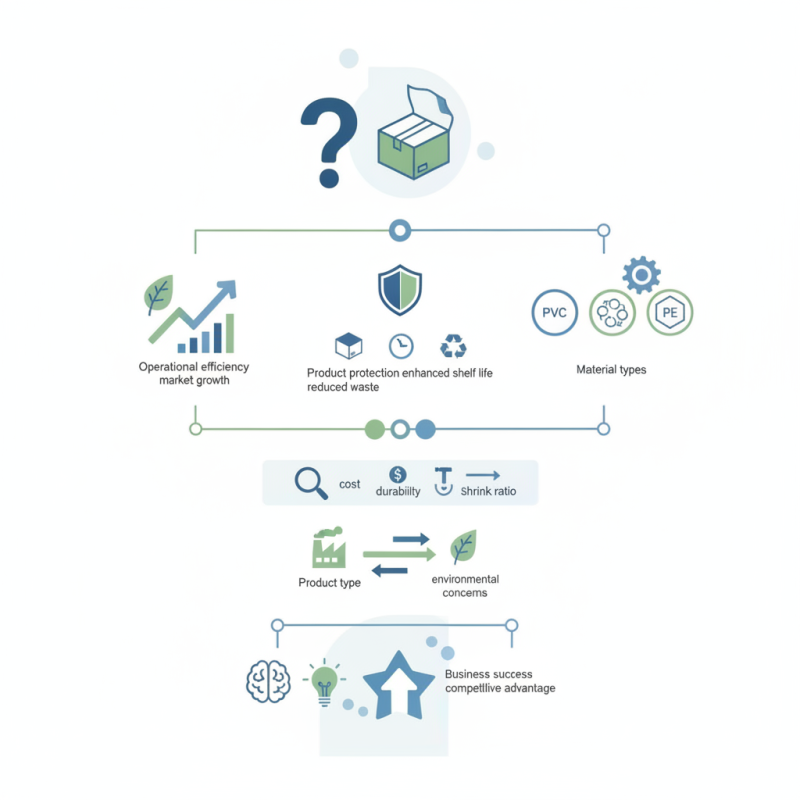
Choosing the right shrink wrap for your business can significantly impact operational efficiency. According to recent industry reports, the global shrink wrap market is projected to reach $13.1 billion by 2027, emphasizing its importance across various sectors. Shrink wrap is vital for protecting products, enhancing shelf life, and reducing packaging waste.
However, selecting the appropriate type of shrink wrap requires careful consideration. Various materials, such as PVC, Polyolefin, and PE, each have unique characteristics. The wrong choice can lead to product damage or increased costs. Businesses must evaluate their specific needs, including the product type and environmental concerns.
Evaluating shrink wrap options can be challenging. Factors like cost, durability, and shrink ratio need thorough assessment. Understanding these details is essential for making informed decisions. Proper research and expert guidance are crucial for successful shrink wrap application, ensuring your business stands out in the competitive market.
Understanding Different Types of Shrink Wrap and Their Applications
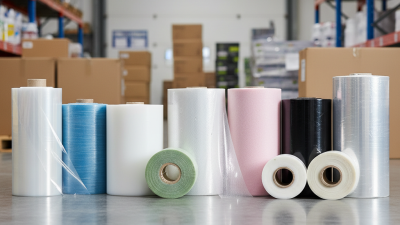
When selecting shrink wrap for your business, understanding the various types available is crucial. The most common types include centerfold, flat, and tubular shrink wraps. Each type serves specific needs, so businesses should assess their products carefully. Centerfold shrink wrap is ideal for larger items, allowing for a snug fit. Tubular shrink wrap, on the other hand, works well for odd-shaped products.
Aside from the type, thickness matters too. Thicker wraps provide greater durability but may be harder to handle. Businesses often strive for a balance, choosing a thickness that offers protection without sacrificing usability. Consider your product's shape and size carefully. This attentiveness can prevent wasting time and resources on unsuitable shrink wraps.
However, choosing shrink wrap is not always straightforward. Many businesses face challenges in finding the right fit. Misjudgment in material can lead to packaging failures. It’s essential to continually evaluate the effectiveness of your shrink-wrapping choices. Test different types and gather feedback on their performance to improve your selection process.
How to Choose the Right Shrink Wrap for Your Business? - Understanding Different Types of Shrink Wrap and Their Applications
| Shrink Wrap Type |
Thickness |
Application |
Heat Source |
Pros |
Cons |
| PVC Shrink Wrap |
50-150 microns |
Packaging products, retail items |
Heat gun, shrink tunnel |
Cost-effective, clarity |
Not eco-friendly |
| PE Shrink Wrap |
75-150 microns |
Construction, bundling products |
Heat gun, shrink tunnel |
Strong and reliable |
Less clarity than PVC |
| POF Shrink Wrap |
15-30 microns |
Food packaging, DVDs |
Heat gun, shrink tunnel |
Eco-friendly, strong |
Higher cost |
| Cross-Linked Polyethylene (XPE) |
150-300 microns |
Industrial applications, heavy items |
Heat tunnel |
Amazing strength, rugged |
More expensive |
Evaluating Shrink Wrap Materials Based on Environmental Impact and Cost
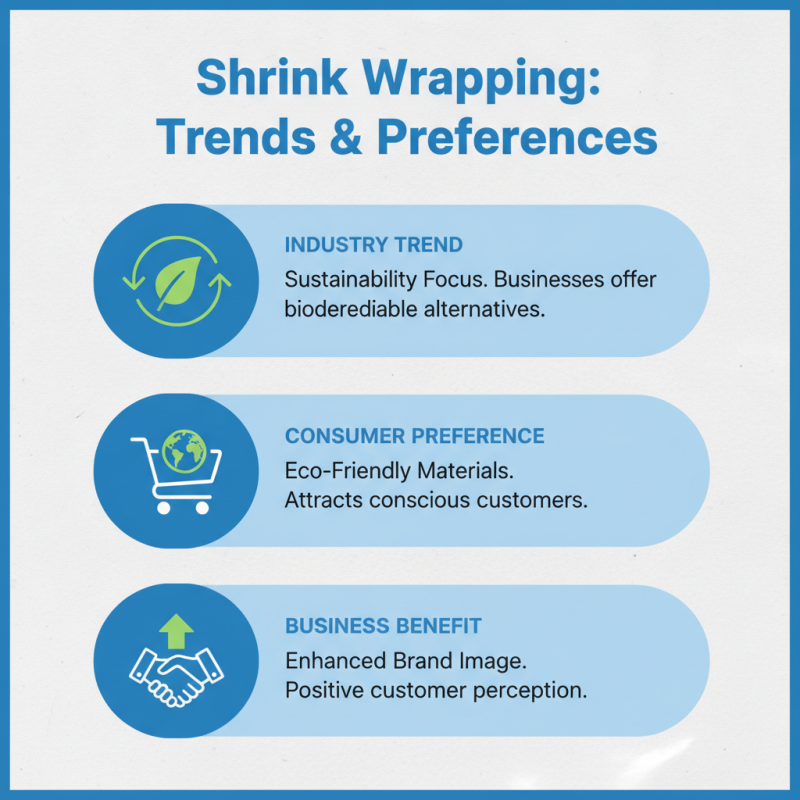
Choosing the right shrink wrap requires careful consideration of both environmental impact and cost. Not all materials are equal. Polyethylene, while affordable, often contributes to landfill waste. In contrast, biodegradable options can be more costly but are better for the planet. Businesses must weigh these factors based on their values and budget.
Evaluating your options is essential. Research the production processes of different materials. Some may contain harmful chemicals that can affect the environment negatively. Additionally, consider the longevity of your shrink wrap. A more durable product can reduce waste over time, even if it has a higher initial cost.
It's crucial to reflect on your choices. How does your packaging affect your brand’s image? Investing in sustainable materials can enhance your company's reputation. Yet, embracing greener options is not without challenges. Balancing cost and ecological responsibility can be difficult. Companies may need to navigate financial constraints while striving for greener alternatives.
Identifying the Right Specifications for Your Shrink Wrap Needs
Choosing the right shrink wrap for your business involves understanding specific needs. Key specifications include the type of material, thickness, and size. If your products vary in shape, consider flexible options to ensure complete coverage. The right shrink wrap must provide durability while staying cost-effective.
Tips: Assess the environment where your products will be stored. Will they face extreme temperatures or humidity? Such factors should guide your choice.
Another essential specification is the sealing method. Some wraps require heat sealers, while others use manual sealing. Analyze your production line to determine the most efficient method.
Tips: Don't overlook the user-friendliness of the shrink wrap. Can your team easily handle it without specialized equipment? Simple solutions often save time and reduce errors. Always think about your operational workflow when making a decision.
Analyzing the Role of Shrink Wrap in Supply Chain Efficiency and Protection
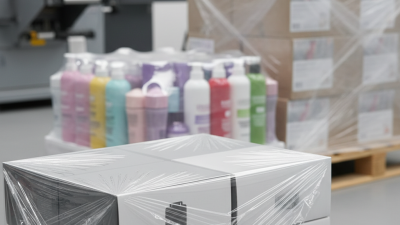
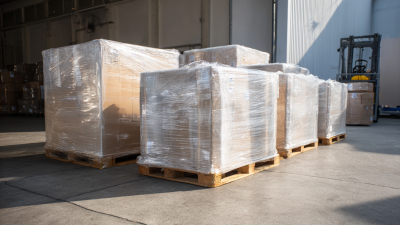
Shrink wrap plays a crucial role in supply chain efficiency and protection. It provides a secure barrier against environmental factors like moisture and dust. When products are well-wrapped, they arrive at their destinations intact. This reduces losses and returns, ultimately saving costs.
Choosing the right shrink wrap involves understanding specific needs. Different products require different materials and thicknesses. For example, heavy items may need thicker films for better support. In contrast, lighter products may be adequately protected with thinner wraps. Assessing your product's nature is key to effective packaging.
Additionally, businesses must consider the sustainability of their choices. Many shrink wrap options are recyclable or biodegradable. Balancing cost-effectiveness with environmental responsibility is becoming crucial. This reflection on packaging choices can lead to smarter, more efficient supply chains.
Distribution of Shrink Wrap Usage by Industry