How to Choose the Best Shrink Wrap Roll for Your Needs?
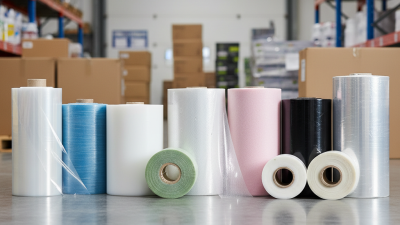
Choosing the right Shrink Wrap Roll is crucial for effective packaging. Whether you are a small business owner or an individual seeking protection for items, understanding your options is key. Shrink wrap rolls vary in material, thickness, and size, which can influence your final decision.
When selecting a Shrink Wrap Roll, consider the specific needs of your project. For instance, thicker rolls may provide better durability for heavy items, while thinner options might be better for smaller products. It’s essential to think about the purpose of your shrink wrapping. Are you looking to enhance presentation, provide protection, or both?
Not all shrink wrap is created equal. You may find yourself overwhelmed by the choices available. Some brands may promise quality yet fail to deliver, leading to wasted time and resources. Take the time to research user reviews and professional recommendations. Ultimately, finding the best Shrink Wrap Roll involves balancing quality, performance, and cost-effectiveness. This decision can make a significant difference in your packaging efficiency.
Understanding Different Types of Shrink Wrap and Their Applications
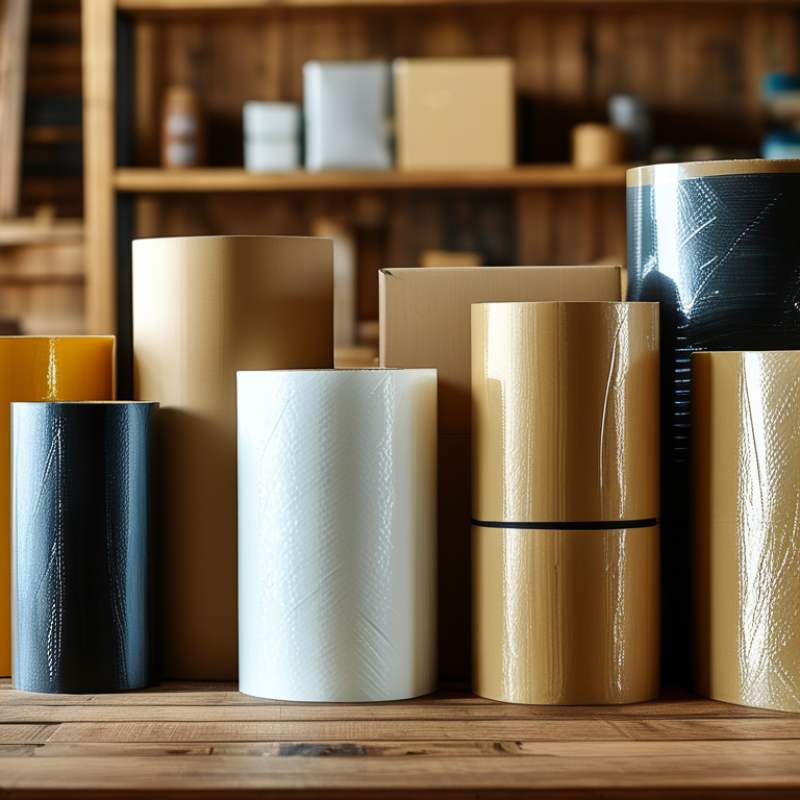
Shrink wrap comes in various types, each designed for specific applications. Polyethylene stretch film is common in industrial settings. It’s affordable and provides good protection against moisture and dirt. However, it may not offer the best durability for long-term storage. Polyolefin shrink wrap is often preferred for its strength and clarity. It’s versatile, suitable for food packaging and electronics.
There are also specialty shrink films. PVC shrink wrap is effective for retail packaging. It clings tightly to products, creating a neat appearance. But the environmental impact of PVC is a concern for many. Another option is biodegradable shrink wrap, which breaks down over time. While innovative, it may not perform as well as traditional options in some settings.
Choosing the right shrink wrap requires careful consideration. Factors include the type of product being wrapped and storage conditions. A clear understanding of these materials can enhance your packaging strategy. Awareness of their limitations is crucial too. Reflecting on each option can lead to better decisions tailored to your needs.
Factors to Consider When Choosing Shrink Wrap Thickness and Size
When choosing shrink wrap, thickness and size are critical factors. The thickness of the wrap affects both its durability and flexibility. Common thicknesses are measured in mils. A thicker wrap provides added protection against punctures and tears. Yet, excessive thickness can make the wrap less manageable. It’s essential to strike a balance based on the intended use. For general packaging, a thickness of 60 to 80 microns often suffices.
Size is another key consideration. The width of the shrink wrap roll must match your packaging needs. Consider the dimensions of the items to be wrapped. If the roll is too narrow, it may not cover the product entirely. Conversely, using a roll that's too wide can lead to waste. Additionally, keep in mind the shrinkage rate. Various materials have different rates of shrinkage, impacting the final appearance. Always test the roll on sample products to ensure compatibility. Many people overlook this step, impacting their results.
Comparing Shrink Wrap Materials: PVC, Polyolefin, and PE
When considering shrink wrap materials, PVC, Polyolefin, and PE each have distinct advantages. PVC is known for its durability and clarity, making it ideal for retail packaging. According to a report by Smithers Pira, PVC holds a significant market share due to its low cost and excellent shrinkage memory. However, it has a higher environmental impact, which is becoming a growing concern in today's market.
Polyolefin is often praised for its versatility and lower toxicity compared to PVC. It offers a great balance of strength and flexibility. The packaging industry has seen a shift towards Polyolefin due to its ability to shrink tightly at lower temperatures. In a market analysis, it was noted that Polyolefin's demand is increasing, as many businesses prioritize both efficiency and sustainability in their packaging choices.
PE, or polyethylene, provides a lightweight and less expensive option. However, its utility may be limited for applications requiring high clarity or strength. Tips for selecting shrink wrap include assessing the specific application for each material. Consider temperature requirements and the environmental footprint. Don't overlook how each material’s properties influence your final product. Each type of shrink wrap has pros and cons, demanding careful evaluation based on your needs.
How to Choose the Best Shrink Wrap Roll for Your Needs? - Comparing Shrink Wrap Materials: PVC, Polyolefin, and PE
| Material |
Strength |
Clarity |
Cost |
Heat Sensitivity |
Best Use Cases |
| PVC |
High |
Excellent |
Low |
Low |
Items requiring visibility |
| Polyolefin |
Medium |
Good |
Medium |
High |
Food packaging and retail |
| PE |
Low |
Fair |
High |
Medium |
General purpose and bulk wrapping |
Essential Tools and Equipment for Effective Shrink Wrapping
When it comes to shrink wrapping, having the right tools is essential. A heat gun is a must-have for any serious shrink wrapping project. It applies the necessary heat to shrink the wrap uniformly around your items. Make sure to choose a heat gun with adjustable settings. This feature gives you control over the shrinking process. A handheld option is often more convenient for smaller objects, while a larger model may be more suitable for bigger packages.
Another critical tool is a shrink wrap dispenser. This device helps manage the roll effectively. It allows for easier cutting and application of the wrap. Some dispensers include a built-in cutting blade, which can streamline the process. Invest in quality scissors or a utility knife as well. Having sharp cutting tools ensures clean edges, leading to a more professional finish.
Don't underestimate the importance of quality shrink film. The thickness can vary, impacting the durability of your wrap. Thicker films provide better protection but can be more challenging to handle. Testing a few different types may be necessary to see what meets your needs best. Sometimes, your initial choice might not work as expected. Being open to adjustments will enhance your wrapping efficiency.
Tips for Proper Shrink Wrapping Techniques and Best Practices
Choosing the right shrink wrapping technique can significantly affect the durability and appearance of your package. To ensure an effective wrap, start with a clean and dry surface. This avoids moisture issues that can weaken the seal. Consider the dimensions of your item. Using shrink wrap that is too large can lead to excess material. Conversely, using a size too small increases the risk of tears.
Heat application is critical in this process. Employ a heat gun or tunnel that provides even distribution. Uneven heating can lead to wrinkles or, worse, a split seam. Pay attention to the distance when applying heat. Too close can cause overheating and burn through the material. Too far might not shrink the wrap adequately.
Finally, assess your work area. A cluttered environment can lead to mistakes and accidents. Reflect on your techniques after each project. Were there any areas where efficiency dropped? Keep note of these to improve future wrapping tasks. Experiment with different techniques and evaluate what works best for your products. Each item may require a different approach. Your goal is to find the perfect balance.