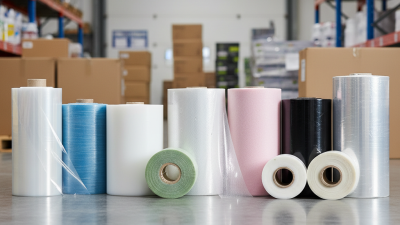
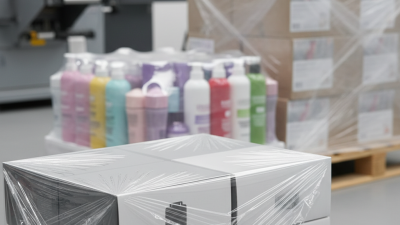
How to Choose the Best Shrink Packaging Roll for Your Needs?
Choosing the right Shrink Packaging Roll can significantly impact your packaging process. John Miller, a leading expert in packaging technology, states, “An optimal shrink wrap selection can improve efficiency and reduce costs.” This emphasizes the importance of making informed choices.
When selecting a Shrink Packaging Roll, consider your product's size and shape. The thickness and clarity of the film also matter. A durable roll can withstand handling and transport, while a clear finish showcases your product. Pay attention to the shrink percentage as well. It should match your application needs to avoid wastage.
Understanding your specific requirements will guide you better. Additionally, reflecting on past packaging experiences can reveal what worked and what didn’t. This knowledge helps refine your decision-making process. Ultimately, the right Shrink Packaging Roll blends functionality with cost-effectiveness, leading to success.
Understanding Shrink Packaging and Its Applications
Shrink packaging is widely used in various industries. Its primary function is to protect products while also enhancing their appearance. This type of packaging involves wrapping a product in a plastic film and then applying heat. The heat causes the plastic to shrink tightly around the item, providing a snug fit. This process secures the product and keeps it safe from dust, moisture, and handling damages. Shrink packaging can be seen on everything from food items to electronics.
The applications of shrink packaging are diverse. Many businesses rely on it for bundling several products together. For instance, a six-pack of beverages is often packaged using shrink film. This presentation not only helps in branding but also simplifies transportation. However, choosing the right type of shrink packaging can be challenging. The thickness of the material, the type of film, and the shrink percentage all play critical roles in the final outcome. Potential buyers should weigh their options carefully. There are no one-size-fits-all answers. Exploring various materials can lead to better choices. Conversations with experts can provide insights, but not every solution will fit every need.
Factors to Consider When Choosing Shrink Packaging Rolls
When selecting shrink packaging rolls, various factors play a crucial role. The type of material is fundamental. Polyolefin and PVC are popular choices. Polyolefin offers good clarity and durability. However, some users might find it slightly more expensive. PVC is often cheaper but may not be as environmentally friendly.
Size is another important consideration. Shrink rolls come in various widths and lengths. Choosing the wrong size can lead to excess waste. Assess your product dimensions carefully before making a purchase. A snug fit ensures better protection during shipping.
Temperature requirements impact your choice, too. Different materials shrink at varying heat levels. Understanding the heat range of your chosen roll is essential for optimal results. Some users may overlook this aspect, leading to issues in production. Always test your packaging process before making a bulk order. Balancing cost with quality is key in finding the right solution for your needs.
Comparing Different Materials for Shrink Packaging
When selecting shrink packaging rolls, understanding the material is crucial. Common options include PVC, polyolefin, and PET. PVC is cost-effective and provides excellent clarity. However, it may not be suitable for food products due to potential chemical leaching. According to industry reports, PVC accounted for about 35% of the shrink film market in 2022, but its use is declining due to health concerns.
Polyolefin has gained popularity, making up around 45% of the market. It offers more durability and is FDA-approved for direct food contact. It also lacks the chemical properties that some industries find problematic. Users appreciate its strength and versatility, especially in e-commerce packaging. However, polyolefin is sometimes pricier than PVC, which requires careful cost analysis.
PET is another option, known for its environmental benefits. It is recyclable and has robust performance features. Its market share is smaller, but steady growth is anticipated as sustainability becomes more critical. Data forecasts indicate a 15% increase in PET usage over the next five years. Each material has its pros and cons, which necessitate a thoughtful evaluation based on specific needs and end-use applications.
How to Choose the Best Shrink Packaging Roll for Your Needs? - Comparing Different Materials for Shrink Packaging
| Material Type |
Shrink Temperature (°F) |
Film Thickness (microns) |
Clarity |
Cost (per roll) |
Applications |
| Polyolefin |
320 - 350 |
15 - 75 |
High |
$20 - $100 |
Food packaging, retail |
| PVC |
250 - 300 |
40 - 100 |
Good |
$15 - $80 |
Toys, books, CD/DVDs |
| PE (Polyethylene) |
290 - 320 |
30 - 150 |
Moderate |
$10 - $50 |
General packaging, pallet wrapping |
| LDPE (Low-Density Polyethylene) |
270 - 310 |
30 - 80 |
Low |
$8 - $40 |
Packaging for agricultural products |
Sizing and Dimensions: Finding the Right Fit for Your Products
When selecting shrink packaging rolls, sizing and dimensions are crucial. The right fit ensures proper protection and presentation of your products. Measuring your items accurately leads to efficient use of resources. A roll that's too small can leave your products exposed. Conversely, an oversized roll can waste material and look unprofessional.
Choose the dimensions carefully. If your product varies in size, consider a few different roll widths. This lets you adapt to different packaging needs without constant reordering. Size isn't just about the product; it affects shipping and storage too. A compact package saves space and reduces shipping costs.
Consider these factors when making your choice. Understand your product dimensions well. Check whether your items are irregularly shaped. If they are, flexibility in the packaging may be essential. Ensure the shrink material is appropriate for the products being packaged. Some products may need extra cushioning or heat resistance. Finding the right fit will enhance your packaging effectiveness and overall business operations. Always keep your specific needs in mind for optimal results.
Assessing Cost Effectiveness in Shrink Packaging Solutions
When evaluating shrink packaging rolls, cost effectiveness is crucial. You need to consider materials, dimensions, and thickness.
Thinner films may save money upfront, but could lead to damages. This is a common mistake in the selection process.
Investing in stronger materials can reduce loss, proving to be wiser in the long run.
Another important factor is the roll size. Smaller rolls can be ideal for small businesses with limited storage.
Large rolls may seem cheaper per unit, but require sufficient space. Over time, this impacts overall costs.
It is essential to weigh these options carefully.
Reliability also plays a role. Poor quality wraps can ruin production efficiency.
Researching supplier reliability and material certification is essential.
Don’t overlook the importance of testing samples before purchase. Real-world performance can differ from expectations.
Taking time to evaluate cost versus quality can ensure better investments in shrink packaging solutions.