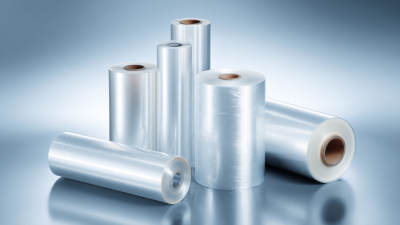
How to Choose the Best Pof Shrink Film for Your Business?
Choosing the right Pof Shrink Film is crucial for any business that relies on packaging. It can enhance product presentation and improve protection. According to industry expert John Miller, "Selecting the right Pof Shrink Film can elevate your brand's image." His insights help clarify the importance of quality in packaging materials.
Pof Shrink Film is versatile and comes in various thicknesses and finishes. The market is flooded with options, making it overwhelming to choose. Businesses must consider factors like clarity, strength, and shrinkage ratio. Each of these factors affects the final product's quality.
Price is often the most tempting factor, but it shouldn't be the only one. Cheaper films may save money upfront but can lead to poor presentation or product damage. A small investment in quality Pof Shrink Film can pay off significantly. Finding the right balance between cost and quality is essential. In the realm of packaging, every detail matters.
Understanding POF Shrink Film and Its Applications
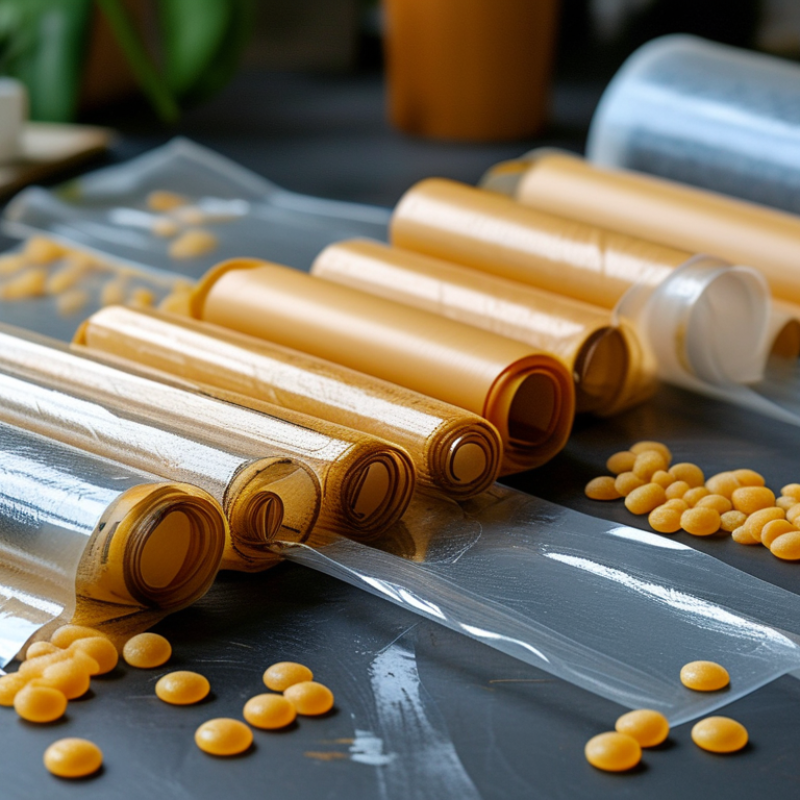
Understanding POF shrink film is essential for businesses looking to optimize their packaging solutions. Polyolefin film is a robust and flexible option, widely used in various sectors. According to a recent market analysis, the global POF shrink film market is projected to grow by 4.3% annually, highlighting its increasing importance in packaging.
POF shrink film is particularly noted for its clarity and strength. These qualities enhance product visibility on shelves, which can significantly attract customers. The film also provides excellent seal strength, ensuring products remain safe during transport. However, it's crucial to consider factors like thickness and shrinkage rate to choose the right film for specific applications. Companies often overlook these details, leading to inefficient packaging.
Thinking about the application? Assess the type of product you are packaging. For heavier items, a thicker film often provides better protection. Lightweight products may benefit from thinner films that still offer clarity. Engaging with industry studies can provide insights into preferences and trends that may influence purchasing decisions. Don't forget to experiment with different films to ensure you're meeting both functionality and budget constraints.
Key Factors to Consider When Choosing POF Shrink Film
Choosing the right POF shrink film for your business involves understanding several critical factors. One significant aspect is the thickness of the film. Thicker films offer better durability but may not always provide the best seal. Assessing your product’s weight and fragility helps in determining the appropriate thickness. Too thick, and you risk unnecessary costs; too thin, and you could compromise protection.
Another key consideration is the shrink ratio. Different films shrink at various rates when heat is applied. Understanding your packaging requirements can help you choose a film that provides a snug fit. Additionally, the clarity of the film plays a vital role in brand presentation. A clear film enhances product visibility, but it may not always be the best choice for every application. Some businesses might ponder if they need lower clarity for branding or design purposes. There's uncertainty in this decision-making process.
Lastly, consider the environmental impact of the film. While many options exist, eco-friendly films are gaining popularity. However, these can sometimes be less effective. This presents a dilemma for businesses wanting to align with sustainability while ensuring product safety. Reflecting on all these factors can lead to a more informed and effective choice in shrink film.
Comparing Different Types of POF Shrink Film
Choosing the right POF (polyolefin) shrink film is essential for businesses seeking optimal packaging solutions. Understanding the various types of POF shrink film can help in making an informed choice. POF shrink film typically comes in two main types: centerfold and single wound. Centerfold film is useful for wrapping products directly off the line, as it allows for easy loading. Single wound film, however, provides a tighter seal and is preferred for certain applications where clarity is crucial.
Industry data indicates that POF films account for roughly 30% of the shrink film market, reflecting their growing popularity due to versatility and performance. Moreover, studies show that using high-quality POF film can reduce packaging waste by up to 25%, benefiting both the environment and your bottom line. However, keep in mind that not all POF films are created equal; some may offer better shrink ratios or clearer visibility than others. Evaluating these aspects is key to improving efficiency.
Consider the specifics of your packaging needs. For instance, if you require more visibility, choose a film with higher clarity. If durability is a must, look for thicker options. Regularly revisiting your film choice can yield improved results. Always test samples to determine the best fit before making bulk purchases. Analyze your product’s shape and size requirements as these factors directly impact film performance. This careful assessment can save time and reduce costs in the long run.
How to Choose the Best POF Shrink Film for Your Business? - Comparing Different Types of POF Shrink Film
| Type of POF Shrink Film |
Thickness (mm) |
Shrink Ratio |
Applications |
Advantages |
Disadvantages |
| Standard POF Shrink Film |
0.03 - 0.15 |
Short (2:1) |
Food Packaging, Retail Items |
Cost-effective, Wide Availability |
Less Durability |
| Heavy-Duty POF Shrink Film |
0.15 - 0.30 |
Medium (3:1) |
Industrial Packaging, Heavy Products |
High Strength, Better Protection |
Higher Cost |
| Colored POF Shrink Film |
0.05 - 0.20 |
Short to Medium (2:1 to 3:1) |
Gift Wrapping, Retail Displays |
Attractive Look, Branding Opportunity |
Limited Visibility |
| Biodegradable POF Shrink Film |
0.05 - 0.20 |
Short (2:1) |
Eco-Friendly Packaging |
Sustainable Choice, Reduces Waste |
Higher Production Cost |
Evaluating the Cost-Effectiveness of POF Shrink Film Options
Evaluating the cost-effectiveness of POF shrink film options requires a keen understanding of your specific needs. Different thicknesses and sizes can influence both performance and cost. Thicker films generally offer better durability, but may not always be necessary. Remember to consider the products you are wrapping. If they are delicate, a thinner film may suffice, reducing expenses.
When assessing POF shrink film, analyze the potential waste generated during the packaging process. Excess film can lead to higher costs. Testing various films on a small scale allows businesses to compare prices and performance. Seeking feedback from employees can help identify which options best suit your workflow.
Additionally, consider the environment. Some films are recyclable, which can lower long-term waste disposal costs. Balancing cost with sustainability can be challenging. It's essential to reflect on whether a lower upfront cost might lead to greater expenses later. Finding the right POF shrink film involves a blend of practicality, cost, and environmental responsibility.
Best Practices for Using POF Shrink Film in Your Business
When selecting POF shrink film for your business, understanding best practices is essential for maximizing efficiency and product quality. Recent industry studies indicate that using high-quality shrink film can reduce packaging costs by up to 30%. It protects products from dust and moisture while enhancing shelf appeal.
Proper heating is crucial when using POF shrink film. The film should be heated to the appropriate temperature to ensure a smooth shrink. Overheating can lead to burns or tears, while insufficient heat may result in incomplete sealing. Investing in a reliable heat tunnel can significantly improve your packaging process.
Keep in mind the suitability of your film thickness. Thicker films offer more protection, but they can be less flexible. On the other hand, thinner films are easier to use but may not withstand rough handling. It's important to evaluate the specific needs of your products to find the best balance.
Maintaining your shrink wrap equipment is vital. Regular cleaning and inspections can prevent costly downtimes. Understanding the attributes of your chosen film will enhance your productivity. High-quality POF films typically feature excellent clarity and gloss, which can influence consumer decisions.
Sales Comparison of POF Shrink Film Types