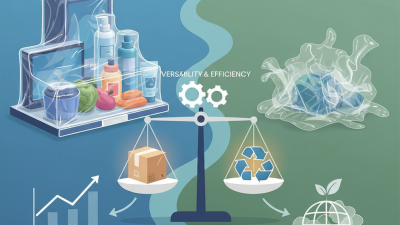
How to Choose the Best Plastic Shrink Packaging for Your Business?
When selecting the best Plastic Shrink Packaging for your business, clarity and expert insight are vital. As Jane Smith, an industry expert with over 15 years of experience in packaging solutions, once said, "The right packaging protects your product and enhances its appeal." Her words underscore the importance of making informed decisions.
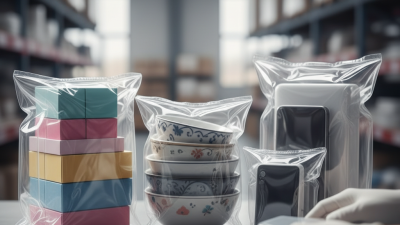
Plastic Shrink Packaging is ubiquitous in various industries, from food to electronics. Its flexibility and durability serve a broad range of products. However, the choices can be overwhelming. Different materials and shrink ratios can affect both cost and effectiveness. A common mistake is inadequately assessing the specific needs of your product.
Knowing your product’s dimensions and shelf life can guide your packaging choice. Many businesses overlook this stage, leading to costly errors. Take the time to understand how different finishes and thicknesses can impact your product’s presentation and protection. Ultimately, investing effort in this selection process can yield significant returns.
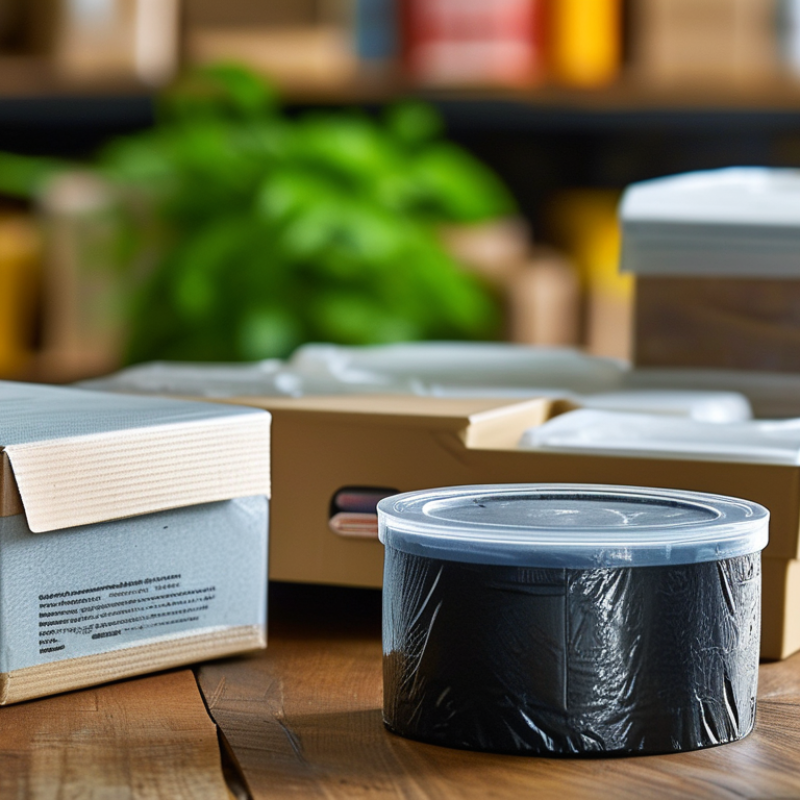
Understanding the Different Types of Plastic Shrink Packaging
When selecting plastic shrink packaging, it's crucial to understand the different types available. Common options include PVC, PET and POF. Each material serves unique purposes and offers varying benefits. PVC is popular due to its clarity and durability. It provides an excellent visual appeal, making products look attractive on shelves. However, its environmental impact raises concerns.
Move on to PET, which is also clear and has a stronger resistance to heat. This type is excellent for food packaging. It is safer for the environment compared to PVC. Despite its benefits, PET can be more expensive. Weigh the costs against your packaging needs when making a choice.
POF, or polyolefin, is another option that is becoming increasingly popular. It combines flexibility with remarkable clarity. POF shrink film is known for its excellent seal strengths. Yet, it may not be as readily available as PVC or PET. Understanding these nuances can help you avoid choosing an unsuitable material. Reflect on how packaging aligns with your brand’s values and customer expectations.
Types of Plastic Shrink Packaging Used by Businesses
This bar chart illustrates the different types of plastic shrink packaging used in business, highlighting their percentage usage. PVC dominates the market, followed by PE, PETG, and PLA.
Key Factors to Consider When Choosing Shrink Packaging Materials
When choosing shrink packaging for your business, several key factors should be considered.
Quality is paramount.
Research shows that high-quality materials can reduce product damage by up to 30%, thus enhancing customer satisfaction.
Pay attention to the thickness and durability of the films used. Thicker films often offer better protection and a more professional appearance.
Another vital aspect is the compatibility of the packaging with your product. For instance, if you are packaging food items,
USDA compliance is essential.
The materials should not react with the product and should maintain freshness. The sealing method is equally critical.
An effective seal prevents leakage and enhances shelf life.
A study by Freedonia Group indicates that businesses face a 15% increase in product spoilage due to poor sealing techniques.
Tips:
Evaluate options thoroughly. Test samples before making commitments.
Monitor your packaging waste. Excess material can lead to inefficiencies.
Always seek feedback from your team regarding the user-friendliness of packaging.
Reflect on this process; a mismatch between product and packaging can reflect on your brand's image.
Analyzing Cost-Effectiveness in Plastic Shrink Packaging Options
When analyzing cost-effectiveness in plastic shrink packaging, it’s crucial to weigh your options carefully. Different materials and technologies are available. Prices can vary significantly based on thickness, strength, and durability. Investing more upfront may save you costs in the long run, particularly if it reduces waste and improves product protection.
Tips: Consider bulk purchasing. It can lower your overall costs. Analyze potential savings from reduced spoilage. Look into new technologies that provide better shrink ratios. A small increase in thickness can enhance durability without a huge jump in price.
Understand the benefits of lightweight materials. They can decrease shipping costs. However, not all lighter options maintain product integrity. Evaluate the trade-offs between weight and protection. Quality matters when estimating total expenses. A poor choice may lead to higher returns or damages, impacting your bottom line.
How to Choose the Best Plastic Shrink Packaging for Your Business?
| Packaging Type |
Material |
Cost per Unit ($) |
Shrink Rate (%) |
Best Use Case |
| PVC Shrink Film |
Polyvinyl Chloride |
0.12 |
40-50 |
Retail Products |
| PET Shrink Film |
Polyethylene Terephthalate |
0.15 |
30-40 |
Food Packaging |
| Polyolefin Shrink Film |
Polyethylene/Polypropylene Blend |
0.18 |
20-30 |
Pharmaceuticals |
| PLA Shrink Film |
Polylactic Acid |
0.20 |
15-25 |
Eco-Friendly Products |
Sustainability and Environmental Impact of Shrink Packaging Choices
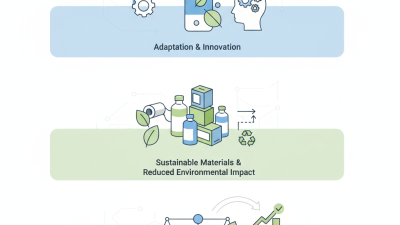
Sustainability is critical in today’s packaging decisions. Many businesses overlook the environmental impact of shrink packaging materials. Traditional plastics can contribute significantly to pollution. However, choosing alternative materials can mitigate this effect. Biodegradable options are now available. These materials decompose more easily than conventional plastic.
Recycling is another important aspect to consider. Many shrink films can be recycled, reducing landfill waste. Still, many consumers ignore recycling guidelines. Increased education is necessary to improve participation in recycling programs. It's also vital to invest in packaging that minimizes waste. Packaging that uses less material can lower environmental footprints.
Companies must also reflect on their supply chains. Product transportation heavily influences environmental impact. Lightweight shrink packaging can reduce fuel consumption during shipping. Nevertheless, balancing protection and sustainability can be challenging. Businesses should regularly assess their choices. This approach will foster continuous improvement and align with sustainability goals.
Evaluating Supplier Reliability and Service for Shrink Packaging Needs
When selecting a supplier for shrink packaging, reliability is crucial. A trustworthy supplier provides consistent quality. Regular delays or poor service can disrupt operations. Businesses should research suppliers thoroughly. Look for testimonials and reviews from other companies in your industry. Direct feedback can reveal potential issues.
Service quality matters just as much as product standards. A responsive supplier helps resolve problems quickly. Communication is key in any partnership. Frequent updates and proactive support are essential. Assess how suppliers handle inquiries and complaints. This can indicate their overall service reliability.
Consider long-term relationships when choosing a supplier. A partner who understands your needs can adapt to challenges. This helps both parties grow. At times, it may be necessary to reflect on the reasons behind previous supplier choices. Honestly assessing past experiences can guide you toward a better match.