Why Choose Plastic Shrink Wrap for Your Packaging Needs?
In today’s competitive market, effective packaging is crucial. Businesses seek solutions that protect products while minimizing costs. Plastic Shrink Wrap has emerged as a popular choice. This versatile material offers robust protection for various items. Its clear design allows customers to see what they are purchasing.
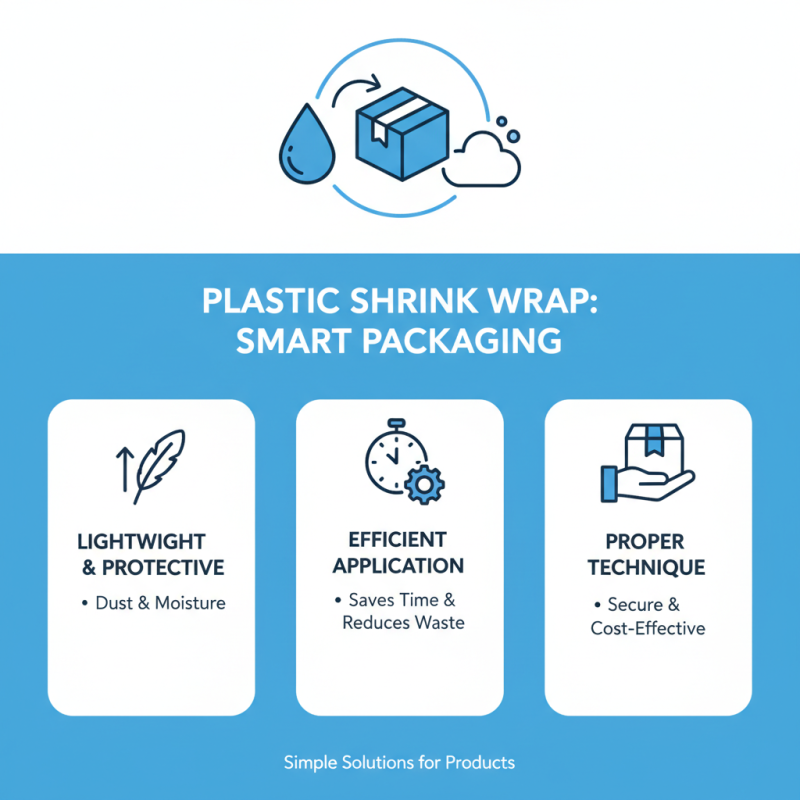
Plastic Shrink Wrap is lightweight yet incredibly strong. It clings tightly, safeguarding products from dust and moisture. This feature makes it ideal for shipping and storage. Many companies appreciate its ability to reduce waste. However, there are challenges to consider. Overuse of Plastic Shrink Wrap can lead to environmental concerns.
It's essential to balance convenience and sustainability. Users should reflect on their packaging choices. Utilizing Plastic Shrink Wrap wisely can enhance brand image while ensuring product safety. Adopting a mindful approach encourages responsible usage, benefiting both businesses and the environment.
Advantages of Plastic Shrink Wrap in Packaging Solutions
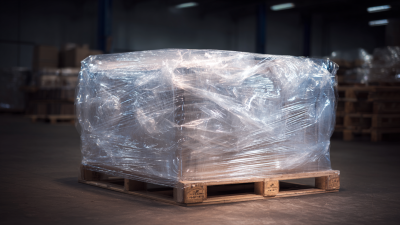
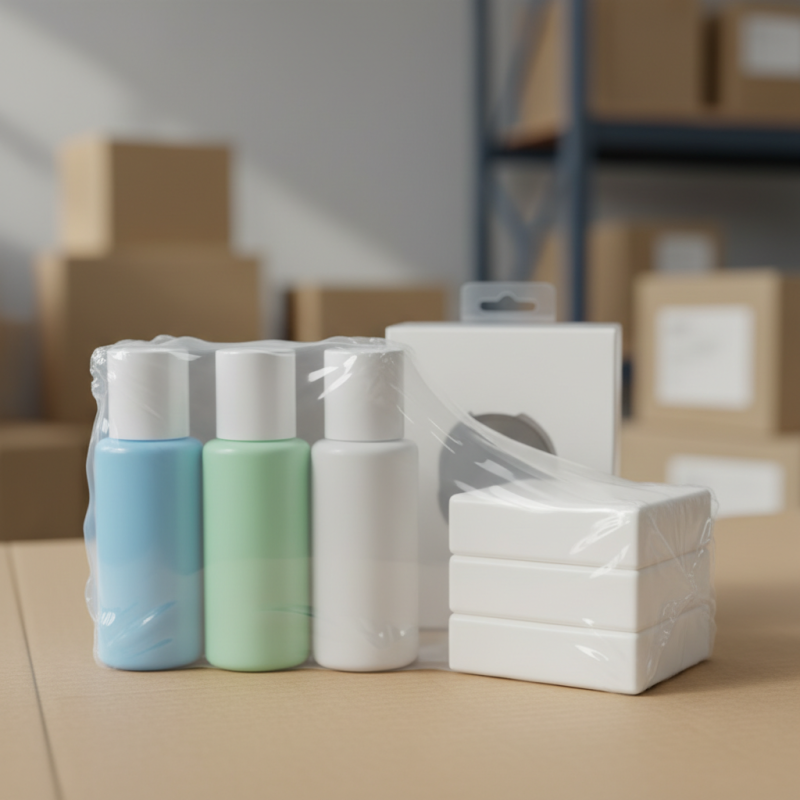
Plastic shrink wrap has become a popular choice for various packaging needs. Its ability to tightly conform to products makes it ideal for protecting items during storage and transportation. This film shrinks when heat is applied, creating a secure barrier. It prevents moisture, dust, and dirt from reaching the product. This offers peace of mind for manufacturers and consumers alike.
Another key advantage is cost-effectiveness. Plastic shrink wrap is lightweight, which helps reduce shipping costs. Despite its thin appearance, it can withstand physical stress without tearing easily. However, one might question its impact on the environment. While it serves its purpose well, recyclability remains a concern. Many consumers are looking for sustainable options.
Furthermore, the application process can be challenging. Improper heat settings can lead to wrinkling or uneven shrinkage. Proper training and testing are essential to avoid these issues. In the quest for efficiency, businesses must balance performance with sustainability. By remaining aware of both benefits and drawbacks, companies can make informed packaging decisions.
Versatility of Plastic Shrink Wrap for Various Products
Plastic shrink wrap is a versatile packaging solution for various products. It can conform to items of all shapes and sizes. This adaptability makes it a popular choice across different industries. Whether for protecting food, securing electronics, or bundling household goods, shrink wrap performs exceptionally well.
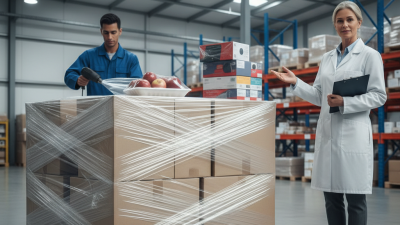
Food packaging benefits greatly from shrink wrap. It preserves freshness and extends shelf life. The clarity of the wrap allows consumers to see the product inside. For electronics, shrink wrap acts as a protective barrier against dust and moisture. This ensures products arrive in perfect condition. However, one must consider the environmental implications of using plastic. Recycling options are limited, and this raises questions about sustainability.
Many companies overlook the importance of using the right thickness for their needs. A heavier gauge is needed for sharp or heavy items. Using a light gauge might lead to product damage. Mistakes made during the packaging process can lead to wasted materials and increased costs. Therefore, testing the right fit is crucial for maximizing efficiency and ensuring product safety.
Cost-Effectiveness of Using Plastic Shrink Wrap
Plastic shrink wrap is an ideal packaging solution for various industries, primarily due to its cost-effectiveness. According to a report by Research and Markets, the global shrink wrap market is projected to reach $23.5 billion by 2026, driven by increasing demand across sectors like food and e-commerce. This impressive growth reflects the efficiency and affordability that shrink wrap provides.
Using plastic shrink wrap can significantly reduce packaging costs. It minimizes the need for extra packing materials and simplifies storage and transportation. Studies indicate that companies using shrink wrap can save up to 30% on their packaging expenses. This is especially beneficial for small businesses looking to maintain quality while keeping budgets under control.
Tips: Always consider the size and type of your products. Choosing the right thickness can impact both cost and performance. Test different options to find what works best for your needs. It’s essential to assess your wrapping techniques. Improper application can lead to wastage.
Many businesses must reflect on their shrink wrap usage. Not every product may suit shrink wrap effectively. Evaluating packaging options is crucial to maximize benefits. While plastic shrink wrap has excellent attributes, one must not overlook its limitations. Balancing costs and product safety should guide your decision-making.
Environmental Considerations of Plastic Shrink Wrap
Plastic shrink wrap is widely used in packaging for various reasons. However, environmental considerations are crucial when selecting materials. Many consumers question the impact of plastic on our planet. Shrink wrap is often made from polyethylene, which can be recycled, but numerous facilities may not accept it.
Using plastic wrap responsibly can mitigate some environmental damage. Consider trying biodegradable options if available. These products can break down more easily in landfills. Additionally, you can choose wraps made from recycled materials. This helps reduce the demand for new plastic production.
Tips for eco-friendly usage include minimizing waste during the wrapping process. Cut only the amount needed, avoiding excess. Proper disposal is essential as well. Make sure to check local recycling guidelines. If recycling is not an option, consider reusing the material where possible. This approach may not solve all environmental issues, but it’s a step toward better practices.
Why Choose Plastic Shrink Wrap for Your Packaging Needs? - Environmental Considerations of Plastic Shrink Wrap
| Aspect |
Details |
| Material Composition |
Polyethylene (PE) and Polyvinyl Chloride (PVC) |
| Recyclability |
Many plastic shrink wraps are recyclable, particularly those made from PE |
| Environmental Impact |
Lower carbon footprint compared to other packaging materials |
| Biodegradability |
Standard plastic shrink wrap is not biodegradable but newer options exist |
| Usage Efficiency |
Highly efficient at minimizing waste through reduced material requirements |
| Alternatives |
Kraft paper, compostable films, and biodegradable wraps are emerging alternatives |
| Regulations |
Various regulations exist to reduce plastic waste and promote recycling |
Techniques for Applying Plastic Shrink Wrap Efficiently
When it comes to packaging, plastic shrink wrap offers a simple solution. It's lightweight and protects products from dust and moisture. Applying shrink wrap efficiently can save time and reduce waste. It's essential to focus on the techniques for wrapping items properly.
One key technique is ensuring that the items are clean and dry before wrapping. Dust or moisture can affect adhesion. Always use a heat gun at the right distance to avoid melting the wrap. Holding it too close can create defects. Also, it's crucial to create a tight seal. Any loose ends might unravel over time.
**Tips:** Consider using a shrink wrap system. This can provide a consistent application. For larger items, use a banding technique for added stability. Remember, practice makes perfect. Experimenting with different methods can help you find what works best.
Another important technique is to plan the layout before starting. Label your products clearly to avoid confusion. This can lead to better efficiency in the long run. If you're wrapping multiple items, batch them together and wrap them in groups. This might seem redundant but can save time.