How to Choose the Best Shrink Wrap Roll for Your Needs?
Choosing the right Shrink Wrap Roll can significantly impact your packaging effectiveness. Market research from Smithers Pira indicates that the shrink wrap industry is expected to grow by over 4% annually. A well-chosen shrink wrap can protect products from moisture, dust, and damage. Industry expert Dr. Emily Thompson states, “Selecting the right shrink film is crucial for maintaining product integrity.”
Various factors influence this choice, including the thickness, width, and shrink ratio of the film. A thicker roll often offers better protection, while a wider film can accommodate larger items. However, it is essential to find a balance between protection and cost. Too thick or too wide may lead to unnecessary expenditure.
Understanding your specific needs is key. Different applications require different types of shrink films, whether for retail, transportation, or industrial uses. Take the time to evaluate your requirements, but also be open to adjustments. Not every Shrink Wrap Roll will suit your purpose perfectly, and some experimentation may be necessary.
Understanding the Different Types of Shrink Wrap Rolls Available
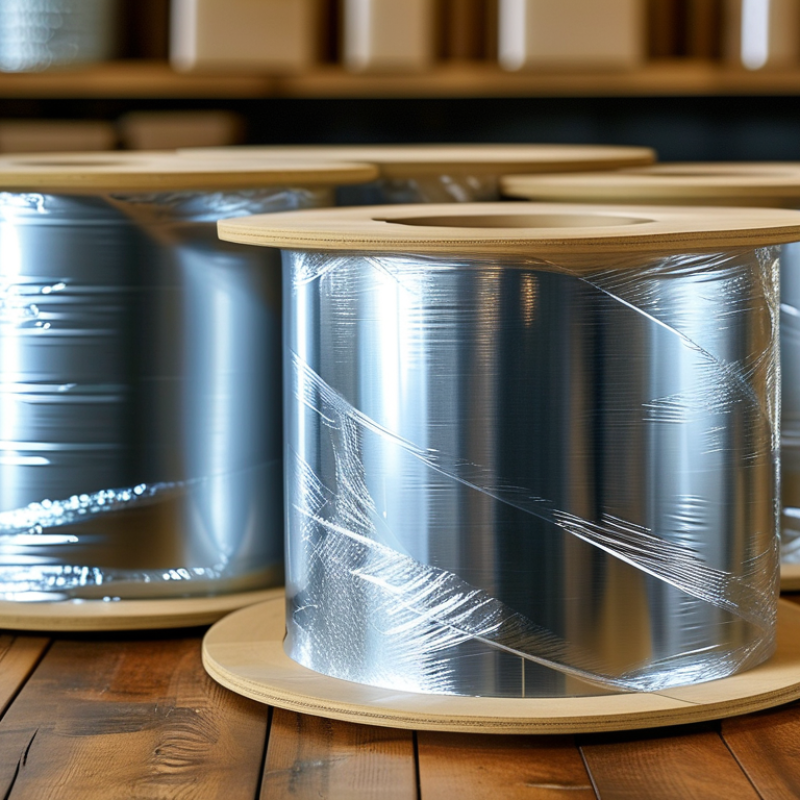
When selecting the right shrink wrap roll, it's essential to understand the various types available.
Polyolefin and PVC are two popular options.
Polyolefin shrink wrap is known for its durability and clarity. It provides a professional finish, making it ideal for retail packaging.
PVC shrink wrap, on the other hand, is often more cost-effective. However, it may not offer the same level of clarity and flexibility as its polyolefin counterpart.
Another factor to consider is the thickness of the roll. Shrink wrap comes in various gauges, typically ranging from 60 to 80 microns.
Thicker rolls tend to be more durable. However, they can be harder to work with. Thin rolls are easier to handle but may lack the same level of protection.
Finding a balance between ease of use and durability is key, yet each user's needs may differ.
Remember to think about the size of your products. Smaller items may need a narrower roll, while larger products could require wider rolls.
It's easy to overlook this detail when making a choice. Additionally, consider the shrink temperature and how it affects the appearance and integrity of the material.
Experimenting with different types could lead to better results, revealing nuances that might not be apparent at first glance.
Evaluating the Thickness and Size for Your Specific Packaging Needs
Choosing the right shrink wrap roll is crucial for effective packaging. Evaluating thickness and size helps ensure your products stay protected. Industry standards suggest that thickness typically ranges from 45 to 100 gauges. Thinner wraps often offer cost benefits but might lack durability. A thicker wrap provides better protection but at a higher cost. Consider the nature of your products when selecting thickness. If items are fragile, opt for a thicker option.
Size matters as well. Shrink wrap rolls come in various widths and lengths. The most common widths are between 12 to 40 inches. A roll that is too wide may lead to wasted material. Conversely, a smaller roll may not accommodate your items efficiently. Research shows that improper sizing can result in up to 15% more material usage. This not only increases costs but also impacts sustainability.
While these guidelines provide valuable insights, always assess your unique needs. What works for one manufacturer may not suit another. Review your budget, product shape, and shipping requirements. This reflection can lead to more informed decisions while avoiding common pitfalls. In an industry that is constantly evolving, keeping these factors in mind helps enhance your packaging approach.
How to Choose the Best Shrink Wrap Roll for Your Needs? - Evaluating the Thickness and Size for Your Specific Packaging Needs
| Shrink Wrap Thickness (Mil) |
Common Uses |
Roll Size (Width x Length) |
Recommended Applications |
| 60 |
Lightweight items, retail packaging |
15" x 1000' |
Food packaging, crafts |
| 75 |
Moderate weight items, bundles |
18" x 1000' |
Books, electronics |
| 90 |
Heavy items, industrial packaging |
24" x 1000' |
Automotive parts, machinery |
| 100 |
Very heavy items, outdoor use |
30" x 1000' |
Furniture, pallets |
| 125 |
Extreme heavy-duty use |
36" x 1000' |
Outdoor equipment, machinery protection |
Choosing the Right Shrink Wrapping Equipment for Your Roll
Choosing the right shrink wrapping equipment is crucial for optimizing your business operations. The right machine enhances efficiency and ensures consistent quality in your packaging. Consider the size of your products. Different equipment caters to various sizes and shapes. If your items vary, a versatile machine might be essential.
Material compatibility is another critical factor. Not all shrink wrap rolls work seamlessly with every machine. Some require a specific thickness or type of film. Testing different materials can be a trial-and-error process, potentially wasting resources. It's vital to consult with experts who can guide you in selecting the best fit for your equipment and products.
Think about your production speed needs. Some machines offer high-speed capabilities, while others suit lower-volume operations. Slower machines can lead to bottlenecks. Reflect on how this aligns with your workflow. Regular maintenance also plays a role in performance. A neglected machine may underperform, affecting your output and efficiency. Prioritize routine checks to avoid these pitfalls.
Comparison of Popular Shrink Wrap Roll Sizes
Identifying Suitable Applications and Industries for Shrink Wrap
Shrink wrap is widely used across various industries. Identifying the right applications can help optimize efficiency. Many companies utilize shrink wrap for packaging machinery and equipment. It helps prevent damage during transportation.
Food preservation is another key application. Shrink wrap keeps products fresh and extends shelf life. Restaurants and food manufacturers commonly rely on it. Moreover, shrink wrap can serve to bundle items together, ensuring they stay organized.
In industrial settings, shrink wrap protects items from dust and moisture. While it can be effective, not every type suits every need. Evaluating specific requirements is crucial for success. Sometimes companies might choose the wrong thickness or type. This can lead to unnecessary costs or product failures. Rethinking packaging strategies may offer better solutions.
Comparing Cost and Quality Factors in Shrink Wrap Roll Selection
When selecting the right shrink wrap roll, both cost and quality are crucial factors. Cheap options may seem appealing, but they often compromise on durability. High-quality shrink wrap rolls may have a higher upfront cost, yet they provide better protection. Assess the thickness and clarity of the material before making a choice. Thicker films usually resist punctures better and ensure that your products remain secure.
Tips for choosing the best shrink wrap include evaluating the specific needs of your items. Consider the size and shape of the products you are wrapping. For irregularly shaped items, a more flexible film can be beneficial. Evaluate how the shrink wrap will be used. If it will be exposed to the elements, choose UV-resistant options for added protection.
Investing in quality shrink wrap rolls can reduce waste and save money in the long run. Look for products that offer an adequate balance between price and performance. Avoid getting swayed by lower prices alone. Reflect on the long-term benefits of selecting high-quality materials. In the end, the right choice can elevate your packaging.