How to Choose the Best Shrink Film Roll for Your Needs?
Choosing the right Shrink Film Roll is crucial for businesses and individuals alike. As John Smith, a leading expert in packaging solutions, once said, "The effectiveness of your packaging often hinges on the right materials." This highlights the significance of understanding your specific needs when selecting shrink film.
Shrink Film Rolls come in various types, sizes, and thicknesses. Knowing these details helps ensure your products are adequately protected. Different applications may require different films, which can be a challenge. The wrong choice might compromise product integrity or lead to increased costs. Even experienced professionals occasionally overlook these factors.
When making your decision, consider variables such as clarity, strength, and seal quality. Visual appeal can be equally important. The right Shrink Film Roll not only enhances protection but also adds to your product’s marketability. It’s essential to balance performance with aesthetics while avoiding common pitfalls in material selection.

Understanding Shrink Film: Types and Their Uses
Shrink film is a versatile packaging material. It comes in various types, each designed for specific applications. Understanding these types is essential for effective usage.
There are generally three main types of shrink film: polyolefin, PVC, and polyethylene. Polyolefin is popular for food packaging due to its clarity and heat resistance. It is often used in applications requiring durability. In contrast, PVC is cost-effective and ideal for wrapping non-food items. It provides a good barrier but may release harmful chemicals when heated. Lastly, polyethylene is robust, often used for bundling items together, making it suitable for shipping.
According to a recent industry report, the global shrink film market is projected to grow by 4.5% annually, reaching over $12 billion by 2026. This growth reflects a rising demand in e-commerce and retail sectors. However, choosing the right shrink film is not just about being cost-effective. It's crucial to assess the environment and safety regulations relevant to the products you need to package. Overlooking these aspects can lead to significant impacts down the line. Understanding the characteristics and limitations of each type of shrink film ensures you make informed decisions tailored to your needs.
How to Choose the Best Shrink Film Roll for Your Needs
| Type of Shrink Film |
Material |
Common Uses |
Temperature Range |
Thickness |
| PVC Shrink Film |
Polyvinyl Chloride |
Food Packaging, Consumer Goods |
250°F - 300°F |
60 - 100 microns |
| PE Shrink Film |
Polyethylene |
Bottles, Beverages |
220°F - 250°F |
50 - 80 microns |
| PP Shrink Film |
Polypropylene |
Labels, Electronics |
240°F - 280°F |
40 - 70 microns |
| Cross-linked Polyolefin |
Polyolefin |
Industrial Goods, Medical Devices |
250°F - 350°F |
30 - 60 microns |
Evaluating Your Packaging Needs: Factors to Consider
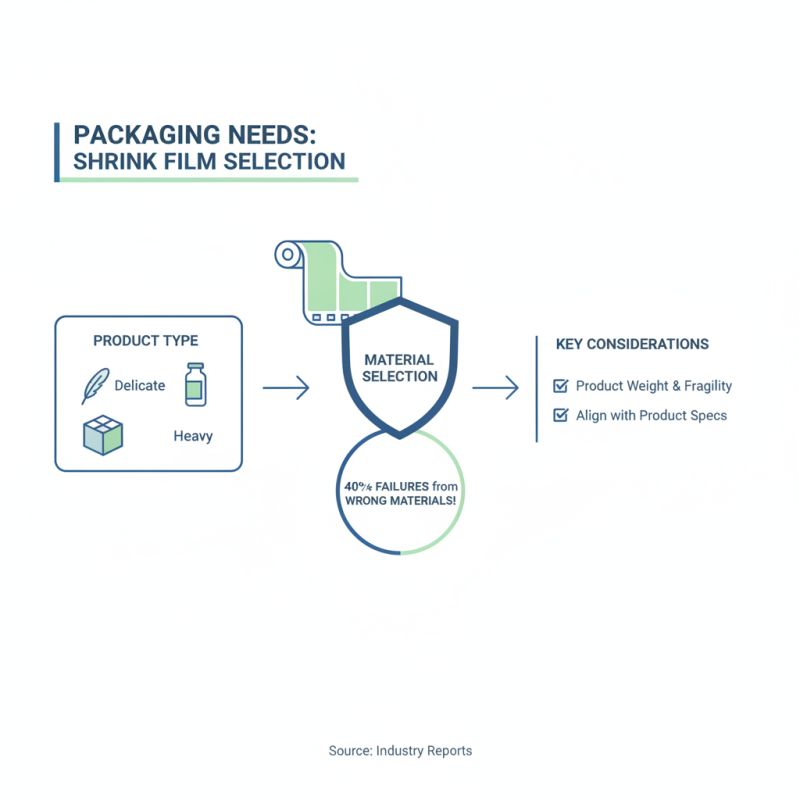
When selecting a shrink film roll, it is crucial to assess your packaging needs carefully. Start by considering the type of products you'll package. For instance, are they delicate or heavy? According to industry reports, over 40% of packaging failures occur due to improper material selection. This highlights the importance of aligning your shrink film choice with product specifications.
Thickness is another vital factor. Shrink films typically range from 40 to 100 gauge. A thicker film offers more durability but may cost more. On the other hand, a thinner film may save money but could lead to potential risks. You need to find a balance based on your product's requirements. Research indicates that nearly 30% of companies underestimate the packing strength needed, leading to increased damage during transportation.
Lastly, don't overlook the environmental impact. Sustainable options are gaining popularity, with reports showing that 60% of consumers prefer eco-friendly packaging. Evaluating your shrink film should include a review of its recyclability and environmental footprint. You’re likely to face trade-offs between cost, performance, and sustainability. Understanding these nuances can guide you in making an informed choice, ensuring better packaging outcomes.
Comparing Shrink Film Materials: PVC, Polyolefin, and PE
When choosing the right shrink film material, it’s essential to understand the differences between
PVC, Polyolefin, and PE.
PVC offers superior clarity and a strong barrier against moisture. It is cost-effective but less eco-friendly.
It's often used for packaging items that need visibility and protection. Many industries rely on PVC for its reliability, although it's crucial to consider its environmental impact.
Polyolefin is a popular choice due to its versatility.
It shrinks tightly around products, providing a snug fit. This material is more heat-resistant than PVC and safer for food applications.
However, it can be more expensive. It’s also less rigid, which can raise concerns about durability during transport.
For those prioritizing safety and aesthetics, Polyolefin might be the better option.
PE, or polyethylene, is known for its flexibility and toughness.
It's often used for larger products or bulk packaging. While it doesn’t provide the same clarity, it is recyclable, offering an eco-conscious choice.
However, the choice between these materials often leads to questions of performance versus sustainability.
Evaluating these trade-offs is key in finding the best fit for your packaging needs.
Determining the Right Size and Thickness for Your Projects
When determining the right size and thickness for your shrink film projects, it's crucial to consider your specific needs. The size of the film should correspond to the dimensions of your products. For instance, a study from the Flexible Packaging Association indicates that the use of improperly sized film can lead to wasted material and increased costs. A snug fit is essential for achieving a professional look and optimal protection.
Choosing the appropriate thickness is equally important. Generally, shrink film thickness ranges from 40 to 100 gauge. Thinner films (around 40-60 gauge) are suitable for lightweight items, while thicker films (over 80 gauge) provide better durability for heavier products. According to market research, up to 30% of users reported issues with film tearing when an inadequate thickness was chosen for their products.
Tips: Always evaluate the weight and fragility of your items before selecting the shrink film. Consider a test run with samples to assess how well the film conforms. Also, be mindful that overly thick films can be difficult to seal and shrink properly, potentially leading to a subpar finish. Pay attention to these details to ensure a successful sealing process.
Choosing the Right Shrink Film Roll Size and Thickness
Tips for Properly Applying Shrink Film for Best Results
Applying shrink film properly is essential for achieving the best results. The process may seem simple but involves several critical steps. Begin by selecting the right temperature settings for your heat source. Too high a temperature can cause unsightly bubbles. Too low can result in an inadequate seal. Always test your equipment before starting a large project. This can save you time and materials.
Preparation is equally important. Ensure that the surface to be covered is clean and dry. Dust or moisture can compromise adhesion. Cut your shrink film to size, leaving a bit of extra material for adjustments. After wrapping the item, use a heat gun for even heating. Move the gun in and out, ensuring all areas are properly shrunk. Pay attention to the corners; they often require extra care.
Finally, review your work. Don’t rush this step; check for air bubbles or wrinkles. These mistakes can affect the film’s durability. If imperfections arise, practice makes perfect. Revisit your process and adjust as necessary. Learning from each experience will lead to better results in future applications.