Why Choose a Shrink Packing Machine for Your Packaging Needs?
In the fast-paced world of packaging, efficiency and reliability are crucial. "Shrink Packing Machines are game-changers," says John Roberts, an industry expert. His insights highlight their importance in modern packaging needs. Many businesses overlook the benefits these machines offer. They can enhance product presentation while ensuring protection during transportation.
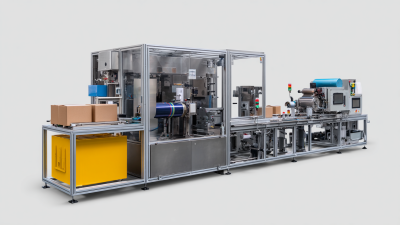
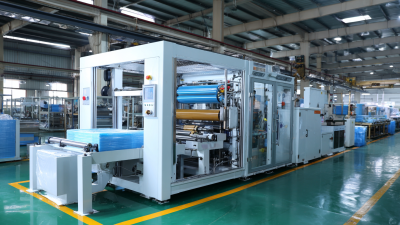
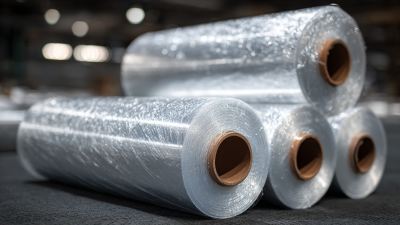
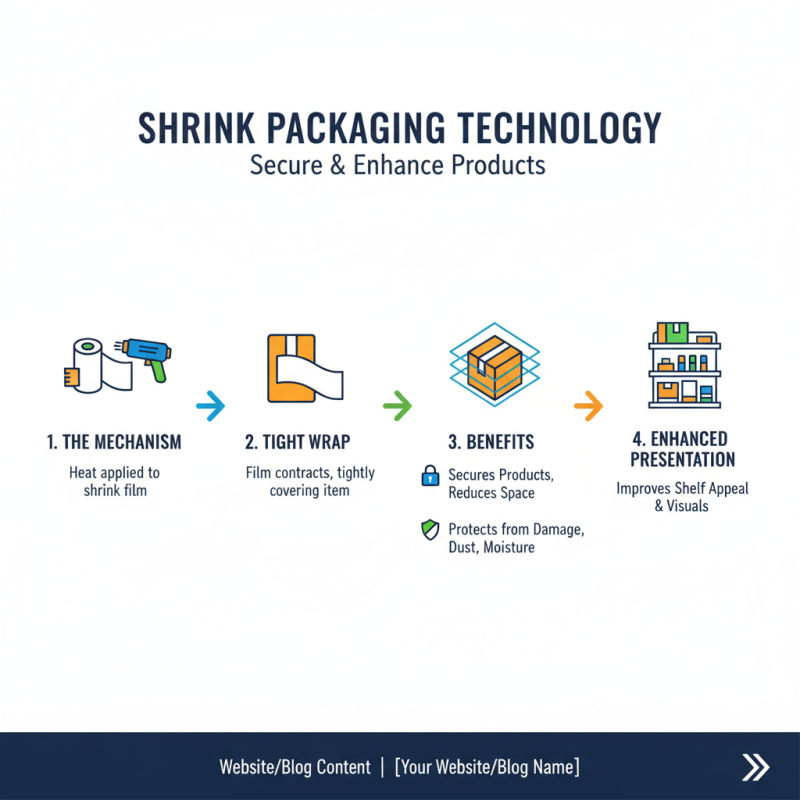
A Shrink Packing Machine simplifies the packaging process. It uses heat to shrink film tightly around products, providing a tamper-proof seal. This is not just about aesthetics; it's about safety and durability. However, some companies hesitate to invest in this technology. They may fear the upfront costs or complexity.
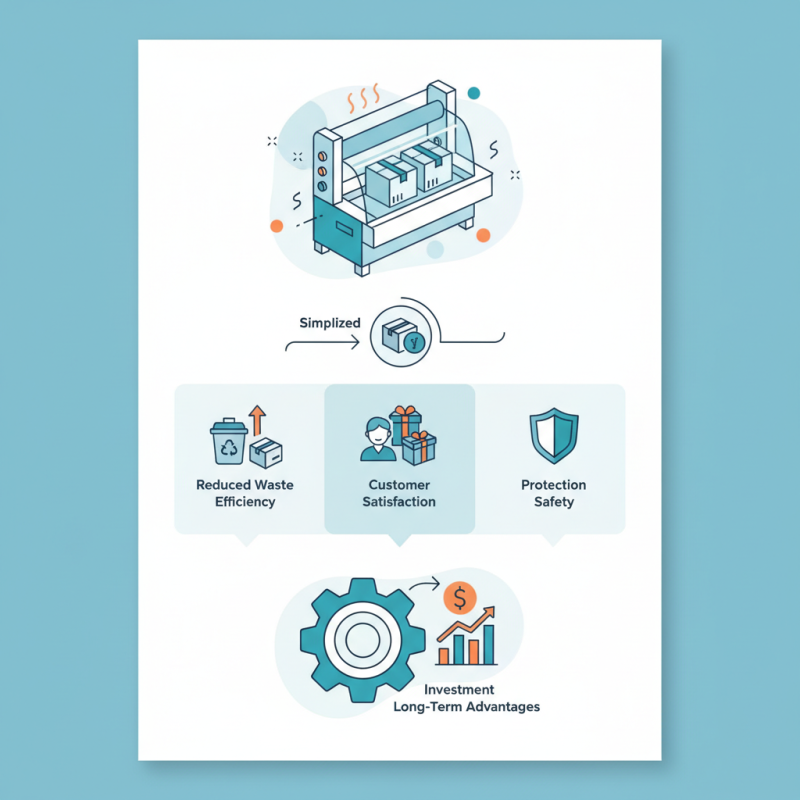
Yet, the long-term advantages often outweigh these concerns. Improved packaging reduces waste and increases efficiency. A well-packed product can significantly boost customer satisfaction. The Shrink Packing Machine is more than just another piece of equipment; it’s a vital investment. When considering packaging solutions, businesses must reflect on their choices and embrace innovation.
Benefits of Using a Shrink Packing Machine in Packaging
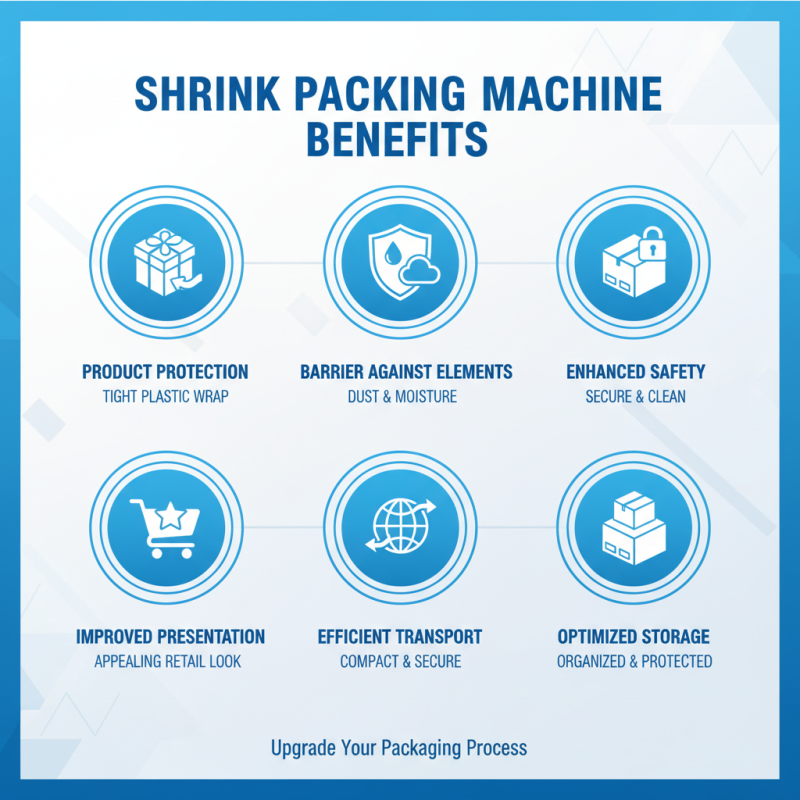
Shrink packing machines offer several benefits that can significantly enhance your packaging process. They are designed to tightly wrap products in a plastic film, providing protection and creating a barrier against dust and moisture. This is especially useful for items that require safety and cleanliness during storage and transportation. The use of shrink wraps can also improve product presentation, making items more appealing on retail shelves.
Tips: When selecting a shrink packing machine, consider the size of the products. A machine that can accommodate various sizes is a good investment. Check the sealing technology for efficiency. Incorrect seals can lead to wasted materials and compromised product integrity.
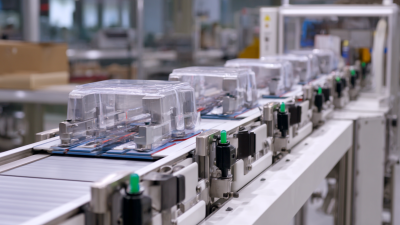
A shrink packing machine can also increase efficiency. This automation helps speed up packaging processes, allowing businesses to meet growing demand. However, some users face challenges with maintenance and setup. It's essential to regularly check for wear and tear to avoid downtime. Adjustments might be needed to maintain optimal performance, especially during product changes.
Tips: Train staff thoroughly on machine operations. Well-informed operators can minimize mistakes. Additionally, keep a log of any issues to identify patterns over time. This can help in troubleshooting and enhancing overall efficiency.
Comparing Shrink Packing with Other Packaging Methods
When assessing packaging methods, shrink packing stands out for several reasons. Reports indicate that shrink wrapping can reduce packing costs by up to 30% compared to traditional methods. Its efficiency in securing multiple items together is notable. This not only improves handling but also minimizes the risk of damage during transport.
In contrast, other packaging techniques, such as box or bubble packing, often require more materials. This increases both costs and environmental impact. A study revealed that using cardboard boxes generates about 15% more waste than shrink wrap. Yet, some still favor boxes for their sturdiness.
Shrink packing is not without flaws. It may not always provide the same level of protection as rigid packaging. Fragile items might still get damaged despite being well-wrapped. There is also a learning curve with machinery. Operators need training to use shrink packing machines effectively. Companies must consider both cost and effectiveness carefully.
Key Industries That Benefit from Shrink Packing Solutions
Shrink packing machines are essential in various industries. The food and beverage sector, for instance, relies heavily on these machines. A report by Smithers Pira indicates that the global shrink film market is expected to reach $10.92 billion by 2025. This growth aligns with the increased demand for packaging solutions that cater to food preservation and freshness.
In the consumer goods industry, shrink packing enhances product visibility. Reported benefits include improved shelf life and protection against contamination. However, companies often overlook training for their staff on equipment usage. Inadequate training can lead to packaging errors. These errors may undermine the intended advantages of shrink packaging.
E-commerce is another thriving sector adapting shrink packing. As online sales surge, the need for secure packaging has become crucial. According to a study by the Packaging Machinery Manufacturers Institute, e-commerce packaging demand may grow up to 7.5% annually. Yet, companies struggle with balancing cost efficiency and packaging robustness. Finding the right shrink packing solution can resolve these challenges, but it requires ongoing reevaluation of needs in a rapidly changing market.
Key Industries Benefiting from Shrink Packing Solutions
Factors to Consider When Choosing a Shrink Packing Machine
When selecting a shrink packing machine, various factors come into play. First, consider the production speed of the machine. According to a 2022 industry report, machines can vary significantly, with some achieving up to 30 packs per minute. A faster machine may reduce labor time but might lead to more errors if the operator is inexperienced.
The type of shrink film used is another critical aspect. The right film ensures optimal product protection and shelf appeal. Reports suggest that polyolefin films are gaining popularity for their clarity and strength. Yet, some manufacturers still prefer PVC for its cost-effectiveness. Choosing between these materials can impact both the budget and the final presentation.
Lastly, assess the machine's size and flexibility. Machines occupy valuable floor space and may limit future growth. A compact design could offer versatility, but it may sacrifice performance. Some businesses may find themselves needing additional machines sooner than anticipated. Hence, balancing size with capacity remains a vital consideration as you plan for your packaging needs.
Why Choose a Shrink Packing Machine for Your Packaging Needs?
| Factor |
Description |
Importance Level |
| Production Speed |
The speed at which the machine can package products. |
High |
| Machine Size |
The physical dimensions of the machine and its compatibility with your workspace. |
Medium |
| Type of Products |
The nature of products being packaged (size, weight, material). |
High |
| Ease of Use |
How user-friendly the machine is for operators. |
Medium |
| Maintenance Requirements |
The level of upkeep needed to keep the machine functioning efficiently. |
High |
| Cost |
The initial investment and running costs associated with the machine. |
High |
| Energy Efficiency |
How much power the machine consumes during operation. |
Medium |
| Versatility |
Ability to handle different types of packaging materials and products. |
Medium |