| Definition |
What cross-linked shrink film is |
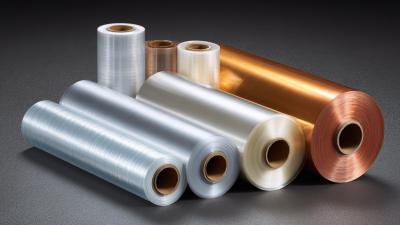
Cross-linked shrink film is a polyolefin-based shrink film whose polymer chains are chemically or physically linked to improve strength, puncture resistance, sealing performance, and resistance to deformation during heat shrinking. |
| Common Material |
Base polymer |
The most widely used base material is polyethylene, including low-density polyethylene and linear low-density polyethylene. Multilayer structures may combine different polyethylene grades to balance shrinkage, toughness, and sealability. |
| Cross-Linking Method |
Typical processing route |
Cross-linking may be achieved through radiation treatment or chemical methods. Electron-beam processing is one recognized industrial route for modifying polyethylene film properties without adding a separate cross-linked layer. |
| Film Structure |
Construction |
The film can be produced as a single-layer or multilayer film. Multilayer construction allows manufacturers to assign different functions to individual layers, such as stiffness, puncture resistance, optical clarity, or heat sealing. |
| Shrink Direction |
Machine direction and transverse direction |
Shrinkage can be engineered in the machine direction, transverse direction, or both. Balanced shrink film is designed to contract more evenly around irregular or bulky products. |
| Shrink Temperature |
Typical operating range |
Many polyethylene shrink films are processed with hot air or other controlled heating systems. The required temperature depends on film formulation, thickness, equipment, line speed, and product shape; operating conditions should be confirmed through packaging trials. |
| Thickness |
Commercial thickness range |
Commercial cross-linked polyethylene shrink films are commonly available in thicknesses from approximately 40 to 200 micrometres, although specialized heavy-duty films may be thicker. The correct thickness depends on load weight, product geometry, and required puncture resistance. |
| Shrinkage |
Typical shrink percentage |
Typical total shrinkage may range from approximately 30% to 80%, depending on the film grade and testing direction. Actual shrink performance should be evaluated under the intended heating conditions rather than by nominal values alone. |
| Mechanical Performance |
Strength and puncture resistance |
Cross-linking generally improves resistance to tearing, puncture, and stress concentration compared with a non-cross-linked film of similar construction. This makes the material suitable for products with corners, edges, or irregular surfaces. |
| Load Holding |
Bundling capability |
After shrinking, the film can form a tight protective skin around grouped products. This helps reduce product movement during handling and transport, provided that the package design and shrink conditions are properly matched. |
| Optical Properties |
Clarity and gloss |
Polyethylene shrink film can provide good transparency and surface gloss, allowing packaged products to remain visible. Optical performance varies with resin selection, additives, film thickness, and processing conditions. |
| Sealing |
Heat-sealing behavior |
The film can be converted into bags, sleeves, or center-folded formats using suitable heat-sealing equipment. Seal temperature, dwell time, pressure, and sealing-jaw condition affect seal integrity. |
| Processing Equipment |
Applicable packaging systems |
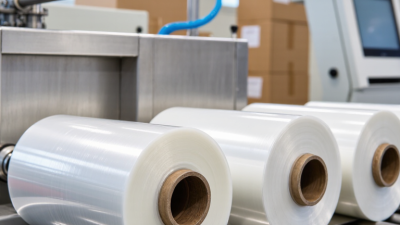
Typical systems include L-sealers, side-sealers, shrink tunnels, hooding equipment, and automated bundling lines. Equipment compatibility depends on film width, thickness, shrink force, sealing window, and package dimensions. |
| Typical Applications |
Product categories |
Common applications include pallet stabilization, construction materials, furniture, mattresses, household goods, industrial components, building products, food multipacks, and large or irregular products requiring protective bundling. |
| Protection Function |
Environmental and handling protection |
The film can help protect packaged goods from dust, moisture splash, abrasion, and minor handling damage. It is not automatically a complete moisture barrier, vapor barrier, or tamper-evident system unless the specific structure is designed for those functions. |
| Sustainability |
Material and recyclability |
Polyethylene films are generally classified as polyolefin materials and may be recyclable where suitable collection and recycling systems exist. Recycling performance is affected by inks, labels, adhesives, additives, contamination, and whether the film is combined with incompatible materials. |
| Quality Control |
Important test items |
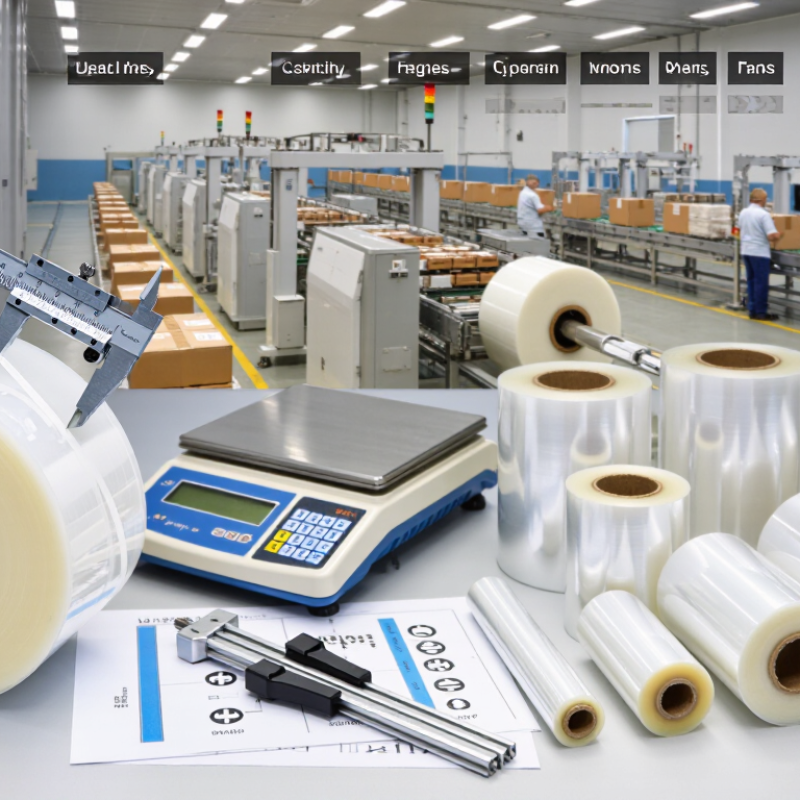
Typical quality checks include thickness, width, tensile strength, elongation, tear resistance, puncture resistance, coefficient of friction, seal strength, shrinkage, shrink force, appearance, and dimensional stability. |
| Relevant Standards |
Testing references |
Testing may refer to recognized ASTM, ISO, or equivalent national methods. The selected method should match the property being measured and should clearly define specimen preparation, conditioning, test direction, temperature, and reporting units. |
| Supplier Evaluation |
Technical selection criteria |
A qualified supplier should be evaluated by resin and layer structure, thickness tolerance, shrink profile, mechanical data, seal performance, roll consistency, production control, application testing, packaging protection, and the ability to provide technical documentation. |
| Application Limitation |
Factors requiring validation |
Film selection should be validated for product weight, sharp edges, package dimensions, tunnel temperature, conveyor speed, shrink force, sealing equipment, storage conditions, and transportation requirements. Laboratory data alone cannot replace a production-line trial. |