China Top Plastic Shrink Wrap Benefits Uses and Applications Explained?
Plastic Shrink Wrap is a vital component in various industries, renowned for its versatility and protective qualities. In 2022, the global plastic shrink wrap market was valued at approximately $12 billion, with expectations to grow by 5% annually over the next five years. This material, known for its ability to conform tightly around products when heat is applied, provides significant benefits in packaging, storage, and transportation.
The applications of Plastic Shrink Wrap span from packaging food items to protecting industrial products. Its durability ensures that goods remain safe from dust, moisture, and physical damage. Companies that utilize plastic shrink wrap often note the efficiency it brings to warehousing and distribution processes. However, the environmental impact of plastic waste raises concerns, prompting some manufacturers to seek sustainable alternatives.
Understanding the pros and cons of Plastic Shrink Wrap is essential for making informed decisions. While it offers numerous advantages, industry experts emphasize the need for responsible usage. Awareness of recycling programs and eco-friendly options is growing. Striking a balance between convenience and sustainability is crucial for businesses navigating the evolving landscape of packaging solutions.
Benefits of Plastic Shrink Wrap in Packaging Industries
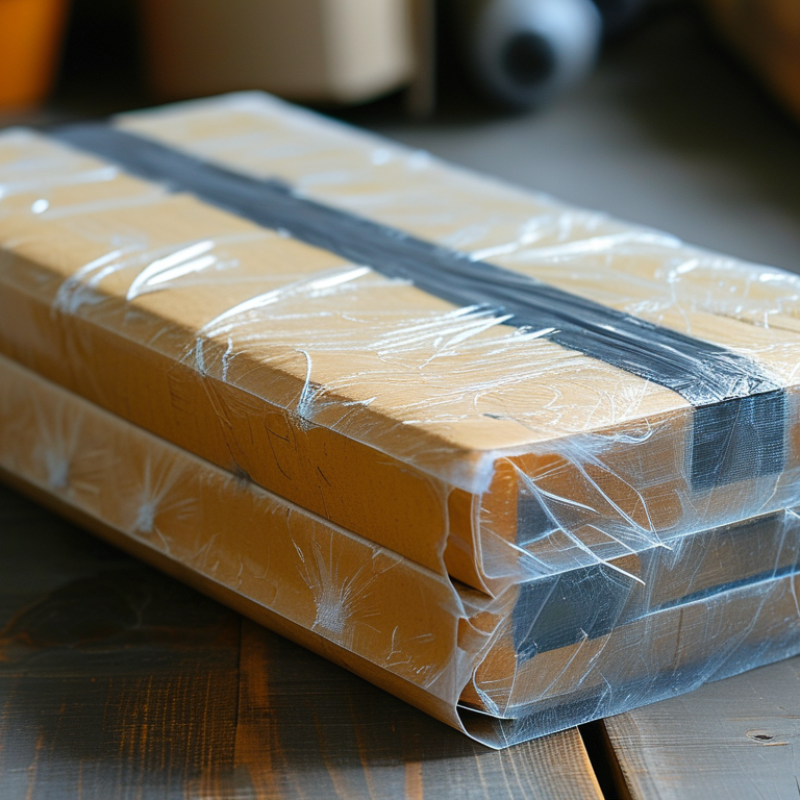
Plastic shrink wrap offers numerous benefits in the packaging industry. Its flexibility allows for secure wrapping of various products, from food to electronics. This material conforms tightly around items, providing a protective layer that safeguards against dust, moisture, and other environmental factors. Many manufacturers prefer this option due to its lightweight nature, which helps reduce shipping costs.
Moreover, shrink wrap is an efficient solution for bundling multiple items together. This effectively streamlines storage and display. It can be customized to different sizes and shapes, making it versatile. However, one must consider the environmental impact of plastic materials. While protective, the disposal of shrink wrap poses challenges. Growing awareness around sustainability prompts industries to reflect on their choices regularly.
In addition, the clarity of shrink wrap enhances product visibility. Consumers appreciate seeing what they are purchasing. Yet, some may argue it lacks the aesthetic appeal that alternative packaging options offer. Balancing functionality with visual appeal can be tricky. Ultimately, businesses must weigh the advantages against potential drawbacks.
Key Applications of Plastic Shrink Wrap Across Various Sectors
Plastic shrink wrap plays a crucial role in various sectors. Its primary benefit is its ability to protect products. This material is widely used in packaging, storage, and transportation. In the food sector, shrink wrap ensures freshness and hygiene. It keeps out contaminants and prolongs shelf life. For retail, it enhances product presentation and prevents tampering.
In construction, shrink wrap serves as a weather barrier. It protects materials from moisture and dirt. This application is vital for maintaining the quality of stored supplies. Moreover, in the manufacturing sector, shrink wrap is often used for bundling multiple items. It streamlines handling and shipping processes.
Tips: Choose the right thickness based on your product. This ensures optimal protection and minimizes waste. Regularly check for any damage during storage. Not all shrink wrap is suited for every purpose, so review specifications closely. Proper training in application can reduce errors and enhance efficiency.
Comparative Analysis: Plastic Shrink Wrap vs. Other Packaging Materials
Plastic shrink wrap is a versatile packaging material widely used for various applications. It offers several advantages over other packaging options. One key benefit is its tight seal. This seal effectively protects products from dust, moisture, and tampering. Additionally, shrink wrap is lightweight and cost-effective, making it suitable for many businesses.
In a comparative analysis, one can see that plastic shrink wrap often outperforms paper packaging. Unlike paper, which absorbs moisture, shrink wrap provides a durable barrier. This barrier keeps products safe during shipping and storage. It also conforms closely to the shape of the product, which minimizes wasted space. In contrast, materials like Styrofoam can be bulky and less environmentally friendly.
Tips: When using plastic shrink wrap, ensure your products are clean and dry before wrapping. This prevents moisture from being trapped inside. Additionally, consider the thickness of the wrap based on the product's fragility. Thicker materials offer more protection but may cost more. Remember, the right packaging can enhance the overall presentation and safety of your products.
Environmental Considerations in the Use of Plastic Shrink Wrap
Plastic shrink wrap is popular for many applications, but environmental concerns play a crucial role in its use. The production of plastic contributes to greenhouse gas emissions. According to a report from the Plastics Industry Association, the USA alone produced 367 million tons of plastic in 2020. A significant part of this ends up in landfills or oceans, causing harm to wildlife.
While plastic shrink wrap is efficient in protecting products, its disposal is a pressing issue. Many users do not realize that it is often not recyclable due to contamination. In fact, the National Waste and Recycling Association states that only 9% of plastic waste is ever recycled. This reality prompts a need for better practices in usage and disposal.
Tips: Always check local recycling guidelines. Some centers do accept specific plastics. Consider alternative materials like biodegradable wraps. They may offer similar protection with less environmental impact. Thoughtfully evaluating shrink wrap use can enhance sustainability efforts.
Market Trends: Growth and Demand for Shrink Wrap Solutions in China
The demand for plastic shrink wrap solutions in China has surged in recent years, driven by growing industrial applications. According to recent data from the China Plastics Processing Industry Association, the market is expected to grow at a CAGR of 4.5% from 2023 to 2028. This growth is primarily fueled by the food packaging and e-commerce sectors. Businesses are increasingly adopting shrink wrap for its durability and cost-effectiveness.
In 2022, the food and beverage industry accounted for approximately 55% of shrink wrap usage in China, highlighting its significance. Shrink wrap provides protection against contamination and ensures product freshness. Additionally, e-commerce packaging has intensified the demand for shrink wrap due to the need for secure and tamper-proof packaging.
While growth is evident, challenges persist. The reliance on single-use plastics raises environmental concerns. Industry advocates are calling for more sustainable materials to address these issues. Transitioning to biodegradable options may take time, but ongoing research is promising. In summary, the plastic shrink wrap market in China is evolving, influenced by both demand and environmental consciousness.
China Top Plastic Shrink Wrap Benefits Uses and Applications Explained
| Benefit |
Use |
Application |
Market Trend |
| Cost-effective |
Product packaging |
Food and beverage |
Increasing demand for economical packaging solutions |
| Durability |
Shipping protection |
Electronics |
Growth in e-commerce driving protective packaging needs |
| Versatility |
Bundling products |
Consumer goods |
Rise in consumer product diversity |
| Enhanced appearance |
Retail display |
Cosmetics |
Trend towards visually appealing packaging |
| Sustainability options |
Environment-friendly packaging |
Eco-products |
Increasing consumer preference for sustainable practices |