Best Shrink Wrap Options for Global Buyers in 2026?
As we look towards 2026, the demand for effective packaging solutions continues to grow. Among these, shrink wrap stands out as a versatile choice for various industries. This transparent plastic film shrinks tightly around products when heated, providing protection and stability during shipping and storage. It is widely used to package everything from food items to electronics.
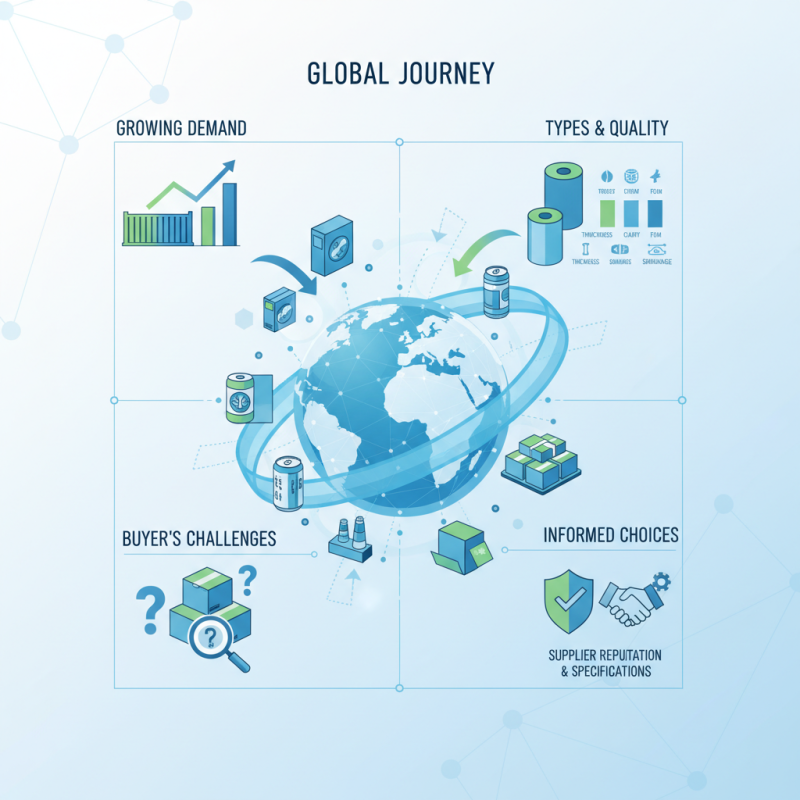
The shrink wrap market is poised for significant evolution. Global buyers face numerous options in quality and type. Different types of shrink wrap serve distinct purposes. They vary in thickness, clarity, and shrinkage percentage, impacting overall performance. Buyers must consider their specific needs when selecting the right shrink wrap.
This journey towards finding the best shrink wrap is not without challenges. With so many products, distinguishing quality from substandard options requires careful assessment. Buyers should focus on supplier reputation and product specifications. Ultimately, making informed choices is crucial to ensure the integrity and reliability of their packaging.
Overview of Shrink Wrap Materials and Their Properties
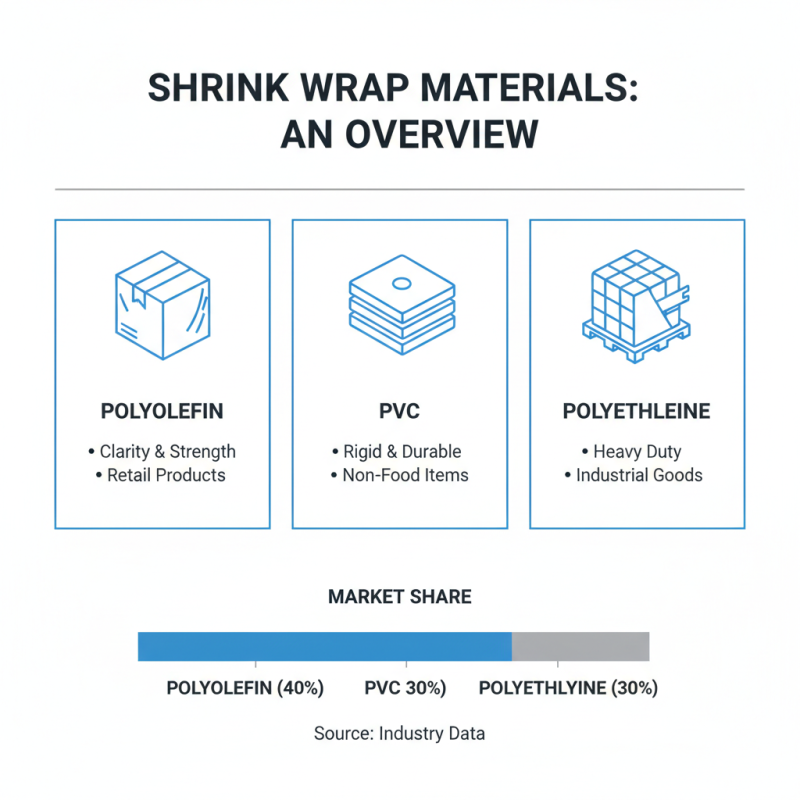
Shrink wrap materials play a crucial role in packaging efficiency and protection. Common types include polyolefin, PVC, and polyethylene. Polyolefin is popular due to its clarity and strength, making it ideal for retail products. According to industry data, polyolefin accounts for 40% of the market share, driven by its versatility.
PVC shrink wrap, while effective, poses environmental concerns. It can be less favorable due to its toxicity during disposal. The shift towards eco-friendly options highlights the need for innovation. As reported, the demand for sustainable materials is projected to grow by 25% by 2026, pushing manufacturers to explore alternatives.
Polyethylene remains a solid choice for bulk packaging. It's durable and cost-effective. However, its lesser clarity might hinder its appeal for display purposes. Balancing cost and functionality remains a challenge as businesses aim for optimal packaging solutions. Data from the International Packaging Association shows that 60% of buyers prioritize sustainability alongside performance when selecting materials.
Comparative Analysis of Popular Shrink Wrap Brands
Choosing the right shrink wrap is crucial for various applications. In 2026, options abound, but not all are equal. A comparative analysis reveals that different brands cater to distinct needs. Some provide exceptional clarity, while others focus on durability. Clarity is essential for visual appeal, especially in retail packaging. Customers value seeing the product. Yet, clarity can come at the expense of strength.
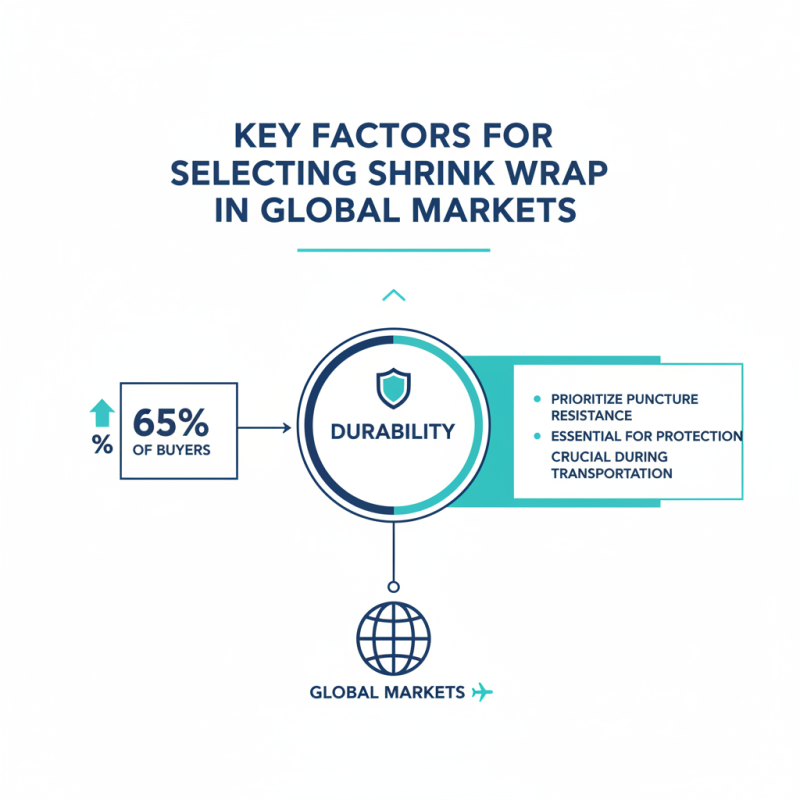
Durability is another critical factor. Certain shrink wraps stand up to harsh conditions. They perform well in transit and storage. Buyers may overlook long-term performance in favor of immediate visual benefits. This can lead to costly damages. Proper research is vital to ensure the chosen product aligns with specific requirements.
The thickness of the film plays an important role, too. Thicker films often offer better protection. However, they can be more challenging to work with. Many users face a learning curve when applying them. It’s essential to weigh the pros and cons. Consider factors like usability, application method, and cost-effectiveness. This will help in making an informed decision that best suits your needs in 2026.
Sustainability Trends in Shrink Wrap Technologies for 2026
In 2026, sustainability in shrink wrap technologies will be crucial for global buyers. Traditional plastics are under scrutiny. Companies are searching for eco-friendly alternatives. Biodegradable and recyclable materials are drawing attention. These options reduce environmental impact. They align with consumer preferences for green products.
Investing in new technologies may initially seem costly. However, adopting sustainable practices can enhance brand reputation. It meets both regulatory requirements and consumer demand. Companies that embrace these changes may find increased loyalty from environmentally conscious buyers.
**Tips:** Consider sourcing materials with certifications. Look for products that demonstrate reduced carbon footprints. Explore local suppliers to minimize transportation emissions. Sustainability is not just a trend; it’s a necessity for the future.
Future Innovations in Shrink Wrap Solutions for International Buyers
In 2026, the shrink wrap industry anticipates revolutionary advancements. With the global shrink wrap market projected to reach $10 billion by 2026, innovations are critical. Reports indicate a growing demand for sustainable options. Buyers are seeking eco-friendly materials that reduce plastic waste. Biodegradable shrink films are gaining traction. These offer similar protective qualities while addressing environmental concerns.
Technological developments enhance the functionality of shrink wrap. Industry experts suggest improvements in application techniques, leading to greater efficiency. Automation and advanced machinery will streamline production processes. For instance, new heat sealers are more energy-efficient and faster. This increases output while lowering operational costs. The industry's move toward digital solutions also presents opportunities. Smart packaging provides real-time data on product conditions, enhancing quality control.
Nonetheless, challenges remain. The transition to sustainable practices often comes with higher initial costs. Not all producers have access to eco-friendly materials. This can create disparities in market competitiveness. Additionally, educating consumers about the benefits of innovative shrink wrap solutions is crucial. As the market evolves, continuous feedback from users will be essential. Balancing innovation with affordability will determine success in the coming years.
Best Shrink Wrap Options for Global Buyers in 2026
| Shrink Wrap Type |
Material |
Thickness (microns) |
Typical Uses |
Environmental Impact |
| Polyolefin |
Polyolefin Copolymer |
15 - 100 |
Food Packaging, Retail Products |
Low environmental impact, recyclable |
| PVC |
Polyvinyl Chloride |
50 - 200 |
Construction, Industrial Products |
Moderate, with concerns about recycling |
| Polyethylene |
Low-Density Polyethylene (LDPE) |
30 - 200 |
Consumer Goods, Pallet Wrapping |
Widely recyclable, lesser impact |
| Shrink Film |
Polyester (PET) |
75 - 300 |
High-end packaging, Electronics |
Can be recycled; environmental initiatives progressing |