What is the Best Shrink Wrap for Your Needs in 2026?
Choosing the right shrink wrap can be a daunting task. In 2026, the variety of options can overwhelm anyone. Understanding your specific needs is crucial. Shrink wrap comes in various thicknesses, materials, and colors. Each type serves different purposes, making informed choices essential for efficiency and effectiveness.
Professionals often debate on the best shrink wrap for their projects. Is the investment worth the higher quality options? Sometimes, budget constraints can limit choices. However, low-quality shrink wrap may lead to disappointing results. End users should assess durability, clarity, and heat retention. Potential issues arise if the wrong shrink wrap is chosen.
Ultimately, knowledge is power when selecting shrink wrap. Don't rush the decision. Research and experience contribute to better outcomes. The best shrink wrap can prevent unnecessary damage and enhance product presentation. Every detail counts in this process. Choose wisely to ensure your shrink wrap meets your expectations.
Understanding the Different Types of Shrink Wrap Available in 2026
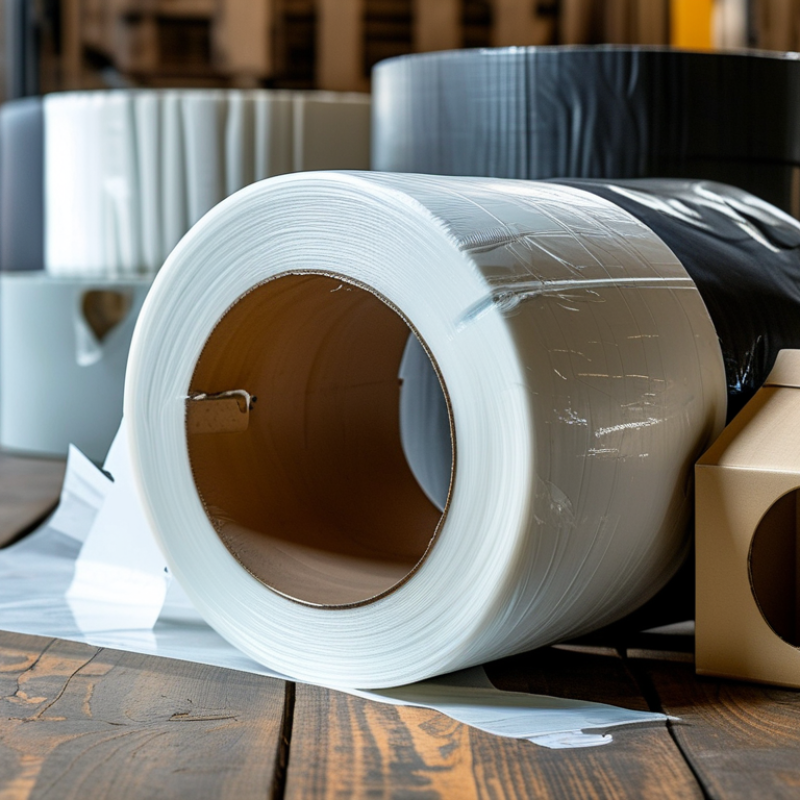
When selecting shrink wrap, it’s essential to understand the various types available in 2026. Each type serves a specific purpose and comes with unique properties. For instance, polyolefin shrink wrap is popular for its clarity and strength. It’s a great choice for food packaging, as it offers excellent barrier protection against moisture and contaminants.
Another option is PVC shrink wrap. This material is easy to work with and is known for its flexibility. It is ideal for bundling items, but may not be as durable in extreme temperatures. Some users find that PVC can be less environmentally friendly, leading to questions about its long-term use.
For heavier or oddly shaped items, consider using industrial-grade shrink wrap. This type is thicker and offers enhanced resistance to punctures. However, it can be challenging to handle, especially for those unfamiliar with shrink-wrapping techniques. Users may need to practice to ensure a tight seal. Understanding these differences can help choose the right shrink wrap for your specific needs.
What is the Best Shrink Wrap for Your Needs in 2026?
| Type of Shrink Wrap |
Thickness |
Common Uses |
Heat Source |
Environmental Impact |
| Standard Polyolefin |
60 - 75 microns |
Retail packaging, food items |
Heat gun, electric shrink wrap machine |
Recyclable, low environmental impact |
| PVC Shrink Wrap |
50 - 100 microns |
Furniture, industrial products |
Heat gun, ovens |
Less environmentally friendly, not universally recyclable |
| Polyethylene (PE) Shrink Wrap |
100 - 200 microns |
Pallet wrapping, large products |
Heat gun, electric shrink wrap machine |
Less recyclable, but widely used in packaging |
| Biodegradable Shrink Wrap |
70 - 80 microns |
Eco-friendly packaging, food items |
Heat gun, electric shrink wrap machine |
Environmentally friendly, designed to break down |
| Cross-linked Polyolefin |
75 - 100 microns |
Heavy-duty products, medical equipment |
Heat gun, electric shrink wrap machine |
Recyclable, durable with reduced environmental impact |
Key Factors to Consider When Choosing Shrink Wrap for Your Project
Choosing the right shrink wrap requires a careful consideration of several key factors. The type of materials, size, and thickness of the shrink wrap can significantly impact the effectiveness of your project. Industry reports indicate that around 75% of users prefer polyolefin-based films for their durability and clarity. These films are not only versatile but also provide strong protection against moisture and contaminants.
It’s essential to assess the environmental conditions where the wrap will be used. For instance, projects exposed to UV light or extreme temperatures may require specialized shrink wrap. Data suggests that shrink films with UV inhibitors can extend shelf life by up to 30%. This consideration is critical for outdoor applications, particularly in regions with harsh climates.
Additionally, the choice of shrink wrap thickness can affect both cost and performance. Thinner materials may save money upfront but could lead to more frequent replacements. Conversely, heavier wraps offer better puncture resistance but come at a higher price. Making an informed decision requires a balance between budget constraints and the desired durability of your packaging solutions.
Comparing Cost-Effectiveness of Various Shrink Wrap Options
When choosing shrink wrap, cost-effectiveness is crucial. Different types serve distinct needs. For packaging, consider both thickness and shrink ratio. Thinner materials may save money initially but might not withstand longer storage. Heavy-duty wraps could seem pricier but often offer better protection.
Tips for selection:
- Assess your storage conditions. Moist environments require certain wraps.
- Think about ease of application. Some wraps are simpler to use without heating tools.
Don't overlook the total cost of ownership. Cheaper options may lead to replacement or damage. Reflect on past experiences. Was durability a concern? Were there issues with application? These insights shape future choices in shrink wrap.
Evaluate environmental impact too. Some wraps are recyclable, while others may not be. Weigh the benefits of lower costs against potential disposal costs later. Consider what aligns with your values, especially in sustainability.
Environmental Impact of Shrink Wrap: Eco-Friendly Alternatives in 2026
Shrink wrap has long been a popular packaging material, but its environmental impact raises concerns. In 2026, the demand for **eco-friendly alternatives** is growing. Traditional plastic shrink wraps contribute significantly to plastic waste and greenhouse gas emissions. A report by the Environmental Protection Agency states that around 8 million tons of plastic end up in oceans each year. This calls for a shift toward sustainable options.
Biodegradable and compostable shrink wrap varieties gain traction. Materials like PLA (polylactic acid) offer promising properties. They break down more easily in landfills and can reduce the carbon footprint by up to 50%. However, the production of these materials needs careful attention. Not all biodegradable wraps are created equal; some require specific conditions to decompose. Educating consumers on proper disposal is crucial.
Tips:
- Always check the certifications of your shrink wrap.
- Look for products labeled as compostable or biodegradable.
- It’s vital to research the conditions they require for breakdown.
- Relying solely on the term "eco-friendly" can be misleading.
- Choose shrink wraps that suit your needs while being mindful of their life cycle impact.
Remember, small changes can lead to significant environmental benefits over time.
Application-Specific Recommendations for Choosing Shrink Wrap Solutions
Choosing the right shrink wrap is crucial for different applications. For packaging food items, opt for breathable materials. These help maintain freshness without trapping moisture. If you are wrapping delicate items, consider a thicker gauge shrink wrap. This provides better protection against impacts and punctures.
For outdoor applications, UV-resistant shrink wraps are essential. They withstand harsh weather conditions without degrading. In contrast, if you’re shipping items, a clear shrink wrap is best. It allows for easy visibility and branding. Ensure the chosen material can withstand temperature variations during transit.
Lastly, always evaluate your specific needs. Not all shrink wraps are created equal. Experimenting with different types may lead to discovering what truly works for your products. Customizing the thickness and width can also change performance dramatically. Keep in mind that while one solution seems perfect, a different application may reveal its shortcomings.