Which Shrink Wrap Is Best for Global Buyers in 2026? This question sounds simple, but the answer depends on product shape, shipping conditions, equipment, and market expectations. A clear film that performs well in a dry warehouse may fail after weeks at sea. Heat, humidity, sharp edges, and unstable pallets can expose weak packaging quickly.
Walter Soroka, author of Fundamentals of Packaging Technology, described packaging as “the science, art and technology of enclosing and protecting products for distribution, storage, sale, and use.” His principle remains useful when comparing Shrink Wrap for international supply chains. The best choice is not always the thickest film. It may be polyethylene for heavy cartons, polyolefin for clean retail presentation, or another structure matched to the sealing system. Small details matter. Film thickness, puncture resistance, shrink temperature, roll width, and core size can affect the entire packing line.
Performance comes first.
Global buyers should also review supplier testing, batch consistency, technical data sheets, and responsible material claims. Recyclability can be valuable, but it should not be accepted without checking the actual film structure and local collection systems. Regional packaging requirements may also differ, so professional verification remains sensible.
There is no perfect universal film. That is the uncomfortable part. A cheaper roll may create torn corners, rework, and delayed shipments. A premium film may offer little benefit for a light, stable product. This guide compares practical options for 2026, while recognizing that real warehouse trials often reveal what laboratory specifications miss.

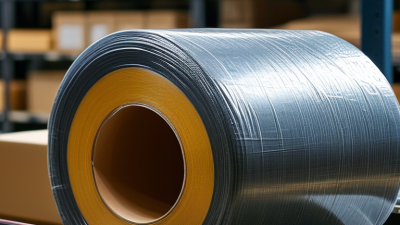
Shrink wrap is a thin polymer film that tightens around products when exposed to controlled heat. It creates a close-fitting layer around cartons, trays, and irregular items. The film helps reduce dust, moisture contact, surface scratches, and movement during handling. It looks simple. However, film choice affects the final package significantly.
Global buyers need shrink wrap because products may pass through warehouses, ports, trucks, and humid storage areas. A stable wrap can keep several small boxes together and reduce shifting on a pallet. For example, a wrapped carton should remain firm after vibration, while its corners should not split easily. Buyers should compare film thickness, puncture resistance, shrink ratio, clarity, roll length, and sealing performance.
Packaging trials often reveal problems that product samples hide. A film may look strong but tear around sharp carton edges. Another may shrink well but become brittle in cold storage. This is where technical specifications and test records matter. Buyers should request sample rolls and test them with their actual cartons, heat settings, and packing speed. I once underestimated the effect of uneven heating; the wrap tightened on one side and left loose folds on the other. That mistake showed why supplier claims need practical verification.Small gaps matter.
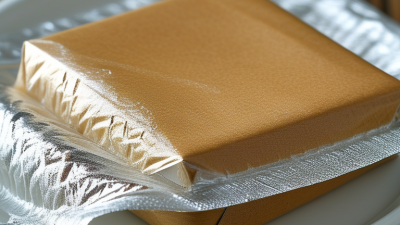
PE, PVC, and polyolefin films behave differently under heat, pressure, and transport stress. PE shrink film offers strong puncture resistance and suits bulky cartons, pallets, and construction materials. Its appearance is usually less glossy. PVC provides clear presentation and tight shrinkage, but it can become brittle in cold warehouses. Its chlorine content may also complicate recycling decisions. Polyolefin delivers balanced clarity, toughness, and reliable seals. It fits food, cosmetics, and retail packs, although its price is often higher. Field handling matters. A beautiful film can still fail around sharp corners.
Smithers’ 2024 flexible packaging outlook valued the global market at about US$300 billion in 2023. It also forecasts continued growth through 2028. This trend increases pressure for lighter films and clearer material choices. However, market growth does not make one film universally better. Buyers should compare gauge, seal strength, shrink temperature, and local recycling infrastructure. I have seen specifications look perfect on paper, then wrinkle during humid ocean transport. That uncomfortable gap deserves testing.
Tips: Request samples in several thicknesses. Test them after heat exposure and long-distance handling. For mixed loads, PE is often the safer workhorse. Choose polyolefin when shelf appearance and toughness both matter. Use PVC only after checking destination requirements, equipment settings, and disposal pathways. A small pilot shipment can reveal more than a confident spreadsheet.
For global buyers, shrink wrap quality depends on measurable performance, not a glossy sample. Smithers’ The Future of Global Packaging to 2028 values the worldwide packaging market at more than $1.2 trillion by 2028, increasing pressure on films to perform consistently across long supply chains. A reliable film should show stable gauge, predictable shrink ratio, and strong seals. It must also tolerate vibration, cold storage, and rough carton edges.
Test the film on the actual machine. Measure shrink force at the intended temperature, then check puncture resistance and seal strength. ASTM D882 tensile testing can reveal weak orientation, while ASTM D2732 helps measure free shrink. According to Grand View Research, the global shrink films market is projected to grow steadily through 2030, driven by food, beverage, and logistics packaging demand. That growth does not guarantee quality.
Clarity matters for inspection. So does seal integrity. A film that shrinks quickly may still tear during transport. Excessive shrink force can crush lightweight products or distort printed cartons. I have seen attractive samples fail after temperature changes. That is easy to overlook. Buyers should request batch data, tolerance ranges, and production samples from different lots. Sustainability claims also need scrutiny; thinner film reduces material use only when downgauging does not increase breakage, rework, or product loss. The best specification is sometimes less ambitious, but more repeatable.
Which Shrink Wrap Is Best for Global Buyers in 2026?
Climate, Regulations, and Shipping Affect Film Selection
The best shrink film depends on the route, not only the product. The WMO reported 2024 as the warmest year recorded, at about 1.55°C above the pre-industrial average. Heat can soften poorly selected film inside containers. Cold can make it brittle. Buyers should request performance tests across the expected temperature range.
Shipping conditions matter too. UNCTAD reports that maritime transport carries over 80% of global merchandise trade. A pallet may face humidity, salt air, vibration, and long storage periods. Thicker film is not always safer. A high-strength polyethylene film can reduce material use while maintaining load stability. Still, unstable pallets often reveal weak wrapping settings, not weak film.
Regulation is changing the purchase decision. The OECD’s Global Plastics Outlook found that only 9% of plastic waste was recycled globally in 2019. The EU Packaging and Packaging Waste Regulation, applying from August 2026, increases pressure for recyclable and resource-efficient packaging. Mono-material polyethylene structures may simplify recycling assessment, but local systems differ. Check them carefully.
There is no universal winner. My practical preference is a recyclable polyethylene film, validated by puncture, seal, and climate testing. That choice can fail when recycled content, machinery, or humidity changes. Buyers should test real loads before signing annual contracts.
| Film Type | Typical Thickness | Typical Shrink Performance | Climate and Product Fit | Shipping Considerations | Regulatory and Recycling Profile | Best Use in 2026 |
|---|---|---|---|---|---|---|
| Polyolefin (POF) | 10–25 microns | High clarity; commonly designed for approximately 50–75% shrinkage, depending on grade and equipment | Suitable for retail packs, printed cartons, food-contact applications, and products needing clear presentation; performance should be validated after exposure to heat and humidity | Lightweight and compact; use edge protection and stable cartons because thinner film can be more vulnerable to puncture from sharp corners | Usually polyolefin-based and generally compatible with polyethylene/polyolefin recycling streams only where local systems accept the structure; avoid unverified multilayer combinations | A strong default for consumer-facing packaging when appearance, low material use, and clean sealing are priorities |
| Low-Density Polyethylene (LDPE) | 30–150 microns | Moderate shrinkage; many shrink grades provide approximately 10–30% shrinkage with strong tear resistance | Well suited to humid, dusty, and outdoor logistics environments; useful for irregular, heavy, or sharp-edged loads | Generally more forgiving during long ocean and truck transport; select UV-stabilized grades for prolonged sunlight and thicker film for abrasion risk | Commonly identified as plastic resin code 4; recycling access varies substantially by country, film format, contamination level, and collection system | Best all-round option for industrial bundles, export pallets, construction materials, and demanding secondary packaging |
| Linear Low-Density Polyethylene (LLDPE) | 15–100 microns | High puncture and impact resistance; shrink level varies by formulation, commonly from low to moderate shrinkage | Effective for cold-chain distribution, humid ports, and mixed-load pallets; retains flexibility better than many rigid packaging options | Good resistance to handling damage and vibration; confirm film tack and cling performance where condensation may form | Generally part of the polyethylene family and potentially recyclable through suitable film collection programs; local acceptance must be checked before making a recyclability claim | Preferred for high-strength pallet protection and export loads exposed to repeated handling |
| PVC Shrink Film | 20–60 microns | High shrink capability, often approximately 30–50%, with good dimensional conformity | Can provide strong retail appearance, but heat-setting and storage conditions must be controlled to reduce brittleness and distortion | Lower density is not the only shipping factor; chlorine-containing material may create more complex end-of-life and compliance requirements in some markets | Commonly identified as plastic resin code 3; recycling infrastructure is less widely available than for polyethylene, and some buyers restrict PVC in packaging | Use only where product specifications and destination-market requirements clearly permit it |
| Polyethylene (PE) Shrink Hood | 50–150 microns | Low to moderate shrinkage; optimized mainly for load containment rather than display-quality shrink | Strong fit for rain, salt spray, dust, and temperature changes affecting palletized goods | Useful for ocean freight and open-yard storage; add UV protection when exposure may exceed several weeks | Polyethylene-based structure may support film recycling where collection exists; excessive contamination, labels, and mixed materials can reduce recovery options | Best for industrial export pallets, appliances, building products, and moisture-sensitive cargo |
| Recycled-Content PE Film | 30–120 microns | Performance depends on feedstock quality; usually requires tighter control of seal temperature, gauge variation, and puncture resistance | Suitable for many secondary and tertiary packaging applications; test low-temperature flexibility and humidity exposure before global rollout | Can reduce dependence on virgin resin, but inconsistent recycled feedstock may increase film breaks, waste, or package weight if not qualified carefully | Supports recycled-content strategies when chain-of-custody records and jurisdiction-specific claims are available; percentage claims must be substantiated | Best for buyers prioritizing circularity, provided technical trials and documentation are completed |
| Biodegradable or Compostable Film | 15–100 microns | Highly material-specific; shrink, sealing, shelf life, and moisture resistance can differ substantially from conventional PE or POF | May be unsuitable for high heat, prolonged humidity, or long storage unless the exact material has been validated for those conditions | Long-distance shipping requires protection from moisture and temperature extremes; “compostable” does not mean suitable for marine, soil, or home-compost conditions | Must meet the destination market’s applicable compostability standard and labeling rules; it should not be mixed with conventional plastic recycling unless explicitly accepted | Choose only for a verified end-of-life pathway, not as a general substitute for recyclable PE or POF |
Choosing shrink wrap starts with the product, not the lowest quoted price. A packaging engineer should check size, weight, edges, surface sensitivity, and shipping conditions. Polyolefin film suits many retail and food-contact applications when approved for that use. PVC can offer clear presentation, but its performance and disposal requirements need closer review. For heavy cartons, thicker polyethylene film may provide better puncture resistance. Do not confuse thickness with strength.
Measure the product and allow enough film for controlled shrinking. A tight fit can look professional. Too much tension can crush corners or distort labels. Match the film to your equipment, whether it uses hot air, a heat tunnel, or manual tools. Check shrink direction, sealing temperature, and machine speed with sample packs. I recommend testing cold storage, humidity, vibration, and rough handling before a large order. Laboratory results alone may miss warehouse problems.
Global buyers should request a technical data sheet, safety information, batch traceability, and consistent roll dimensions. Confirm applicable food-contact, recycling, and transport requirements in the destination market. Claims such as “eco-friendly” need evidence, not attractive wording. A recyclable structure may still fail local collection systems. This is where many purchase decisions become too optimistic. Start with a small trial, record failures, and revise the specification before scaling.