Best Shrink Packaging Roll Options for Your Business Needs?
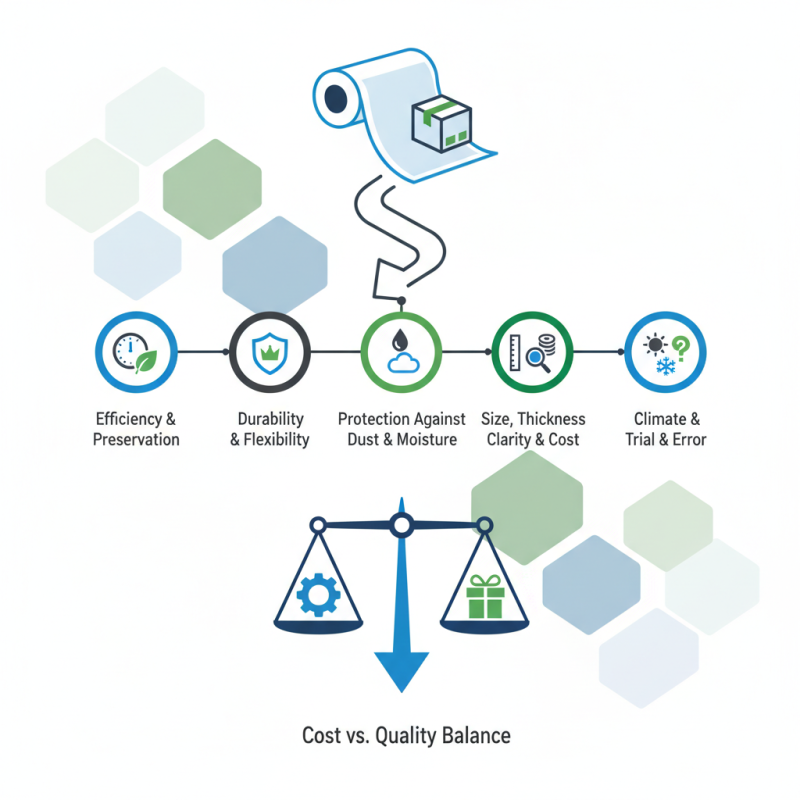
In today's fast-paced business world, packaging plays a crucial role. For many companies, choosing the right Shrink Packaging Roll can significantly impact efficiency and product preservation. This type of packaging is not just practical; it also showcases your brand. Businesses often overlook how the right material can enhance product appeal.
A quality Shrink Packaging Roll offers durability and flexibility. It can securely wrap various items, from fragile goods to bulk products. The tight seal protects against dust and moisture, ensuring product integrity. Yet, many businesses struggle to find the perfect fit.
Factors such as size, thickness, and clarity matter. Some may select the cheapest option but later regret it. Additionally, not all shrink films perform the same way in different climates. Searching for the best Shrink Packaging Roll often requires trial and error. Finding that balance between cost and quality is crucial for success.
Understanding Shrink Packaging: Benefits and Applications for Businesses
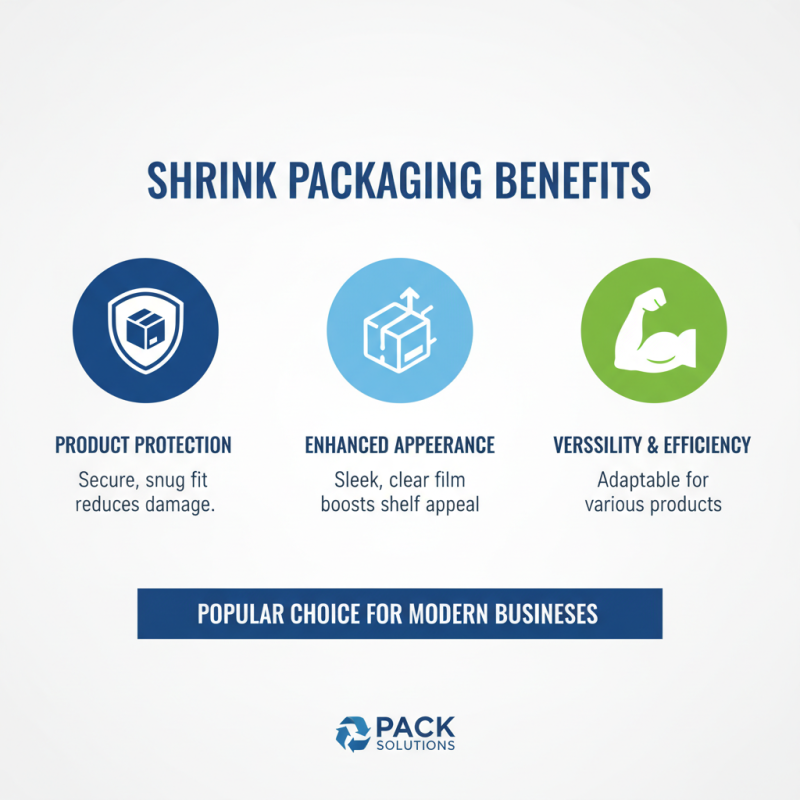
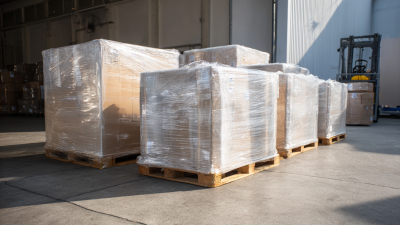
Shrink packaging is becoming increasingly popular among businesses. It offers numerous benefits, making it an attractive option for many industries. This type of packaging securely wraps products with a plastic film that shrinks when heated. The result is a snug fit that not only protects the items but also enhances their appearance. Visually appealing products can stand out on shelves, attracting potential customers.
One significant advantage of shrink packaging is its versatility. It can accommodate products of various shapes and sizes. From food items to electronics, shrink wraps provide a tailored solution for diverse needs. Many businesses notice an improvement in shelf life when using shrink packaging. This packaging method creates a barrier against moisture and contaminants. However, some companies may face challenges when selecting the right shrink packaging roll. Understanding material properties is crucial. What works for one product might not be ideal for another. Experimentation and testing may be necessary to find the best fit.
Despite its benefits, not all shrink-wrapped products are perfect. There might be issues with consistency in the shrink process. Overheating can lead to damage, while under-heating might leave items loosely packed. It's essential for businesses to monitor their processes closely. Balancing efficiency and quality requires constant reflection. This ongoing evaluation ensures that products are both protected and presented well.
Key Factors to Consider When Selecting Shrink Packaging Rolls
When selecting shrink packaging rolls, several key factors come into play. The material type is crucial. Polyethylene (PE) and polyolefin (POF) are popular choices. POF is stronger and more clear, making it ideal for high-quality displays. PE, on the other hand, is often more cost-effective and suitable for less delicate items. According to a 2022 market report, POF accounted for 40% of the shrink film market due to its superior clarity and performance.
Size options matter significantly. Shrink rolls come in various widths and thicknesses. Selecting the appropriate size is vital for optimal sealing and wrapping efficiency. A poor size choice can lead to product damage. Inadequate sealing might also increase return rates. The market has seen a steady demand for customizable sizes to meet specific business needs. Reports indicate that 55% of businesses prefer customizable options for enhanced flexibility.
Another consideration is the shrink temperature and speed. Different products require different temperature settings during the shrinking process. High-speed machinery might not be compatible with all film types, leading to production hiccups. Companies must assess their operational capacity carefully. An industry survey highlighted that 75% of businesses experienced minor delays in their production due to unsuitable shrink films. It’s essential to align your packaging strategy with your equipment for the best outcomes.
Comparing Different Types of Shrink Film: Polyolefin vs. PVC
When considering shrink film for packaging, two popular options stand out: polyolefin and PVC. Polyolefin is known for its flexibility and durability. It provides a clean, professional appearance. This film is often chosen for food packaging and retail items. It is resistant to punctures and tears, making it a reliable choice. However, it can be more expensive than other types.
On the other hand, PVC is typically less expensive and easier to find. It's great for items that require basic protection. PVC films can seal tightly, preventing dust and moisture from entering. However, they are less flexible than polyolefin films. In certain applications, they might crack or tear under pressure. Businesses must think carefully about their specific needs.
Both types of films have their advantages and drawbacks. The choice heavily depends on the product being packaged. Companies should consider factors like temperature resistance and packaging speed. Sometimes, it’s not clear which option is best. Testing different films on a small scale could help clarify the decision.
Comparison of Shrink Film Types: Polyolefin vs. PVC
Cost Analysis: How Shrink Packaging Affects Your Bottom Line
Shrink packaging is more than just a protective layer. It can significantly influence your business's profitability. When evaluating shrink packaging rolls, the initial cost is often at the forefront. However, hidden costs can emerge. For instance, the wrong choice of packaging may lead to increased waste or damaged goods. This can hurt your profit margins. A careful analysis is essential.
Tips: Always consider durability during selection. A robust package reduces returns and waste. Also, think about the size and fit. Excess packaging adds to costs but can be tempting for marketing.
Understanding how this packaging type affects your bottom line is critical. While it may seem like a small expense, it can compound over time. Packaging that doesn't last leads to extra costs. Think about labor as well. If the packaging process is inefficient, it can drain resources.
Tips: Optimize your workflow. Train staff on efficient techniques. Engage with suppliers for better deals on bulk purchases. Evaluate your shrink film regularly to ensure it meets your needs.
Market Trends: The Future of Shrink Packaging in Various Industries
The future of shrink packaging shows promising trends across various sectors. As industries focus on sustainability, eco-friendly shrink films are gaining traction. Companies are increasingly opting for materials that are recyclable and biodegradable. This shift meets consumer demand for greener packaging solutions. However, it raises questions about the durability and performance of these alternatives.
In the food and beverage industry, shrink packaging plays a crucial role in extending shelf life. But challenges persist. Some biodegradable films may not perform as well as traditional options in preserving freshness. Brands must balance environmental considerations with product safety. This complexity highlights the need for continued innovation in packaging materials.
Retail environments are also evolving. With e-commerce growth, shrink packaging is adapting to protect goods during shipping. Yet, not all shrink wraps provide adequate protection. Businesses must assess their packaging choices carefully. This ongoing evaluation will ensure they select the right materials that align with their operational needs and customer expectations.