10 Best Shrink Packaging Roll Options for Every Business Need?
In today's competitive market, selecting the right packaging is crucial for any business. The right Shrink Packaging Roll can make a significant difference in product safety, presentation, and brand image. With numerous options available, it might feel overwhelming to choose the best one.
Shrink packaging provides a secure and tight fit around products, enhancing durability during shipping. Each roll is designed for specific applications, whether it's for food items, electronics, or industrial goods. Businesses must assess their unique needs to find the ideal solution for their packaging challenges.
Understanding the benefits of different types of Shrink Packaging Rolls is essential. Factors like material, size, and thickness impact performance. While the choices can be daunting, knowing what works best for your products can lead to improved customer satisfaction and reduced damages. Selecting the right roll is not just about aesthetics; it’s about reliability and effectiveness in protecting your valuable items.
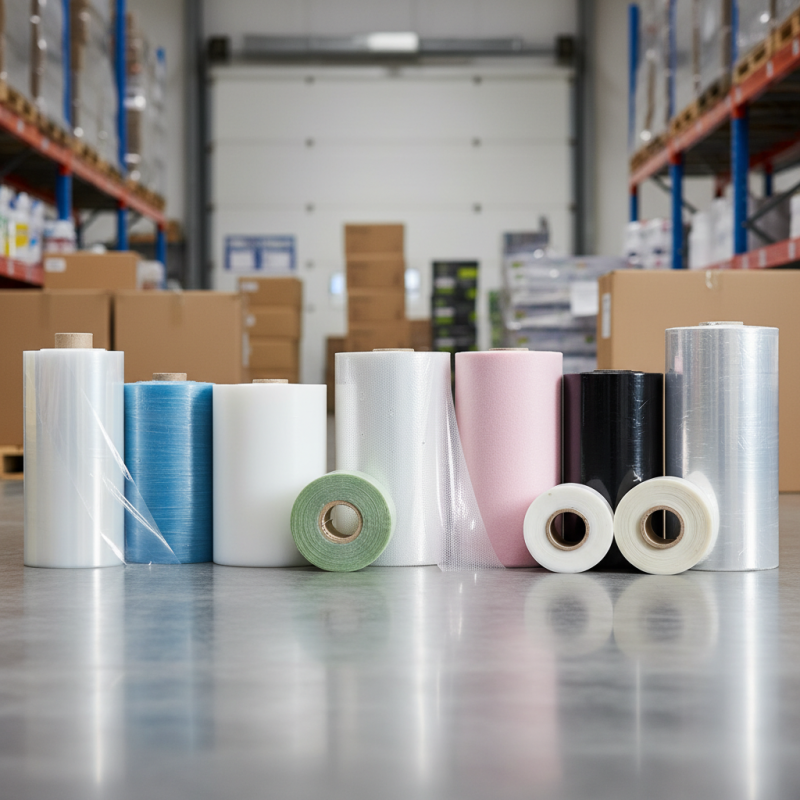
Understanding Shrink Packaging: Definition and Benefits
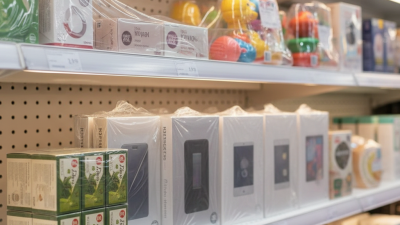
Shrink packaging is a versatile solution that many businesses utilize for product protection and presentation. But what exactly is shrink packaging? It involves using plastic films that shrink tightly around products when exposed to heat. This process provides a custom fit, minimizing space and enhancing visibility. Companies often choose shrink packaging to improve shelf appeal and reduce materials used in shipping.
The benefits of shrink packaging are numerous. It effectively protects items from dust, moisture, and damage during transit. Many businesses also appreciate its tamper-evident features, which enhance product security. Furthermore, shrink packaging can be eco-friendly. Some films are made from recyclable materials, promoting a greener approach. However, the choice of shrink wrap can be complicated. Not all films work the same way. Temperature settings and equipment can affect results. Therefore, understanding specific needs is crucial for optimal results.
Types of Shrink Packaging Rolls Available in the Market
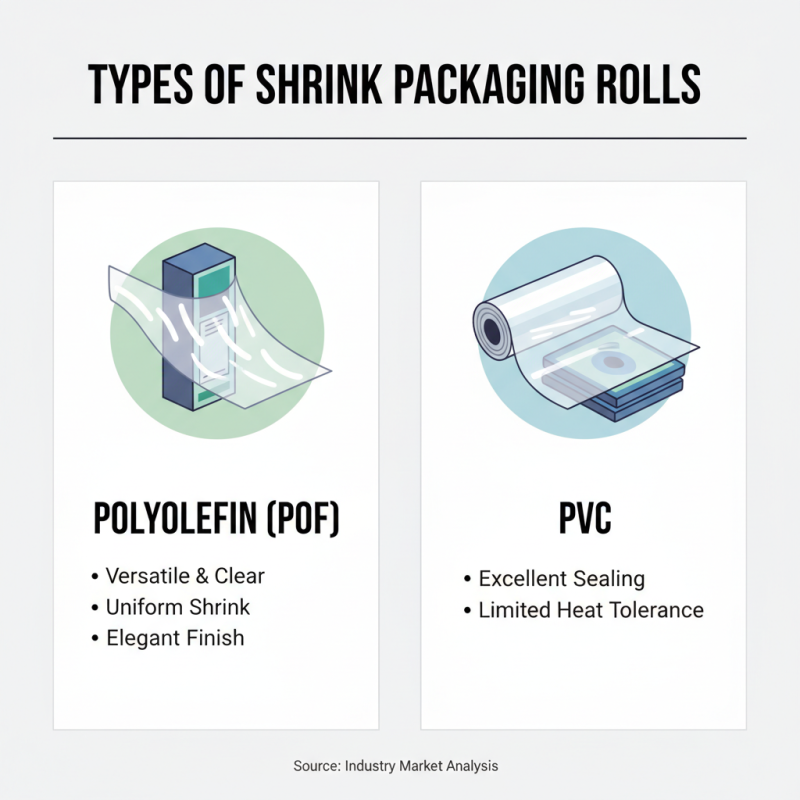
When exploring shrink packaging rolls, it's essential to understand the various types available. Shrink film options vary widely based on materials and applications. Polyolefin is a commonly used type, known for its versatility and clarity. It shrinks uniformly, providing an elegant finish for retail packaging. Another popular choice is PVC shrink film, which offers excellent sealing capabilities but may have limitations on heat tolerance.
Beyond these, there are multi-layer films that combine different materials to enhance durability. These films often offer superior protection against moisture and punctures, making them ideal for fragile products. Additionally, specialty shrink films, such as those designed for high-temperature applications, cater to specific industries where heat resistance is crucial.
Businesses must also consider the thickness of shrink rolls. Thinner films can save on costs but might not provide the desired protection. On the other hand, thicker films may add weight and increase shipping costs. Evaluating the balance between cost and functionality is critical. Each type of shrink packaging roll has its advantages and potential drawbacks. Selecting the right one requires understanding the unique needs of your products.
Key Factors to Consider When Choosing Shrink Packaging Rolls
When selecting shrink packaging rolls, several key factors must be considered.
Material type is crucial.
Polyolefin is popular due to its clarity and strength.
PVC offers cost-effectiveness but can be less flexible.
According to a 2022 industry report, 75% of businesses prefer polyolefin for its superior performance in various applications.
Another important aspect is thickness. Thicker rolls provide better protection
but can be harder to work with. A recent study indicates that shrink films with a thickness of 75 to 100 gauge
are optimal for many products. Moreover, consider the roll width. It should match the product dimensions closely,
ensuring minimal waste during the packaging process.
Temperature resistance
is another factor. Packaging must withstand heat without compromising integrity. Data shows that over
60% of users report issues with films melting or losing shape.
This demonstrates the importance of quality control in material selection. Take time to assess these factors.
The wrong choice can lead to poor packaging results, impacting brand reputation.
Top 10 Shrink Packaging Roll Options for Different Business Needs
When selecting shrink packaging rolls, businesses should consider various factors. Different products require specific types of packaging to ensure safety and presentation. Some shrink rolls are thicker and ideal for heavy items. Others are lighter, perfect for delicate products. Understanding these differences is crucial.
Various sizes and materials are available for shrink packaging. Polyolefin is known for its strength and clarity. PVC rolls are less expensive but may not hold up as well under high temperatures. Users must assess their product needs and budgets carefully. An ideal solution enhances product protection while appealing to customers.
Packaging isn't just about covering items. It should convey quality and professionalism. Businesses often overlook how packaging can affect customer perception. A poorly chosen material can detract from a product’s appeal. Reflection on these choices highlights areas for improvement in packaging strategies.
Top 10 Shrink Packaging Roll Options for Different Business Needs
Best Practices for Using Shrink Packaging in Your Operations
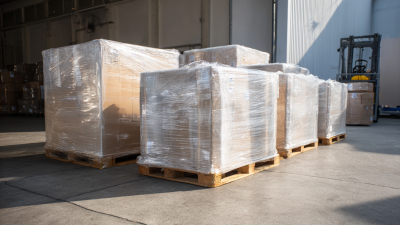
Shrink packaging is essential in various industries due to its versatility and effectiveness. According to a report by Smithers Pira, the global shrink film market is expected to reach $7.9 billion by 2024. This growth reflects an increased demand for efficient packaging solutions. Proper use of shrink packaging can enhance product visibility while providing protection during transportation and storage.
When implementing shrink packaging, businesses should prioritize the selection of high-quality materials. Using inferior films often leads to packaging failures, such as punctures or inadequate sealing. A survey from the Packaging Machinery Manufacturers Institute indicates that 21% of packaging waste occurs due to material defects. This highlights the importance of investing in reliable shrink films that are suited to the product type and environmental conditions.
Moreover, training employees on correct shrink wrapping techniques is crucial. Misapplication can result in wasted materials and increased costs. Implementing best practices such as utilizing appropriate heat settings, maintaining machinery, and regular quality checks can significantly reduce errors. A recent Indeed report found that businesses that focus on employee training see a 24% reduction in operational mistakes. Addressing these areas can lead to better efficiency and sustainability in packaging operations.
10 Best Shrink Packaging Roll Options for Every Business Need
| Shrink Film Type |
Width (inches) |
Thickness (microns) |
Length (feet) |
Application |
| PVC Shrink Film |
12 |
50 |
1000 |
Retail Packaging |
| PE Shrink Film |
15 |
75 |
1200 |
Food Packaging |
| PLA Shrink Film |
10 |
30 |
800 |
Eco-Friendly Packaging |
| Hand-held Shrink Film |
18 |
40 |
600 |
Small Items |
| CenterFold Shrink Film |
14 |
60 |
1000 |
Multi-Packs |