What is the Best Shrink Packaging Machine for Your Needs?
Shrink packaging is an essential component in various industries, including food, pharmaceuticals, and consumer goods. According to a report by Market Research Future, the global shrink packaging market is projected to reach $25 billion by 2027. Factors driving this growth include increased demand for product safety and presentation. The Shrink Packaging Machine plays a vital role in achieving these goals efficiently.
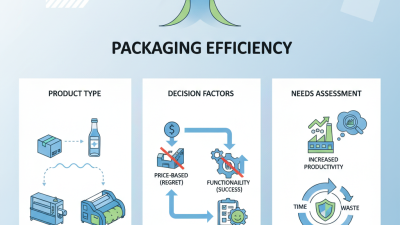
Selecting the right shrink packaging machine is crucial for optimizing operations while meeting industry standards. Not all machines are created equal, and several factors influence the best choice, such as production speed, packaging materials, and available space. As companies strive for sustainability, they also seek machines that minimize waste and utilize eco-friendly materials.
Each machine has its strengths and weaknesses. Understanding your specific requirements can help in making an informed decision. For instance, a high-speed machine may be ideal for large-scale production but may not accommodate smaller products efficiently. Balancing your needs with available resources is vital in this decision-making process.
Understanding Shrink Packaging and Its Applications in Various Industries
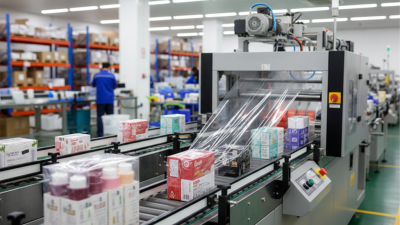
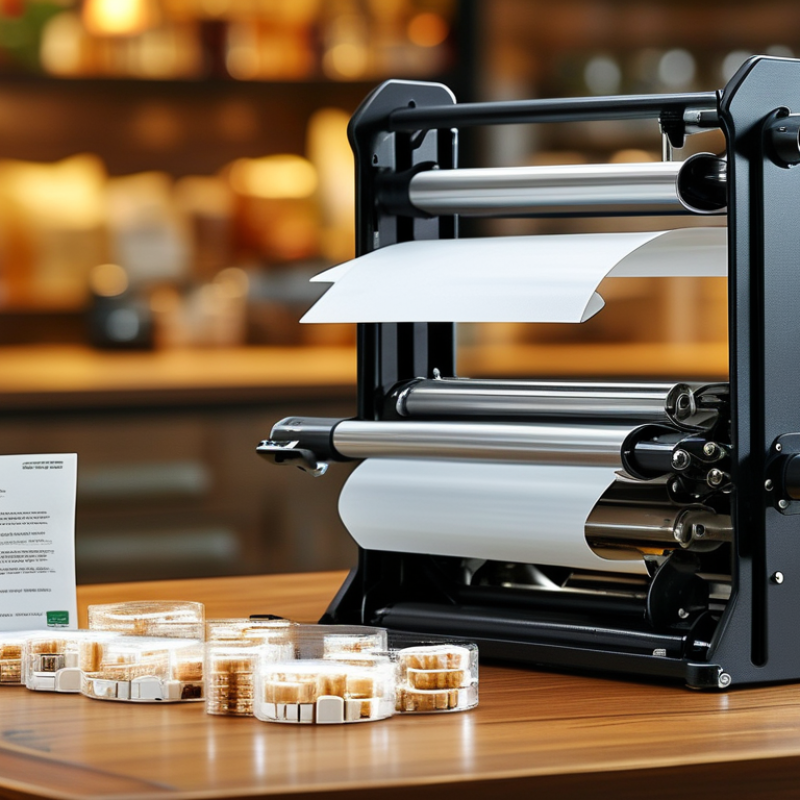
Shrink packaging is an efficient method used across various industries. This technique involves the use of heat to shrink plastic around products, providing a tight and secure seal. This not only protects items but also enhances their presentation on shelves. Industries such as food, pharmaceuticals, and consumer goods utilize shrink packaging for its versatility and effectiveness.
In food packaging, shrink wraps are often used to preserve freshness. They ensure that air and contaminants do not compromise the quality of products. Meanwhile, in the pharmaceutical sector, shrink packaging helps maintain hygiene and safety. However, challenges arise when equipment malfunctions or when the wrong materials are used. It’s vital to choose the right shrink packaging machine that caters to specific needs.
Cost and efficiency are crucial factors. Some machines may be too complex for small operations. Simpler machines may lack advanced features, impacting efficiency. Ultimately, evaluating the intended application, product type, and production volume will guide the choice. Investing time in research and discussions with experts can lead to better decisions. The right machine can make a significant difference in productivity and product quality.
What is the Best Shrink Packaging Machine for Your Needs?
| Machine Type |
Production Speed (packs/min) |
Shrink Film Compatibility |
Application Industry |
Price Range (USD) |
| Semi-Automatic Shrink Wrapping Machine |
10-20 |
PVC, POF |
Food, Beverage |
$2,000 - $5,000 |
| Fully Automatic Shrink Wrapping Machine |
30-60 |
PE, POF |
Cosmetics, Pharmaceuticals |
$10,000 - $25,000 |
| L-Bar Sealer with Heat Shrink Tunnel |
20-30 |
PVC, POF |
Electronics, Household Goods |
$5,000 - $12,000 |
| Shrink Labeling Machine |
15-25 |
PET, PVC |
Beverages, Bottled Products |
$7,000 - $18,000 |
Key Considerations for Selecting the Right Shrink Packaging Machine
When selecting a shrink packaging machine, several key considerations must be addressed. The size and type of products being packaged are critical. For instance, a report by Smithers Pira suggests that the global shrink film market is projected to reach $20.6 billion by 2025. This growth indicates an increasing variety of packaging needs across industries, emphasizing the importance of choosing a machine tailored to specific product dimensions and shapes.
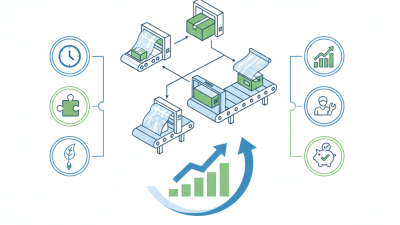
Another vital factor is the production speed. Companies often overlook how a machine’s throughput affects efficiency. A machine with a slower speed could bottleneck the production line. According to industry surveys, nearly 35% of manufacturers prioritize automation to streamline operations. This shift points to the growing need for machines that not only perform well but also integrate into existing systems seamlessly.
Energy consumption is equally essential. Many shrink packaging machines can be energy-intensive. Evaluating potential energy costs can lead to long-term savings. Recent studies indicate that energy-efficient models can reduce operational costs by up to 30%. This reflection is important for companies looking to balance sustainability with budgetary constraints. Ultimately, assessing these factors is crucial for finding the right fit, especially in an evolving market landscape.
Comparative Analysis of Manual vs. Automatic Shrink Packaging Solutions
When choosing between manual and automatic shrink packaging solutions, it's essential to understand their differences. Manual machines require a hands-on approach. They are often suitable for small businesses or low-volume operations. Users control the sealing process, which allows for precision but demands more time and labor. The setup and operation can be simpler, yet the consistency may vary. Workers need training to achieve optimal results.
Automatic shrink packaging machines are designed for higher efficiency. They streamline the process, allowing for faster output. These machines can handle larger volumes and various product sizes. They often include built-in systems for accurate sealing and shrinking. However, the initial investment is typically higher. Maintenance can also be more complex. Businesses must weigh the cost against potential productivity gains.
Both options have their merits. The right choice depends on your specific needs. Consider production volume, budget, and labor capabilities. If you have limited resources, a manual machine may work well. But if you anticipate growth, investing in an automatic solution could save time and improve efficiency. Regular assessment of production needs is crucial for long-term success.
Top Brands and Models: Market Leaders in Shrink Packaging Technology
When considering the best shrink packaging machine, it's important to recognize the leading brands in the market. Reports show that the global shrink packaging market is projected to reach over $28 billion by 2025, reflecting steady growth. Top models often feature advanced automation and energy efficiency, aligning with industry needs. A focus on sustainability has also become crucial, with many machines designed to use less material and energy.
Selecting the right model can be daunting. Look for machines that offer versatility. Some models can handle various product sizes and types without extensive adjustments. This adaptability can save time during production runs, enhancing efficiency. Research indicates that companies investing in flexible machinery see a 25% increase in throughput.
Tips: Always check the machine's maintenance requirements. Regular upkeep can minimize downtime. Also, consider user-friendliness. Operators should easily navigate controls to maximize productivity. This element can greatly affect training time and operational costs. Remember that not all machines fit every application. Evaluate your unique needs carefully before making a decision.
Industry Standards and Safety Regulations for Shrink Packaging Machines
When considering shrink packaging machines, industry standards and safety regulations are crucial. These guidelines ensure both efficiency and worker safety. Machines should comply with OSHA standards to prevent workplace injuries. Regular maintenance checks are vital to maintain compliance and functionality.
Safety features like emergency stop buttons and safety shields must be present. Workers should be trained in machine operation and safety protocols. This training reduces risks associated with packaging machinery. Developing a safety culture in the workplace is essential.
Additionally, manufacturers should meet ISO standards to ensure product quality. Assessing machine certifications can provide reassurance about their reliability. Yet, many companies overlook these details, focusing instead on cost. Ignoring standards may lead to greater long-term expenses due to accidents or product damage. Choosing a machine is not just about price; it is about ensuring safety, compliance, and reliability.