10 Best Shrink Film Types for Your Packaging Needs?
In the world of packaging, "Shrink Film" is an essential material that offers versatile solutions. Industry expert Dr. Emily Chen states, "Choosing the right shrink film can significantly enhance your packaging efficiency." This underscores the importance of understanding different shrink film types available today.
Shrink film serves various purposes, from protecting products to providing an attractive look. For businesses, selecting the appropriate film type can be a challenge. Options like PVC, polyolefin, and polyethylene each have unique benefits and drawbacks. Each type can influence cost, durability, and presentation.
While many choose based on price, quality should not be overlooked. A poorly selected shrink film can lead to product damage or customer dissatisfaction. It's critical to evaluate compatibility with your product and the intended use. As the shrink film market evolves, staying informed is necessary. Make decisions that align with your brand values and packaging needs.
Understanding Shrink Film: A Comprehensive Overview
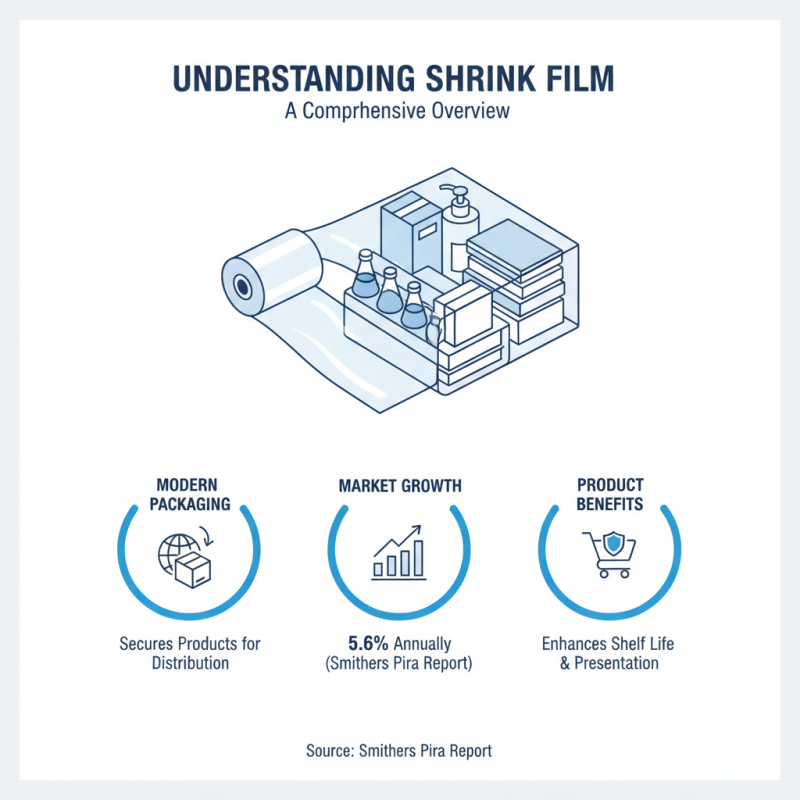
Shrink film plays a crucial role in modern packaging solutions. It is employed across various industries, providing an effective way to secure products for distribution. According to a report from Smithers Pira, the global shrink film market has witnessed growth rates of about 5.6% annually. This data highlights the increasing demand for packaging materials that enhance shelf life and improve product presentation.
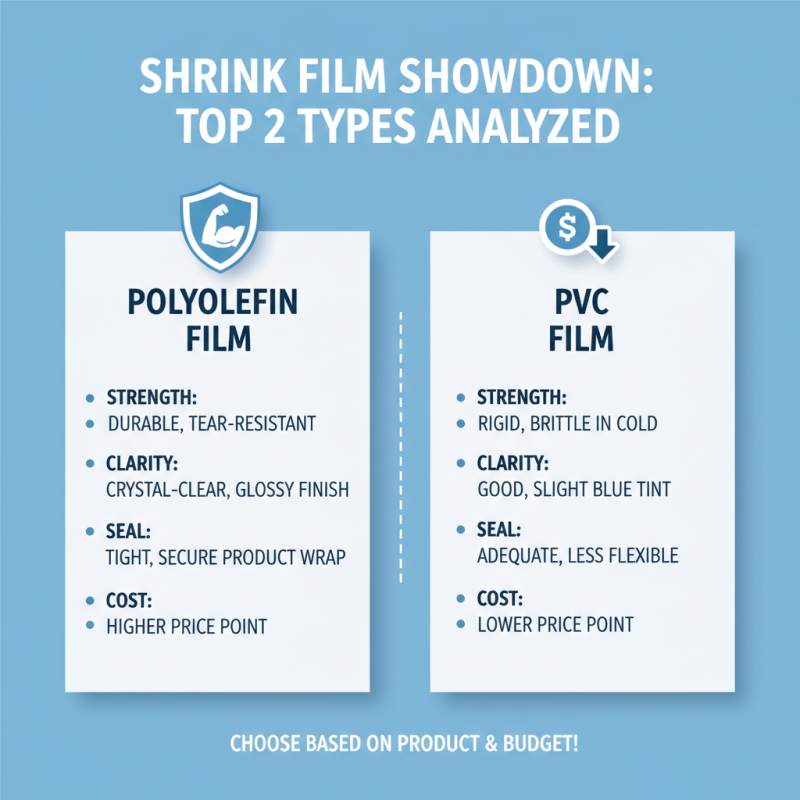
Understanding the different types of shrink films is essential. Polyolefin and PVC are the two most common types. Polyolefin is favored for its versatility and toughness. It can withstand extreme temperatures and offers clarity. In contrast, PVC is known for its cost-effectiveness and ease of use. However, its environmental impact raises concerns. Recent studies indicate that consumers are becoming more conscious of packaging sustainability, pressing industries to rethink their choices.
The choice of shrink film also influences packaging functionality. Many companies find it challenging to balance costs with quality. Some films may perform better in terms of sealing and durability. Yet, they could be pricier. Evaluating the right type for specific applications can be complex. Often, companies need to experiment with different films to find the most suitable option for their needs. This trial and error approach can lead to wasted resources if not managed efficiently.
Key Characteristics of Different Types of Shrink Films
When choosing shrink films for packaging, understanding their unique characteristics is vital. Polyolefin films are popular due to their versatility. They shrink at lower temperatures and are ideal for food packaging. Their clarity enhances product visibility. However, they can be more expensive than other options.
PVC shrink films are another common selection. These films provide excellent clarity and gloss, making them visually appealing. They are easy to handle and can conform tightly to various shapes. Yet, they may not be the best choice for high-temperature applications. Consideration of thermal properties is crucial. Polyester films are known for their strength. They resist punctures and are excellent for heavy products. However, their stiffness may not suit every application.
In contrast, biodegradable options are gaining traction. They appeal to environmentally-conscious consumers. These films decompose under specific conditions. They have varying performance characteristics. Reliability can be inconsistent. Understanding the performance metrics of these different films helps in making informed decisions. Each film type serves unique needs, yet no single choice is flawless. Careful evaluation of the packaging requirements is essential.
10 Best Shrink Film Types for Your Packaging Needs
This bar chart illustrates the shrinkage percentages of various types of shrink films. Each type has its unique characteristics suitable for different packaging needs, which can significantly affect the sealing and protective properties of the packaged products.
Applications of Shrink Films in Various Industries
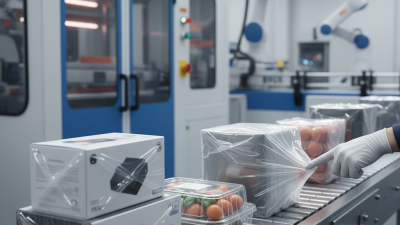
Shrink films are versatile solutions used across various industries. In food packaging, they ensure freshness and safety. The films wrap products tightly, protecting them from contaminants. Similarly, in the pharmaceutical sector, shrink films secure medications, preventing tampering and ensuring integrity.
Retailers often use shrink films for bundling products. This helps in display and reduces theft. In the electronics industry, shrink films protect delicate components from dust and moisture.
Tips for choosing the right shrink film: Consider the product's size and shape. A perfect fit is essential for effectiveness. Also, think about the environmental impact. Some materials are recyclable, while others are not. Ideally, opt for films that balance protection and sustainability.
Comparative Analysis of the Top 10 Shrink Film Types
Shrink films play a crucial role in packaging for various industries. An analysis of different types reveals distinct advantages and limitations. Polyolefin films are widely recognized for their strength and clarity. They form a tight seal around products, enhancing shelf appeal. However, they can be more expensive than alternatives, such as PVC films.
PVC films are cost-effective but may have weaknesses. They are less eco-friendly and not as versatile in temperature applications. While they can effectively shrink at lower temperatures, their durability is often questioned. A study by Smithers Pira highlights that the global shrink film market is expected to reach 4.9 billion USD by 2025, indicating a growing demand for diverse options.
EPS shrink film, known for its lightweight nature, shows high potential. However, it often struggles with punctures. The need for careful handling arises from this flaw. On the other hand, biodegradable films are gaining traction, driven by environmental concerns. Yet, their performance in various processing conditions remains under scrutiny. The continued evolution of shrink film types suggests that businesses must remain vigilant, adapting to emerging solutions and market expectations.
Choosing the Right Shrink Film for Your Packaging Needs
Selecting the right shrink film for your packaging needs involves understanding various factors. The type of shrink film can significantly affect the durability and appearance of your products. For instance, PVC shrink film is popular due to its clarity and ease of use, making it ideal for retail displays. According to the Flexible Packaging Association, PVC usage increased by 2% in 2022, showcasing its ongoing demand.
In contrast, polyolefin films offer a more robust option. Their resistance to tearing and punctures prevents damage during shipping and handling. Data from Smithers Pira highlights that polyolefin films represent a rapidly growing segment in the shrink film market. They are projected to hold 35% of the market share by 2025. However, selecting this material requires consideration of the specific application and budget constraints, as they tend to be pricier than PVC alternatives.
Additionally, the environment plays a crucial role in film selection. Sustainable options like biodegradable shrink films are gaining traction. A report from Packaging Digest indicates that 41% of consumers prioritize sustainable packaging. Despite the rising interest, some businesses may hesitate due to higher costs or limitations in shelf life. Weighing these factors against your packaging goals is vital for making informed decisions.
10 Best Shrink Film Types for Your Packaging Needs
| Shrink Film Type |
Material |
Thickness (Microns) |
Common Uses |
Pros |
Cons |
| PVC Shrink Film |
Polyvinyl Chloride |
30-100 |
Bottles, Containers |
Cost-effective, Good clarity |
Less durable, Environmental concerns |
| Polyolefin Shrink Film |
Polyethylene and Polypropylene |
15-200 |
Food Packaging, Retail Products |
High clarity, Durable |
Higher cost |
| LDPE Shrink Film |
Low-Density Polyethylene |
50-150 |
Pallets, Bundled Products |
Flexible, Good stretch |
Less rigid |
| HDPE Shrink Film |
High-Density Polyethylene |
60-200 |
Heavy-Duty Packaging |
Strong, Resistant to moisture |
May not shrink evenly |
| Shrink Bands |
Various Materials |
50-100 |
Tamper Evidence on Bottles |
Highly visible seal |
Single use only |
| Custom Printed Shrink Film |
Polyolefin or PVC |
30-150 |
Branded Packaging |
Enhances branding |
Higher production cost |
| Multi-Layer Shrink Film |
Composite Materials |
50-300 |
Heavy-duty and industrial use |
Very durable |
Can be more expensive |
| Eco-Friendly Shrink Film |
Biodegradable Materials |
30-150 |
Sustainable Packaging |
Environmentally friendly |
Availability may be limited |
| Cross-Linked Shrink Film |
Polyolefin |
50-150 |
High-Performance Applications |
Superior strength |
More complex manufacturing |
| Heat Shrinkable Tubing |
Various Plastic Materials |
100-600 |
Electrical and Industrial Applications |
Excellent protection |
Can be expensive |