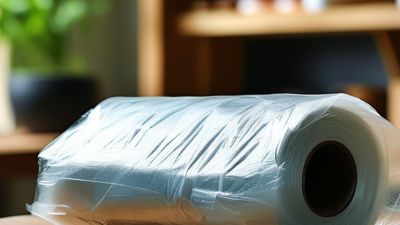
Best Plastic Shrink Packaging Solutions for Global Buyers?
In the fast-evolving world of packaging, Plastic Shrink Packaging stands out as a preferred solution for many industries. Industry expert Dr. Lisa Harris states, "The right packaging can make or break a product's success." This sentiment rings true as global buyers seek effective ways to enhance their product visibility and protection.
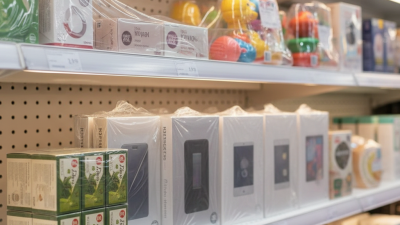
Plastic Shrink Packaging offers versatile options tailored to various needs. It not only provides a snug fit around products but also enhances shelf appeal. When done well, it minimizes waste and promotes sustainability, aligning with modern consumer values. However, the selection process can be daunting; not every option fits every need.
Many buyers face challenges in sourcing the best materials. Some may prioritize cost over quality, resulting in subpar results. It's essential to weigh the benefits and downsides. Engaging with reliable suppliers can lead to better choices and outcomes. Reflecting on the perfect blend of functionality and aesthetics is critical for success in this field.
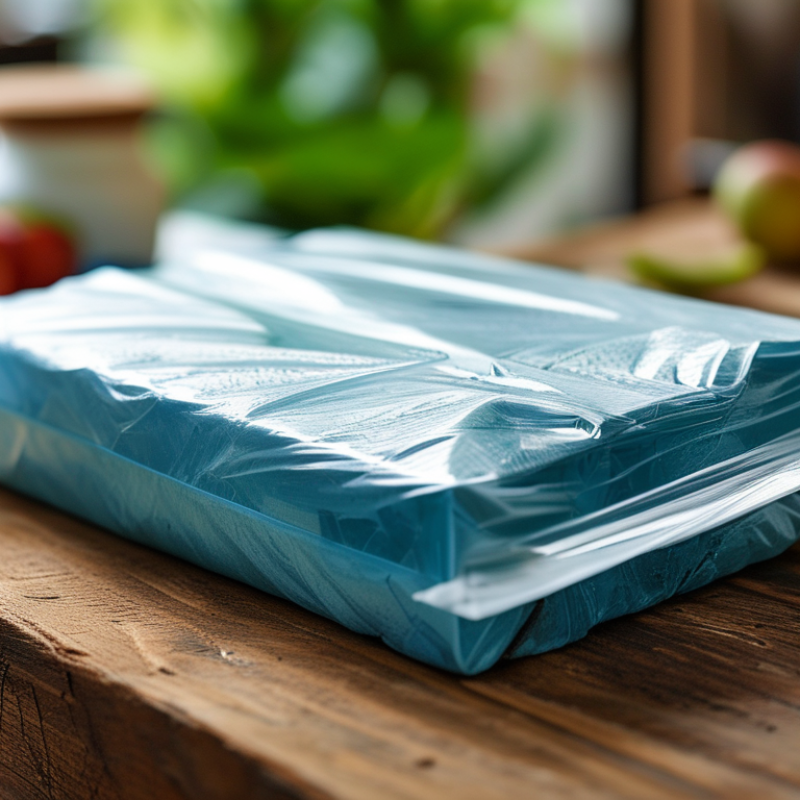
Overview of Plastic Shrink Packaging and Its Applications
Plastic shrink packaging is widely used across various industries. It provides excellent product protection and enhances shelf appeal. In 2021, the market for plastic shrink films reached USD 4.3 billion, with an expected growth rate of about 5.7% annually through 2028. Its applications range from food and beverage sectors to pharmaceuticals and consumer goods. Shrink film adapts to different shapes and sizes, making it highly versatile.
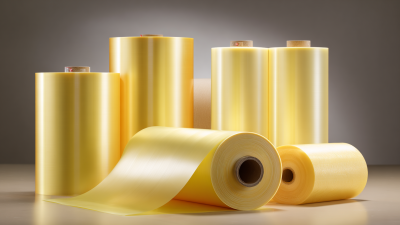
Finding the right shrink packaging solution involves several considerations. Material selection is crucial. Polyolefin is gaining popularity due to its strength and clarity. PVC is also commonly used but presents recycling challenges. Additionally, a more eco-friendly option, biodegradable films, is emerging. Businesses should analyze their specific needs and environmental impacts when choosing materials.
Tips: Always consider equipment compatibility. Ensure the shrink wrap fits your sealing and packaging line. Test compatibility with products early to avoid production issues. Regular maintenance of your machinery is vital for consistent shrink quality. Stay updated on trends and innovations in the industry for maximum efficiency. A proactive approach ensures you remain competitive.
Types of Plastic Shrink Packaging Materials Available in the Market
Plastic shrink packaging offers versatile solutions for various industries. Understanding the types of materials available helps businesses choose the right option. Common materials include PVC, polyethylene, and polypropylene. Each type has unique properties that cater to different needs.
PVC is popular due to its clarity and strength. It provides excellent protection for products and maintains a professional appearance. However, its environmental impact raises concerns. Polyethylene is lightweight and more sustainable. It can shrink down easily while providing decent protection. Many companies are shifting to this material to align with corporate sustainability goals.
Polypropylene, on the other hand, is highly resistant to moisture and chemicals. This makes it ideal for food packaging. However, it can sometimes be less rigid, affecting the final product’s presentation. Businesses must carefully weigh these factors when selecting materials. Different projects might require a combination of these types, leading to a need for creative solutions and ongoing adjustments in their packaging strategies.
Best Plastic Shrink Packaging Solutions for Global Buyers
| Type of Material |
Thickness (microns) |
Shrink Ratio |
Applications |
Recyclability |
| Polyethylene (PE) |
50-200 |
40-60% |
Food packaging, shrink-wrapping |
Yes |
| Polyvinyl Chloride (PVC) |
30-100 |
40-50% |
Consumer goods, electronics |
Limited |
| Polyolefin (POF) |
15-50 |
50-70% |
Retail packaging, bundles |
Yes |
| Acrylic |
100-300 |
30-40% |
High-end products, display items |
Limited |
| Polyester (PET) |
30-100 |
60-70% |
Food and beverage, pharmaceuticals |
Yes |
Key Benefits of Using Plastic Shrink Packaging for Global Buyers
Plastic shrink packaging offers several benefits for global buyers in today's competitive marketplace. It provides superior product protection and enhances shelf appeal. According to industry reports, the global shrink wrap market is expected to reach $8.25 billion by 2025, with a compound annual growth rate of 4.4%. This growth is driven by the increasing demand for packaged goods, especially in the food and beverage sectors.
One critical advantage of plastic shrink packaging is its role in extending product shelf life. The technology prevents moisture accumulation and protects against external contaminants. It also improves the visual presentation of products, making them more attractive to consumers. Additionally, shrink packaging is versatile and can accommodate various shapes and sizes.
Tip: When choosing shrink wrap materials, consider factors like clarity, strength, and heat tolerance. Look for options that balance durability with cost-effectiveness. Remember, not all materials perform the same under different conditions. Conduct tests to determine which type meets your specific product needs.
Another key point is the sustainability aspect. Many manufacturers are now focusing on recyclable materials for shrink packaging. However, be mindful that not all recyclable solutions perform equally. The market is still evolving in this area, and it’s important to verify authentic claims regarding sustainability before making a choice.
Factors to Consider When Choosing Plastic Shrink Packaging Solutions
When selecting plastic shrink packaging solutions, several key factors play a vital role. Quality and durability of the material are paramount. Look for shrink films that can withstand transportation and handling. They should provide ample protection for the products inside. A thicker film often offers better protection, but weigh that against the cost.
Cost-effectiveness is also crucial. Calculate the overall expenses, including purchasing, shipping, and storage. Sometimes cheaper options can lead to higher costs in the long run due to breakage or product loss. Balancing quality and cost is essential, and this demands careful consideration.
Tips: Always conduct a test run before committing to a large order. This allows you to assess how the film performs under various conditions. Seek feedback from users who have experience with specific types of films. Their insights can help in making a more informed decision. Additionally, pay attention to the shrinkage ratio. A higher ratio often leads to a tighter fit, enhancing stability during transit.
Top Suppliers and Manufacturers of Plastic Shrink Packaging Worldwide
The demand for plastic shrink packaging solutions continues to rise globally. Industry reports indicate that the market is expected to grow at a CAGR of about 4.7% from 2023 to 2030. This growth is driven by increased consumer preferences for sustainable packaging and enhanced shelf life. Companies in various sectors, including food and beverages and healthcare, are seeking reliable and efficient packaging options.
Key suppliers and manufacturers of plastic shrink packaging are located worldwide. Many offer a range of products, tailoring solutions to meet specific customer needs. For instance, the market comprises companies specializing in shrink films made from polyolefin, PVC, and PET. These materials provide excellent clarity and strength, ensuring product visibility and protection. However, challenges remain, such as sourcing eco-friendly materials and adapting to regulatory standards in different regions.
Despite advancements, not all solutions meet the evolving needs of environmentally-conscious consumers. Industry players must enhance the sustainability of their products. Many suppliers are investing in research and development to create biodegradable or recyclable options. This effort reflects a growing understanding of the importance of balancing operational efficiency with environmental responsibility.