Top Benefits of Using Shrink Wrap for Packaging Solutions?
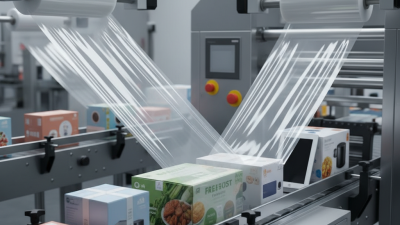
Shrink Wrap has become a pivotal solution in modern packaging. This versatile material provides optimal protection for a wide range of products. According to a report by Smith Packaging Solutions, the global shrink wrap market is expected to grow by 4.5% annually, reflecting its rising importance in industries like food, pharmaceuticals, and electronics.
Dr. Emily Carter, a leading expert in packaging technologies, states, “Shrink Wrap not only enhances product integrity but also boosts brand visibility.” This dual benefit is invaluable in today's competitive market. The appeal of shrink wrap lies not just in its protective qualities but also in its sustainability. Many options are now made from recycled materials, appealing to eco-conscious consumers.
Despite its advantages, overuse of shrink wrap can lead to environmental concerns. It's crucial for businesses to strike a balance. Effective usage means considering both packaging needs and the ecological impact. As the industry evolves, ongoing innovation will determine how shrink wrap solutions meet the demands of businesses and consumers alike.
Benefits of Shrink Wrap in Product Preservation
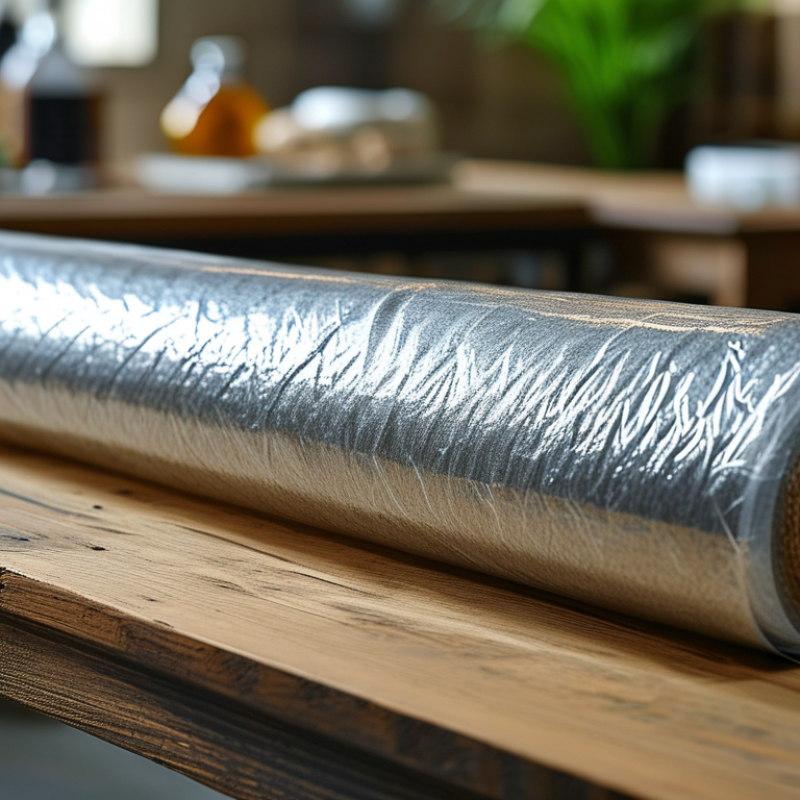
Shrink wrap offers significant benefits in product preservation. This packaging solution protects items from dust, moisture, and physical damage. Research indicates that products properly wrapped in shrink film can have a shelf life increased by up to 25%. This performance can lead to reduced waste in supply chains.
Using shrink wrap also maintains the integrity of the product. By closely conforming to the shape of the items, it minimizes the risk of tampering and contamination. According to a report by the Flexible Packaging Association, more than 60% of users found that shrink wrap decreased product spoilage during transportation. Its tight seal can help preserve flavors and freshness, especially in food items.
While shrink wrap is effective, it's essential to consider the environmental impact. Not all shrink films are recyclable, which is a growing concern. Some companies are exploring more sustainable options, yet this transition takes time. Evaluating both performance and sustainability should be a priority. Proper training in handling and disposal of packaging is crucial to mitigate potential drawbacks.
Enhancement of Shipping Efficiency with Shrink Wrap
Shrink wrap has revolutionized packaging solutions, especially in enhancing shipping efficiency. This versatile material creates a snug seal around products, protecting them during transit. It minimizes the risk of damage from
moisture, dirt, and abrasions. Moreover, shrink wrap can reduce packaging bulk, allowing for more efficient use of shipping space.
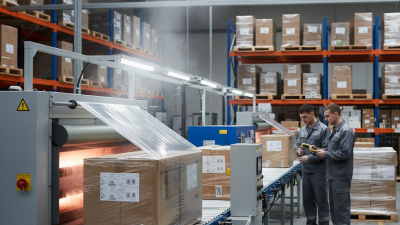
When using shrink wrap, consider these tips. First, ensure the correct shrink wrap thickness for your items. Thicker wraps offer better protection for heavy or sharp-edged products. Second, use a heat gun for an even seal. This can prevent air pockets that may lead to moisture entry. Lastly,
label your packages clearly; even with shrink wrap, visibility is key during shipping.
Another point to reflect on is quality control. Not every shrink wrap job will be perfect the first time. Look for weak seals and ensure uniform coverage. If you're not happy with the results, adjust your technique. Fine-tuning the wrapping process can improve overall shipping performance significantly. Your commitment to quality will ultimately enhance customer satisfaction.
Cost-Effectiveness of Shrink Wrap Compared to Other Packaging
Shrink wrap is becoming a popular choice for packaging. Its cost-effectiveness is a key factor. Compared to traditional packaging methods, shrink wrap offers significant savings. It typically requires less material, reducing overall costs. In industries where margins are tight, every penny counts.
Moreover, shrink wrap allows for quick application. This speeds up the packaging process, saving time and labor costs. Businesses can package their products faster, improving efficiency. However, some may worry about durability. While shrink wrap is strong, it can sometimes tear easily. It's important to choose the right thickness for each application.
Additionally, shrink wrap can protect products from dust and moisture. This is a critical factor in maintaining product integrity. Businesses must assess whether the initial savings outweigh potential risks. Balancing cost with quality is crucial for long-term success. Overall, thoughtful use of shrink wrap can lead to significant financial benefits.
Environmental Considerations of Using Shrink Wrap
Shrink wrap is a popular choice for packaging in many industries. While its advantages are clear, the environmental impacts cannot be ignored. Traditional shrink wrap is often made from plastic, contributing to pollution and waste. When disposed of improperly, it can linger in landfills for years. This raises concerns about sustainability in today’s world.
Alternative materials are emerging to address these issues. Some manufacturers are developing biodegradable shrink wrap options. These products aim to reduce plastic waste while maintaining packaging efficiency. However, they may not always offer the same durability and protection as conventional wraps. This creates a dilemma for businesses that prioritize both performance and environmental responsibility.
Using shrink wrap responsibly also involves considering the entire lifecycle. From production to disposal, every stage affects the environment. Innovations in recycling methods may help mitigate some of the negative impacts of shrink wrap. Yet, there is still significant work to be done to improve the overall footprint of this packaging solution.
Versatility of Shrink Wrap in Various Industries
Shrink wrap has become a staple in packaging solutions across various industries. Its adaptability makes it ideal for protecting diverse products, from food items to industrial equipment. This plastic film shrinks tightly around items when heat is applied, providing a secure seal. This feature is particularly beneficial in reducing spoilage and damage during transport.
In the food industry, shrink wrap preserves freshness and extends shelf life. It acts as a barrier against contaminants, moisture, and odors. However, not all foods react the same way to shrink wrapping. Some may retain heat and moisture, which can lead to spoilage if not monitored. Always test a small batch before scaling up.
Tips: When using shrink wrap, ensure your surfaces are clean and dry for effective sealing. Experiment with different heating temperatures. Too hot can damage the product; too cool may not seal properly. Additionally, consider the environmental impact. Explore biodegradable shrink wrap as a more sustainable option.
In the retail sector, shrink wrap is excellent for bundling products. It keeps items organized and enhances visual appeal. Still, remember that excess wrapping can create waste. Aim for efficient use without compromising product visibility. Better planning can lead to less material usage and more savings.