Top 10 Benefits of Using Shrink Wrap for Packaging Solutions?
Shrink Wrap has become an essential tool in the packaging industry. This versatile material offers numerous benefits that enhance product safety and efficiency. Companies worldwide rely on Shrink Wrap for its sturdy properties and cost-effectiveness.
One key benefit is the protection it provides against environmental factors. Shrink Wrap shields products from moisture, dust, and UV rays. This ensures that items remain in pristine condition during shipping and storage. Moreover, Shrink Wrap's clarity allows for visibility, making it easy to identify products at a glance.
Another advantage is its ability to bundle products together securely. This not only saves space but also simplifies handling and transportation. However, companies must consider proper application techniques. If not applied correctly, Shrink Wrap can lead to issues such as insufficient sealing. Therefore, understanding its usage is crucial for maximizing its benefits.
Understanding Shrink Wrap: What It Is and How It Works
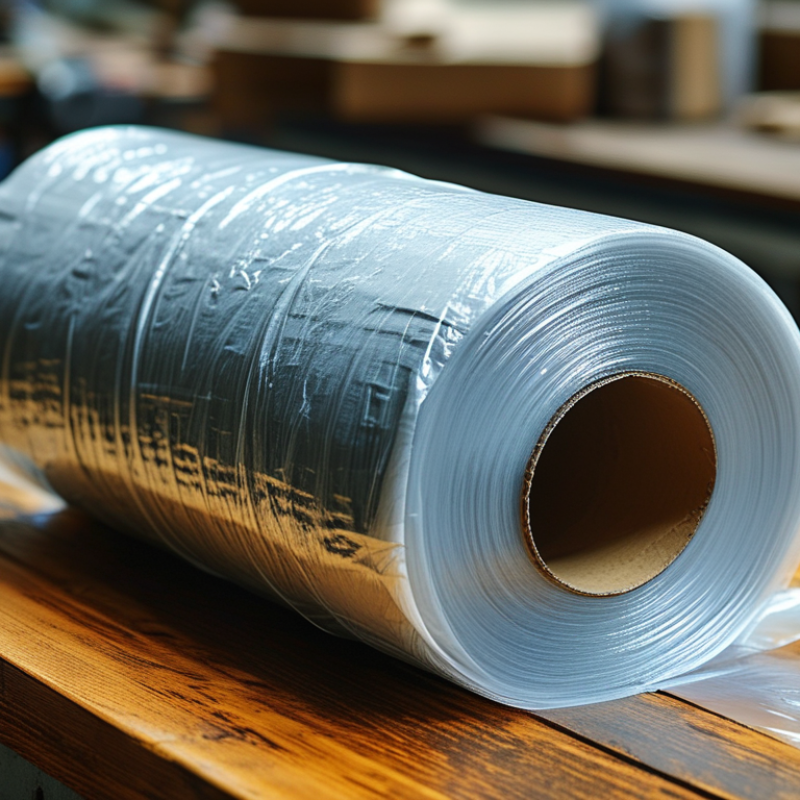
Shrink wrap is a versatile packaging solution widely used in various industries. It consists of a plastic film that shrinks tightly around products when heat is applied. This process creates an airtight seal, protecting items from moisture, dust, and contaminants. The effectiveness of shrink wrap is backed by research from the Flexible Packaging Association, which reports that flexible packaging, including shrink wrap, has grown significantly in recent years.
Understanding how shrink wrap works is essential for maximizing its benefits. The heat shrinkage process involves placing an item in a plastic film and then applying heat. This heat causes the film to contract, forming a snug fit around the product. Typically, polyolefin and PVC are common materials used for shrink wrap due to their durability and flexibility. Industry experts note that these materials provide excellent clarity and strength, making them suitable for food packaging and retail products.
Tip: Consider using shrink wrap for bundling multiple items together. This not only saves space but also provides a neat presentation. Additionally, ensure that the shrink wrap is of high quality to avoid tears during application. Imperfections in shrink wrap application can lead to product damage, so taking the time to learn the proper heat settings is crucial. With careful attention to detail, shrink wrap can greatly enhance your packaging process.
Top 10 Benefits of Using Shrink Wrap for Packaging Solutions
| Benefit |
Description |
| Durability |
Provides excellent protection against physical damage and environmental factors. |
| Tamper Evidence |
Shrink wrap seals items securely, making tampering evident. |
| Cost-Effective |
Reduces packaging costs compared to traditional methods with minimal material usage. |
| Versatility |
Suitable for a wide range of products, including irregularly shaped items. |
| Clarity |
Provides high visibility of the product, enhancing presentation. |
| Space Efficiency |
Compact packaging saves storage space and reduces shipping costs. |
| Automation-Friendly |
Can be easily integrated into automated packing lines for efficiency. |
| Moisture Resistance |
Protects products from moisture, preventing mold and decay. |
| Eco-Friendly Options |
Biodegradable shrink wraps are available for environmentally conscious packaging. |
| Easy to Use |
Simple application process, requiring minimal training to use effectively. |
Durability and Protection: Why Shrink Wrap is Ideal for Packaging
Shrink wrap is becoming a leading choice for packaging due to its durability and protection. This stretchable plastic film tightly envelopes products, creating a secure barrier against external factors. According to a report by Packaging Strategies, shrink wrap can withstand a variety of environmental conditions, including moisture, dust, and UV rays. This makes it ideal for products stored outdoors or in warehouses where exposure to the elements is common.
The versatility of shrink wrap allows it to cover items of various shapes and sizes. It clings tightly, minimizing movement during transport. A study by Smithers Pira reveals that shrink wrap reduces product damage by up to 30%. However, while shrink wrap is efficient, it requires careful handling to avoid pitfalls such as insufficient heat sealing, which can lead to ineffective protection. Failing to train employees on proper techniques can result in costly mistakes.
Moreover, shrink wrap is often viewed as a more sustainable alternative. It consumes less material and minimizes waste compared to traditional packaging. Yet, it’s crucial to consider recycling options to ensure environmental responsibility. With the problem of plastic waste continuing to grow, manufacturers must reflect on their packaging choices and strive for better solutions without compromising on protective qualities.
Top 10 Benefits of Using Shrink Wrap for Packaging Solutions
Shrink wrap is known for its numerous advantages in packaging solutions. The following chart illustrates the benefits of using shrink wrap, highlighting features such as durability, protection, cost-effectiveness, and more.
Cost-Effectiveness of Shrink Wrap in Various Industries
Shrink wrap is an increasingly popular packaging solution across various industries. Its cost-effectiveness is one of the key benefits that companies are leveraging today. The material itself is relatively inexpensive compared to alternatives. This makes shrink wrap an attractive option for both small businesses and large manufacturers. In addition, it provides a tight seal that keeps products safe and secure.
Employing shrink wrap can lead to significant savings in transportation and storage costs. Products that are tightly sealed take up less space. Less space means lower shipping costs. Furthermore, shrink wrap is versatile and can adapt to products of different shapes and sizes. This flexibility can reduce the need for additional packaging materials, ultimately saving more money.
However, it is essential to evaluate the long-term sustainability of using shrink wrap. While it does provide immediate cost benefits, the environmental impact must be considered. Some companies may face scrutiny for using plastic packaging extensively. Reflecting on these aspects ensures a more responsible approach to packaging solutions. Balancing cost savings with environmental responsibility is crucial for modern businesses.
Environmental Considerations: Recycling and Sustainability of Shrink Wrap
Shrink wrap is a popular choice in packaging. However, its environmental impact raises concerns. The material is typically made from polyolefin, a type of plastic. While it is effective for protecting products, issues arise with its disposal.
Recycling shrink wrap is challenging. Many recycling programs do not accept it due to contamination risks. It often ends up in landfills, contributing to plastic pollution. Some companies are exploring innovative solutions. Biodegradable alternatives are emerging, but they are not widely available yet.
Sustainability is crucial in today’s packaging landscape. There is a growing need for awareness about responsible usage. Educating users on proper disposal can help mitigate environmental issues. Engaging in recycling initiatives can also contribute to positive change. The journey toward sustainable shrink wrap use is ongoing, and improvements are necessary.
Versatility of Shrink Wrap: Applications Across Different Sectors
Shrink wrap stands out for its versatility across various sectors. This packaging option serves industries from food to pharmaceuticals. It adapts well to different shapes and sizes, making it an invaluable packaging solution. According to a report by Grand View Research, the shrink wrap market is expected to reach over $24 billion by 2025. This growth underscores the increasing reliance on shrink wrap in diverse applications.
In the food sector, shrink wrap enhances product shelf life by providing a barrier against contaminants. It plays a critical role in preventing spoilage and waste. The packaging maintains freshness while showcasing the product. In pharmaceuticals, shrink wrap ensures that medications remain sterile. It acts as a tamper-proof seal, promoting consumer safety. Despite these benefits, challenges exist. Some manufacturers find the process of applying shrink wrap time-consuming. Sustainability concerns are also rising, pushing for eco-friendly alternatives. Nonetheless, the adaptability of shrink wrap continues to drive its widespread use across different industries.