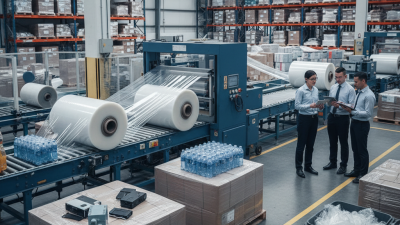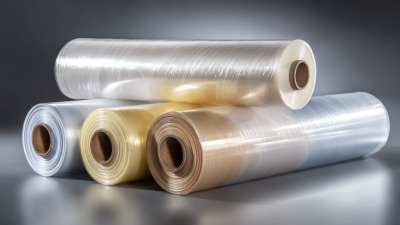
Shrink Film Packaging has emerged as a vital component in the modern business landscape. According to a recent report by Smithers Pira, the shrink film market is expected to grow to $9.8 billion by 2023. This growth highlights the increasing demand for effective packaging solutions. Expert John Davidson, a leading figure in packaging innovation, states, "Shrink Film Packaging not only preserves products but enhances branding and consumer experience."
This type of packaging offers a variety of benefits that can elevate business operations. Companies that prioritize efficient packaging solutions find significant cost savings and improved product protection. Shrink film is lightweight, reducing shipping costs and environmental impact. Many businesses have reported a reduction in damage rates of up to 30% using this packaging type.
However, some companies may overlook the potential of Shrink Film Packaging. They might cling to outdated methods or underestimate its efficiency. Reflecting on these challenges could lead to better choices in the future. Embracing new packaging technologies is essential to staying competitive.

Shrink film packaging offers remarkable advantages for product protection and durability. Its flexibility allows it to conform tightly to various shapes, ensuring that products are secured against external damage. This snug fit minimizes movement during transit, significantly reducing the risk of scratches or dents. Many businesses have reported fewer damages linked to their products thanks to this efficient packaging method.
Moreover, shrink film is resistant to moisture and dust. This characteristic is crucial for preserving the integrity of products during storage and shipping. When products are kept clean and dry, their lifespan increases exponentially. It also helps preserve the quality of food and other sensitive items. The barrier properties of shrink film packaging can lead to reduced waste, making it a more sustainable choice for environmentally-conscious companies.
On the flip side, while shrink film packaging is beneficial, it may require careful handling during application. Improper sealing can lead to weak spots. Businesses must invest in staff training to avoid these pitfalls. While the initial costs of equipment can be daunting, the long-term benefits often outweigh these expenses. Transitioning to shrink film packaging involves a learning curve, but it can yield significant rewards for those willing to adapt.
| Benefit | Description | Impact on Business |
|---|---|---|
| Product Protection | Shrink film provides a secure barrier against dust, moisture, and damage during transit and storage. | Reduces product returns and enhances customer satisfaction. |
| Durability | Stretchable material adheres tightly to products, preventing movement. | Longer shelf life and reduced waste. |
| Cost-Effective | Low material costs with efficient wrapping solutions. | Lowers overall packaging expenses. |
| Versatility | Suitable for a wide range of products, from food to electronics. | Greater adaptability to various market needs. |
| Safety | Non-toxic and compliant with safety regulations. | Enhances brand reputation and customer trust. |
| Aesthetic Appeal | Clear and attractive presentation of products. | Improves product visibility and shelf impact. |
| Tamper Evidence | Seals that indicate if the product has been tampered with. | Enhances security and customer confidence. |
| Efficiency | Quick application and efficient production lines. | Increases overall productivity and reduces labor costs. |
| Customizability | Available in various sizes, colors, and thicknesses. | Meets specific business requirements and branding. |
| Environmental Benefits | Many shrink films are recyclable and eco-friendly. | Demonstrates corporate social responsibility and attracts eco-conscious consumers. |
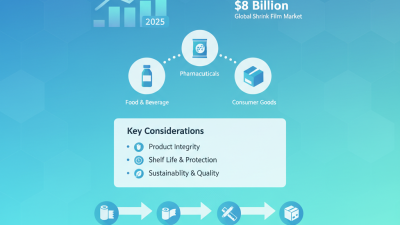
Shrink film packaging has become essential for businesses looking to optimize their supply chain management. Studies indicate that using this type of packaging can reduce costs by up to 25%. This is largely due to its lightweight nature, which minimizes shipping expenses. When products are securely wrapped, they are less prone to damage. According to the Flexible Packaging Association, shrink packaging can reduce freight costs significantly.
Another advantage lies in its versatility. Businesses can use shrink film for a variety of products, adapting the packaging to meet specific needs. For example, items like food and electronics can benefit greatly from moisture and dust protection. Industry reports show that nearly 40% of packaged goods arrive damaged, leading to substantial losses. Shrink film helps mitigate such risks, ensuring products reach customers in prime condition, which fosters trust.
However, not all shrink films are created equal. While cost savings are apparent, the initial investment in quality materials can be substantial. It’s crucial for businesses to conduct comprehensive research. Companies should analyze their specific needs and gauge the ROI of switching to shrink film packaging. In some cases, the transition might introduce complexities that require additional training. Thus, while shrink film offers many benefits, businesses must thoughtfully consider their overall packaging strategy.
Shrink film packaging significantly enhances retail presentation. Its clear, tight fit showcases products effectively. This distinct visual appeal attracts customers' attention. When items are well-preserved and beautifully displayed, they foster greater interest. Retailers often notice increased foot traffic due to eye-catching packaging.
Shrink film not only improves aesthetics but also offers practicality. It protects products from dust and damage. Consider a delicate item, for example. A well-shrink-wrapped product will stand out on shelves. Customers perceive such items as high-quality and well-cared-for. It’s crucial for brands to realize the impact of presentation on consumer perception.
Despite its advantages, some companies struggle with shrink film application. They may find it challenging to achieve a perfect seal. Incorrect sizing can lead to additional waste and costs. This underscores the necessity for proper training and understanding of shrink film techniques. Investing time into mastering these methods can yield significant returns in product presentation.
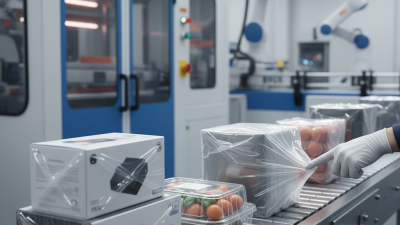
Shrink film packaging is proving to be remarkably versatile across various industries. It’s not just for packaging products; it serves multiple roles. For example, in the food industry, shrink film keeps items fresh while allowing for easy labeling. It provides a clear view of the product, making it appealing to customers. Additionally, it offers protection against external factors like moisture and dust.
In the retail sector, shrink film secures multiple items. It keeps products together, preventing damage during transport. This can enhance shelf appeal while offering a neat presentation. However, some businesses struggle with choosing the right type of shrink film. Not all films are suitable for every product type. Companies must educate themselves about the best options for their specific needs. They may also need to experiment to find what works best.
In the electronics industry, shrink film protects components from static and moisture. It’s crucial for sensitive items. Still, there are challenges. The right balance between protection and visibility is often hard to achieve. This highlights the importance of understanding your product's needs. Adapting shrink film strategies can take time, but the benefits are worth exploring.
Shrink film packaging has evolved significantly, especially regarding environmental considerations. Many manufacturers are developing recyclable and biodegradable options. These innovations aim to reduce plastic waste in landfills and oceans. The transition to eco-friendly materials is essential for sustainability. However, not every shrink film is created equal. Some may still contribute to environmental issues, highlighting the need for careful selection.
Another aspect is energy consumption during production and disposal. Eco-conscious companies are seeking to minimize their carbon footprint. Using water-based adhesives and energy-efficient machines can help in this regard. There is, however, a balance to strike. While seeking greener solutions, businesses must also consider cost and performance. Finding the right compromise is key.
Consumer awareness is rising, pushing brands to act responsibly. Many customers prefer products with sustainable packaging. This shift influences how businesses approach their packaging decisions. Companies must continually assess their materials and processes. It is an ongoing journey towards a more sustainable future in packaging.