Why Choose Shrink Wrap Packaging for Your Business Needs?
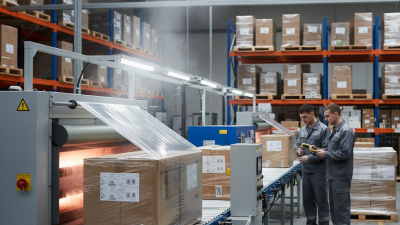
Shrink Wrap Packaging has gained popularity for businesses seeking effective solutions. This packaging method offers numerous benefits, such as durability and protection. Companies across various industries utilize shrink wrap to ensure their products remain safe during storage and transportation. The versatility of shrink wrap can accommodate different shapes and sizes, making it an ideal choice for diverse products.
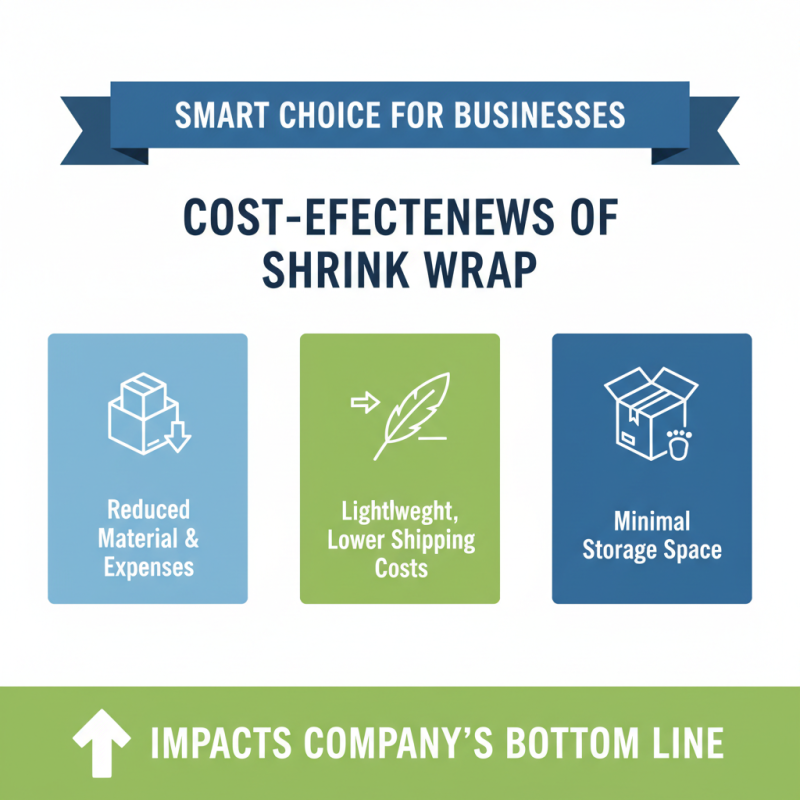
One major advantage is the cost-effectiveness of shrink wrap. It is often less expensive than other packaging materials, allowing businesses to save money. Furthermore, its lightweight nature reduces shipping costs, which is crucial for many companies. However, while shrink wrap offers many advantages, some may overlook potential downsides. For instance, improper sealing can lead to compromised protection.
Investing in shrink wrap packaging requires careful consideration. The process should be guided by expertise to ensure optimal results. Consulting with professionals can help businesses avoid common pitfalls. Ultimately, choosing shrink wrap packaging can enhance product presentation and safeguard items, leading to improved customer satisfaction.
Benefits of Shrink Wrap Packaging for Product Protection
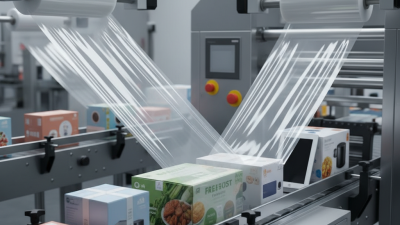
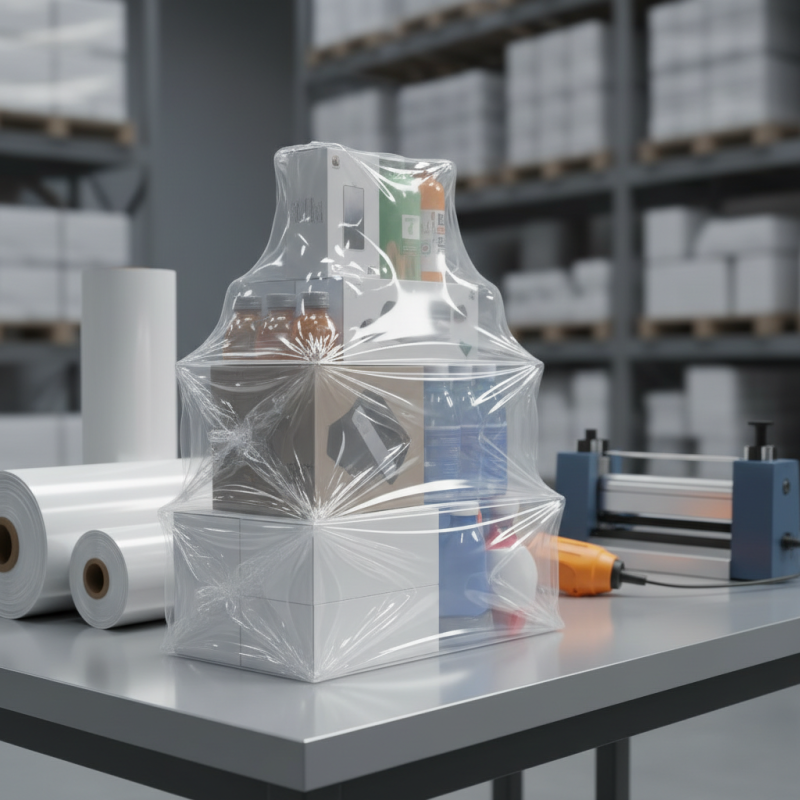
Shrink wrap packaging offers numerous benefits for product protection. It creates a tight seal around items, shielding them from dust and moisture. This is vital for businesses dealing with perishable goods. The film's clarity also allows customers to see the product without unwrapping it. Visibility boosts consumer confidence.
Additionally, shrink wrap is cost-effective. It requires minimal material yet delivers reliable protection. This can lower shipping costs, as lighter packages are cheaper to transport. However, businesses must ensure proper sealing techniques are used. Poor application can lead to compromised packages.
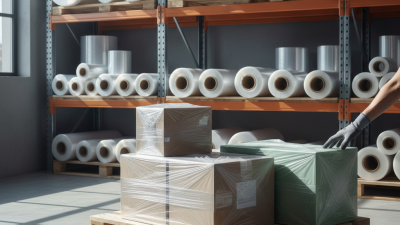
Another advantage is that shrink wrap is versatile. It can be customized for a variety of shapes and sizes. This adaptability suits different products, whether small or bulky. Yet, companies should be mindful of their inventory. Overusing shrink wrap can lead to waste, prompting a reassessment of packaging needs. Overall, using shrink wrap can significantly enhance product protection and customer satisfaction.
Why Choose Shrink Wrap Packaging for Your Business Needs? - Benefits of Shrink Wrap Packaging for Product Protection
| Benefit |
Description |
Use Cases |
| Durability |
Shrink wrap provides a strong protective barrier to withstand handling and transportation. |
Shipping of fragile items, electronics, and machinery. |
| Moisture Resistance |
It effectively protects products from moisture, dust, and other environmental factors. |
Food packaging, seasonal items, and outdoor equipment. |
| Cost-Effectiveness |
Shrink wrap is generally less expensive compared to other packaging materials. |
Bulk packaging, quick turnaround projects. |
| Versatility |
Can be used to package a variety of products in different shapes and sizes. |
Consumer goods, retail products, and oversized items. |
| Tamper Evidence |
Shrink wrap can provide visual confirmation if a package has been opened or tampered with. |
Pharmaceuticals, food items, and electronics. |
| Aesthetic Appeal |
Shrink wrap can enhance the presentation of products, making them more attractive to customers. |
Retail displays, promotional items, and gifts. |
Cost-Effectiveness of Using Shrink Wrap in Business Operations
Shrink wrap packaging is a smart choice for businesses aiming to enhance their operational efficiency. Its cost-effectiveness arises from reduced material and shipping expenses. Shrink wrap is lightweight, allowing for lower shipping costs. Additionally, it requires minimal storage space compared to rigid packaging. This flexibility can significantly impact a company’s bottom line.
Tips for effective use of shrink wrap include selecting the right thickness for your products. A thicker wrap provides better protection but is also heavier. Balance is key. Make sure to properly heat the wrap to achieve a snug fit, reducing movement during transit. This can prevent damage and return costs.
Moreover, it's essential to consider the environmental impact. While shrink wrap can be recyclable, ensure that your end-of-use strategy aligns with sustainability goals. Overreliance on any packaging can lead to waste. Reflect on your practices regularly to improve efficiency and reduce costs. Optimal use of shrink wrap not only saves money but also fosters a sustainable business model.
Impact of Shrink Wrap on Branding and Customer Perception
Shrink wrap packaging significantly influences branding and customer perception. When products are wrapped securely, they convey quality and care. Research indicates that 72% of consumers believe packaging reflects the product’s quality. This first impression is crucial in a competitive market.
Moreover, shrink wrap offers a transparent view of the product while providing necessary protection. According to a study by Packaging Strategies, 52% of consumers prefer packaging that allows them to see the product. This transparency builds trust and encourages purchases. It enhances the product's appeal on the shelf, and the bright, vibrant colors can draw attention and evoke positive emotions.
However, brands must reflect on the potential downsides. Overuse of plastic can lead to negative perceptions, with a report from EcoFocus stating that 63% of consumers prefer environmentally responsible packaging. Companies should balance durability and sustainability to maintain a favorable brand image. This ongoing challenge reflects a need for innovation in shrink wrap materials.
Versatility of Shrink Wrap for Various Industries and Products
Shrink wrap packaging is a dynamic solution for various industries. Its versatility makes it suitable for products ranging from food items to industrial equipment. Businesses often overlook the potential of shrink wrap. It not only protects products but also enhances presentation. Clear shrink wrap allows customers to see what they’re buying, increasing their confidence.
In the food industry, shrink wrap maintains freshness. It prevents spoilage and extends shelf life. This is crucial for perishable goods. In retail, products wrapped in shrink wrap are easier to display. They provide a clean, polished look that attracts buyers. Yet, using shrink wrap raises questions about waste. While it is effective, businesses need to consider sustainable options.
One challenge lies in finding the right shrink wrap for specific products. Thickness, type, and heat requirements vary widely. Testing different materials is essential for optimal results. Many businesses rush the decision, only to realize later that their choice was not ideal. An informed choice involves understanding the unique needs of each product.
Why Choose Shrink Wrap Packaging for Your Business Needs?
Environmental Considerations and Innovations in Shrink Wrap Materials
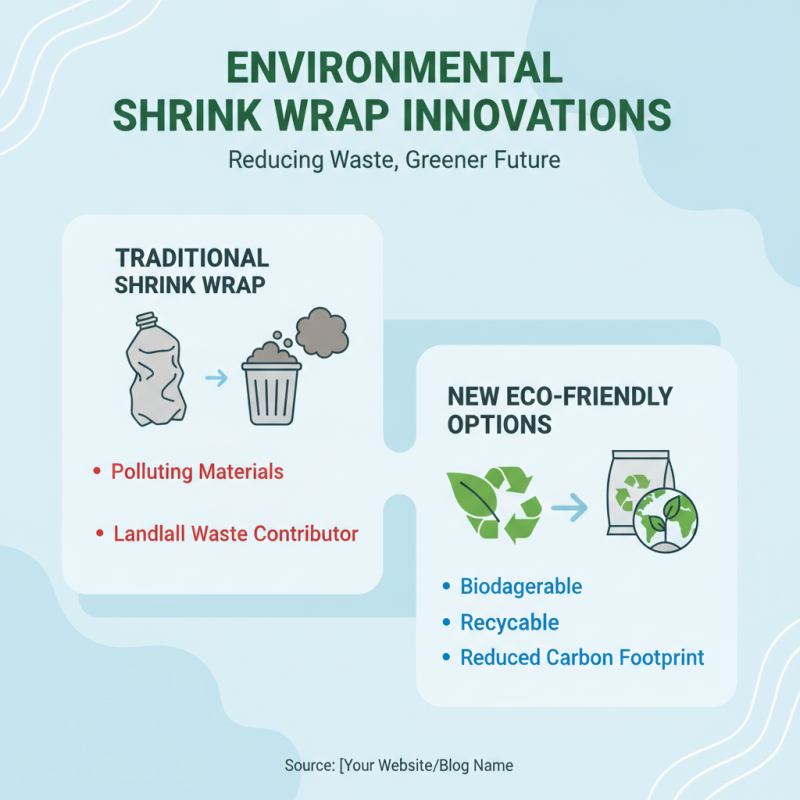
Shrink wrap packaging has evolved significantly, particularly concerning environmental impact. Traditional shrink films often contain materials that contribute to pollution. However, recent innovations have introduced biodegradable and recyclable options. These new materials help reduce landfill waste and carbon footprints.
Many businesses are recognizing the importance of sustainability. Choosing eco-friendly shrink wrap not only meets consumer demand for greener products but also enhances brand reputation. This commitment to environmental responsibility can differentiate a business in competitive markets. Clearly, sustainable materials provide a chance for companies to align with environmentally-conscious values.
Despite these advancements, challenges remain. Not all innovative materials are cost-effective or easy to implement. Some films may also have limitations in durability compared to conventional options. Companies must navigate these trade-offs, weighing cost and performance against environmental benefits. Balancing these factors is essential for achieving long-term sustainability in packaging.