Top Benefits of Using Shrink Wrap in Packaging and Storage Solutions?
Shrink Wrap Shrink Wrap is transforming packaging and storage solutions across various industries. Industry expert John Smith emphasizes, “Shrink wrap provides unparalleled protection, making it a must-have in logistics.” This statement holds significant weight, given the robust advantages shrink wrap offers.
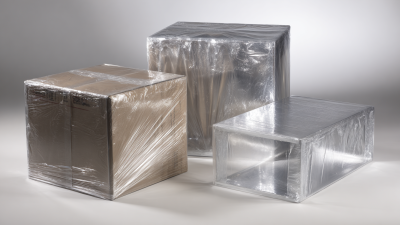
Shrink wrap enhances the durability of packaged products. It shields items from dust, moisture, and damage. Choosing the right shrink wrap can reduce waste and improve efficiency. However, not all shrink wrap is created equal. Companies must consider thickness and material to match their needs.
While shrink wrap can be game-changing, there are challenges. Improper application may lead to inadequate sealing. Training staff in correct techniques is crucial. Exploring the shrink wrap options carefully helps businesses meet their unique needs.
Benefits of Shrink Wrap: Protection Against Environmental Factors
Shrink wrap is a versatile solution for packaging and storage. It offers excellent protection against environmental factors. Products stored in shrink wrap receive a barrier against moisture, dust, and UV rays. A study by Packaging Strategies showed that 60% of companies reported reduced damage in products using shrink wrap.
Using shrink wrap enhances product longevity. It prevents contamination and minimizes decay, especially for perishable goods. Industry data indicates that wrapped products maintain freshness up to 30% longer than unwrapped items. This is crucial for sectors like food and pharmaceuticals.
Tips: Always choose the right thickness of shrink wrap for your product. Thicker films provide better protection but may require more energy to heat. Ensure the wrapping is tight to inhibit air pockets. Regularly check wrapped items for signs of wear and tear. Maintaining your storage environment can further extend the benefits of shrink wrapping, making it a reliable choice for optimal protection.
Cost-Effectiveness: Shrink Wrap vs. Traditional Packaging Materials
Shrink wrap has emerged as a cost-effective alternative to traditional packaging materials. For many businesses, minimizing expenses is crucial. Shrink wrap can lower packaging costs by reducing material waste, which is a common issue with boxes and bubble wrap. Unlike these traditional options, shrink wrap conforms tightly to products. This leads to savings on storage and shipping, as items occupy less space.
Moreover, shrink wrap is versatile. It accommodates various shapes and sizes, adapting easily to different products. This flexibility can result in lower costs per unit, especially for small businesses. However, it’s worth noting that while shrink wrap offers these benefits, it may not provide the same level of protection as rigid containers for fragile items. Businesses should consider this when choosing their packaging solutions. Analyzing both methods can reveal insights on long-term cost savings versus short-term effectiveness.
Ultimately, the choice between shrink wrap and traditional packaging should be guided by specific needs. Understanding these details allows businesses to make informed decisions that balance cost with compatibility. Experimentation with various materials could lead to surprising findings. It’s important to keep in mind that not every option fits every product. Careful assessment is key to achieving the best results.
Top Benefits of Using Shrink Wrap in Packaging and Storage Solutions
| Benefit |
Shrink Wrap |
Traditional Packaging |
| Cost-Effectiveness |
Lower material costs; less waste |
Potentially higher material costs |
| Durability |
Resistant to moisture and dirt |
Susceptible to damage |
| Custom Fit |
Conforms to any shape or size |
Limited by fixed sizes |
| Visibility |
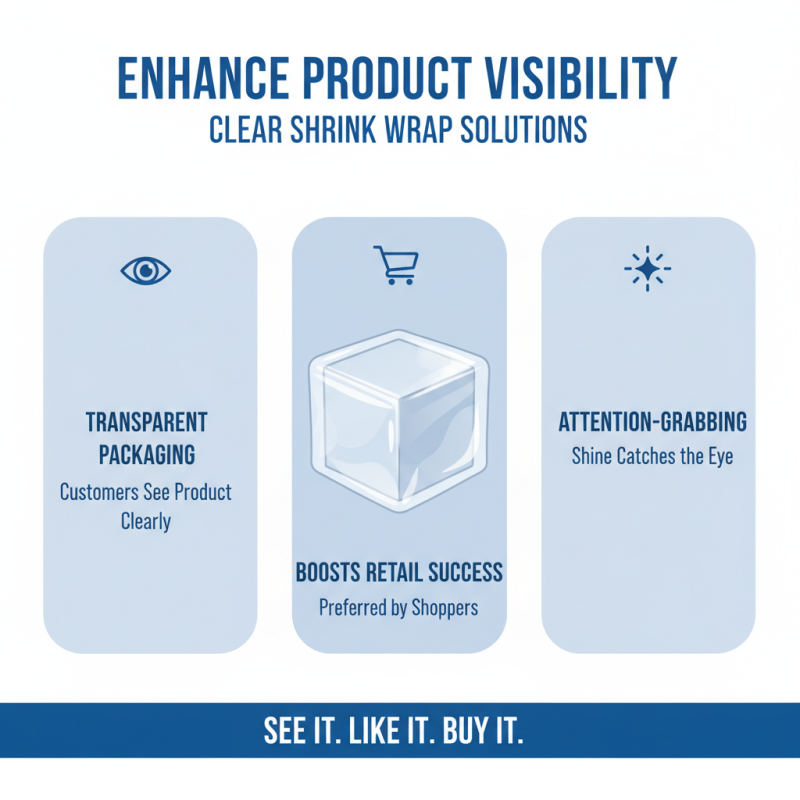
Clear packaging enhances product appearance |
Often opaque or less transparent |
| Storage Efficiency |
Reduces space with tight wrapping |
Can require more space |
Reduction of Packaging Waste: Eco-Friendly Aspects of Shrink Wrap
Shrink wrap is making waves in eco-friendly packaging. A report from the EPA states that nearly 30% of all plastic waste in landfills comes from packaging materials. Shrink wrap minimizes this waste significantly. Its tight sealing reduces the need for additional cartons and packing materials, directly contributing to waste reduction.
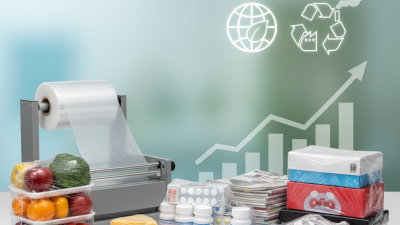
Moreover, shrink wrap is often recyclable, depending on local facilities. According to the Flexible Packaging Association, flexible packaging, including shrink wrap, has a lower environmental impact than rigid packaging. It requires less material and energy to produce. This lowers carbon emissions associated with manufacturing. Businesses adopting shrink wrap can reduce their ecological footprint while securing their products.
Yet, the journey is not entirely smooth. The recycling availability for shrink wrap varies by region. In some areas, consumers may still struggle with proper disposal. Awareness is crucial. Education around correct recycling practices can enhance the benefits. Companies must invest in clarifying these practices to ensure that shrink wrap contributes positively to sustainability efforts.
Versatility in Applications: Industries That Benefit from Shrink Wrap Systems
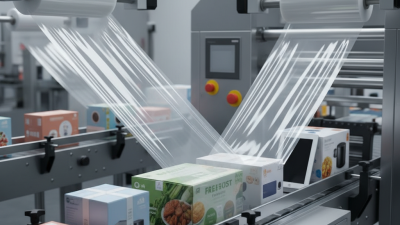
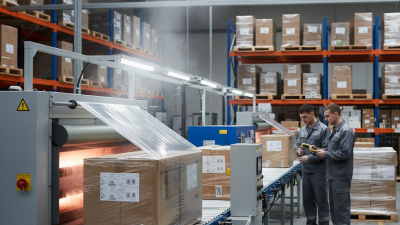
Shrink wrap systems offer significant advantages across various industries. These applications include manufacturing, food packaging, and logistics. The ability to securely wrap products protects them from dust, moisture, and damage. This is crucial for items that are sensitive to environmental conditions. For example, wrapped pallets in a warehouse stay protected during shipping and storage.
In the food industry, shrink wrap ensures freshness. It allows for visibility while maintaining hygiene. Many packaged goods are wrapped to extend their shelf life. However, understanding the material's limitations is important. Not all shrink wraps are suitable for every product. Testing and adapting the material to specific needs is often necessary.
Manufacturers also benefit from shrink wrap's versatility. It can accommodate various item shapes and sizes. This flexibility makes it ideal for irregularly shaped products. Still, staff ongoing training on proper shrink wrap application is essential. Misapplication can lead to wasted materials and increased costs. Evaluating these steps ensures efficiency and reliability in packaging solutions.
Top Benefits of Using Shrink Wrap in Packaging and Storage Solutions