What Are the Benefits of Shrink And Wrap Packaging?
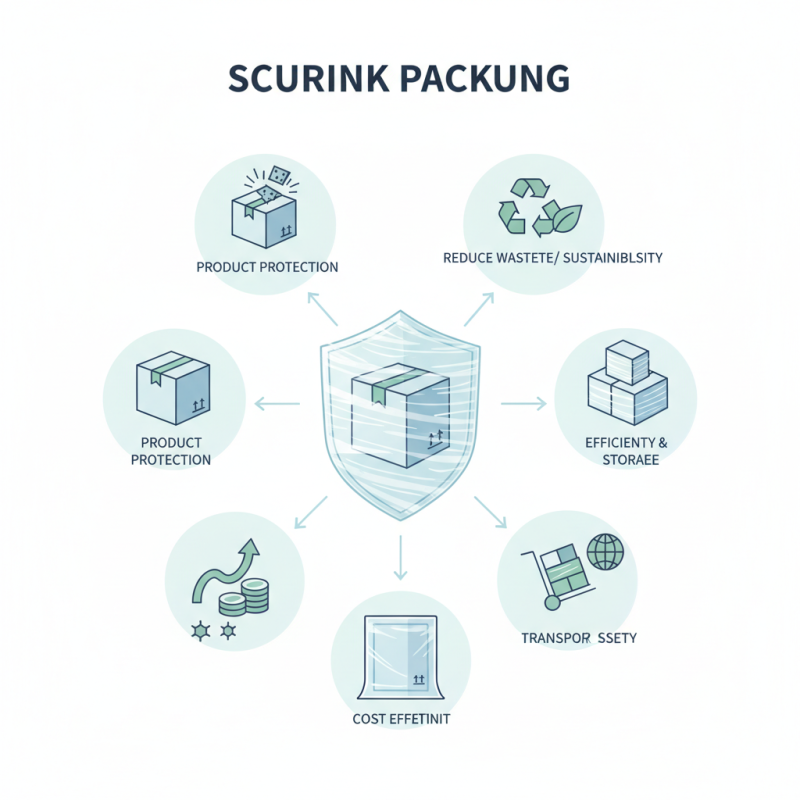
Shrink And Wrap packaging has gained significant attention in various industries due to its numerous advantages. According to a 2022 report by Smithers Pira, the flexible packaging market, which includes shrink and wrap solutions, is projected to reach $250 billion by 2025. This growth highlights the increasing demand for effective packaging solutions that enhance product protection and reduce waste.
Industry expert John Anderson, a leading consultant in packaging solutions, states, "Shrink and wrap packaging offers unparalleled protection while maintaining a sustainable approach." His insights reflect a trend where businesses prioritize not only aesthetics but also practicality and environmental impact. Shrink and wrap methods ensure that products are secured tightly, minimizing damage during transit and storage. This efficiency attracts manufacturers across various sectors, from food and beverage to consumer goods.
Despite these benefits, some challenges remain. Companies must choose the right materials and equipment to optimize their packaging lines. It is essential to balance cost with quality, ensuring the investment pays off. By addressing these issues and adapting to industry trends, businesses can fully leverage the benefits of Shrink and Wrap packaging for sustainable growth.
What is Shrink and Wrap Packaging?
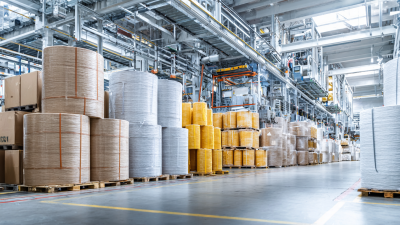
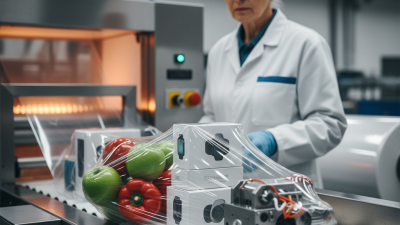
Shrink and wrap packaging is a versatile technique used broadly in various industries. It involves the use of heat-sensitive plastic film that shrinks tightly around a product when heated. This method is widely favored for its simplicity and effectiveness. The process ensures that products remain secure during storage and transportation.
The applications of shrink and wrap packaging are diverse. It is commonly used for bundling items, such as beverages or snacks, into cohesive packages. This method not only provides protection but also enhances the visual appeal of products. Packaging can be custom-designed to reflect branding and attract customers. However, it may not be the best choice for every item. Fragile products can suffer during the shrinking process, leading to potential damage.
One notable advantage is its ability to create tamper-evident seals. This feature is crucial for maintaining consumer trust. However, manufacturers must reflect on the environmental impact of plastic usage. Recycling options for shrink film can be limited, prompting the need for sustainable alternatives. Balancing effective packaging with environmental responsibility remains a challenge for many businesses.
Key Materials Used in Shrink and Wrap Packaging
Shrink and wrap packaging relies on a few key materials that enhance its effectiveness. Polyethylene, polypropylene, and PVC are among the most common choices. These materials are known for their flexibility and durability. Polyethylene, for example, offers resistance to moisture and chemicals, making it suitable for various products.
When selecting materials, consider using materials that suit your product’s needs. For instance, if you’re packaging food items, opt for food-safe polyethylene. It’s essential to maintain product integrity. Some materials can warp or tear under stress. Testing different types might help you find the right fit.
Tips: Always double-check the material specifications. Ensure they meet safety standards. This step can save you from issues down the road. Additionally, assess the environmental impact of your choices. Some materials may be more eco-friendly than others. Consider biodegradable options to appeal to eco-conscious consumers.
Environmental Impact of Shrink and Wrap Packaging
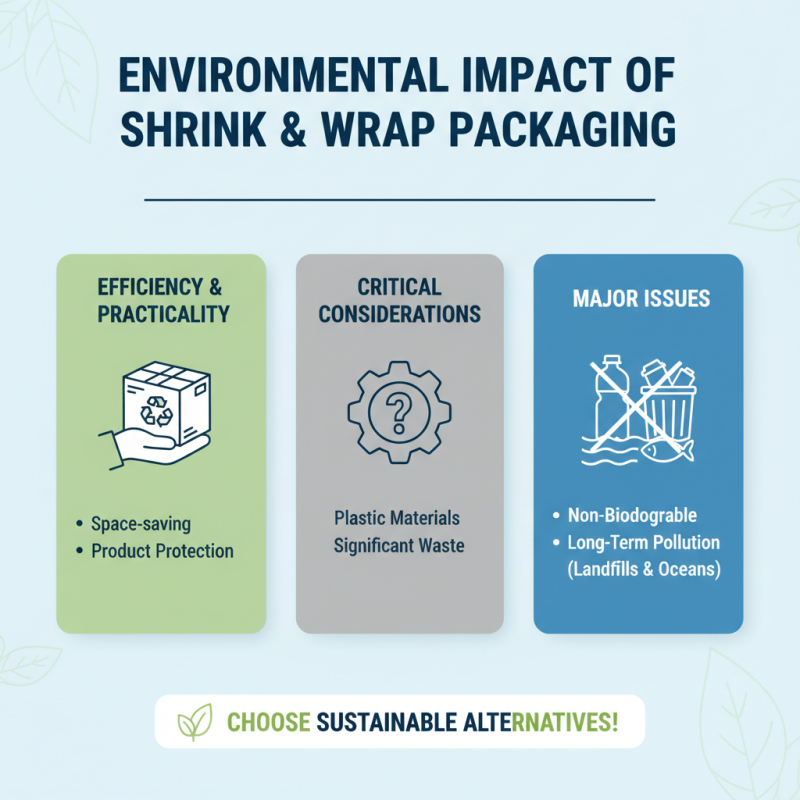
Shrink and wrap packaging has gained attention for its efficiency and practicality. However, the environmental impact is a critical aspect that deserves thorough consideration. This type of packaging often uses plastic materials, which can lead to significant waste. Many of these plastics are not biodegradable, contributing to long-term pollution in landfills and oceans.
It’s important to acknowledge the recycling challenges associated with shrink and wrap materials. While some plastics can be recycled, many facilities are not equipped to handle them. This leads to a large portion of waste that ends up in the environment. Consumers must be aware of these issues when choosing packaging options for their products. Additionally, the judgment call on using less sustainable materials is a reflection of market demands versus ecological responsibility.
As businesses strive for efficiency, the need for sustainable alternatives grows more urgent. Innovations, like bio-based and compostable materials, are emerging. However, these solutions still face hurdles such as cost and performance. It’s essential to continue assessing the impacts of shrink and wrap packaging. Strategies to minimize waste and improve recycling options should be prioritized as we push for greener practices in the industry.
Cost-Effectiveness of Shrink and Wrap Packaging Solutions
Shrink and wrap packaging is gaining popularity due to its cost-effectiveness. This method significantly reduces packaging costs while optimizing space. A report from PackTech states that companies can save up to 30% on packaging materials. These savings arise from using less film compared to traditional packaging methods. Moreover, shrink packaging minimizes waste, contributing to environmental sustainability.
Tips for optimizing shrink packaging include using the right film thickness to match your product. A common mistake is using too thick film, which can inflate costs. Also, ensure your products are arranged efficiently to maximize pallet space. This not only reduces shipping costs but also improves warehouse inventory management.
Efficiency is not the only factor. Shrink wrapping also enhances product safety. A study by Packaging Strategies revealed that products packaged with shrink wrap have a 50% lower damage rate during transit. However, businesses must constantly evaluate their packaging techniques. As the industry evolves, staying updated is crucial for maintaining cost-effectiveness and reliability in supply chains.
Benefits of Shrink and Wrap Packaging
This bar chart illustrates the various benefits of shrink and wrap packaging. Cost-effectiveness stands out as the top benefit, significantly contributing to overall efficiency in packaging solutions.
Applications of Shrink and Wrap Packaging Across Industries
Shrink and wrap packaging serves a variety of industries, each benefiting from its unique properties. In food packaging, this method helps preserve freshness. It protects products from moisture and contaminants. Shrink wrap is also a visible deterrent against tampering. Consumers often feel safer purchasing food wrapped this way.
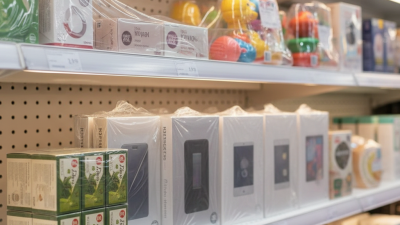
In the electronics industry, shrink and wrap packaging plays a critical role. It provides cushioning and prevents damage during transport. This is essential for fragile items like mobile devices. The clear film allows for easy visibility of the product, while also showcasing important details.
Despite these benefits, there are challenges. Not all shrink wraps are eco-friendly, and waste can accumulate. Businesses are prompted to weigh costs versus environmental impact. Transitioning to more sustainable options can sometimes mean higher initial investments. These considerations are crucial for long-term success in any industry.