Top 10 Benefits of Plastic Shrink Packaging for Global Buyers?
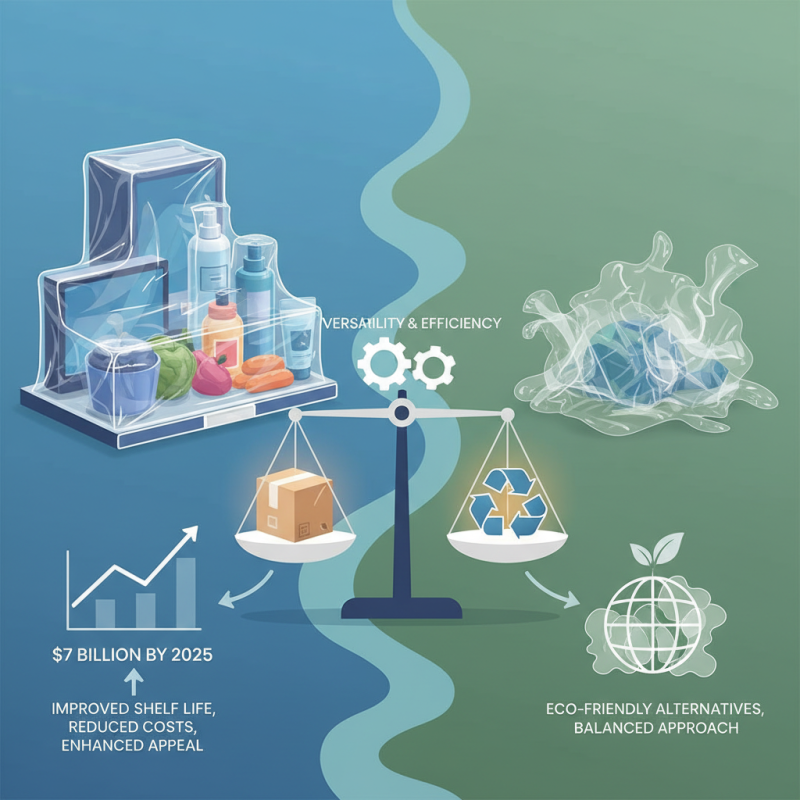
In today's rapidly evolving packaging market, Plastic Shrink Packaging stands out as a preferred choice for global buyers. With its ability to tightly wrap products and protect them from damage, it's no surprise that the industry has seen significant growth. According to a recent report by Smithers Pira, the global shrink film market is expected to reach $7 billion by 2025, highlighting its increasing relevance in diverse sectors.
Industry expert Dr. John Peterson states, "Plastic Shrink Packaging offers versatility and efficiency that traditional packaging simply cannot match." This innovative solution not only improves product visibility but also minimizes waste through lightweight materials. Despite its benefits, some manufacturers still overlook the environmental impact of plastic use. A balanced approach is necessary to fully leverage the advantages of Plastic Shrink Packaging while addressing sustainability concerns.
The advantages of this type of packaging extend beyond just aesthetics. Improved shelf life, reduced transportation costs, and enhanced consumer appeal make it an attractive option. However, the challenge remains—how can the industry adapt to growing demands for eco-friendly alternatives? Understanding the duality of benefit and responsibility is crucial in navigating this evolving landscape.
Overview of Plastic Shrink Packaging and Its Applications
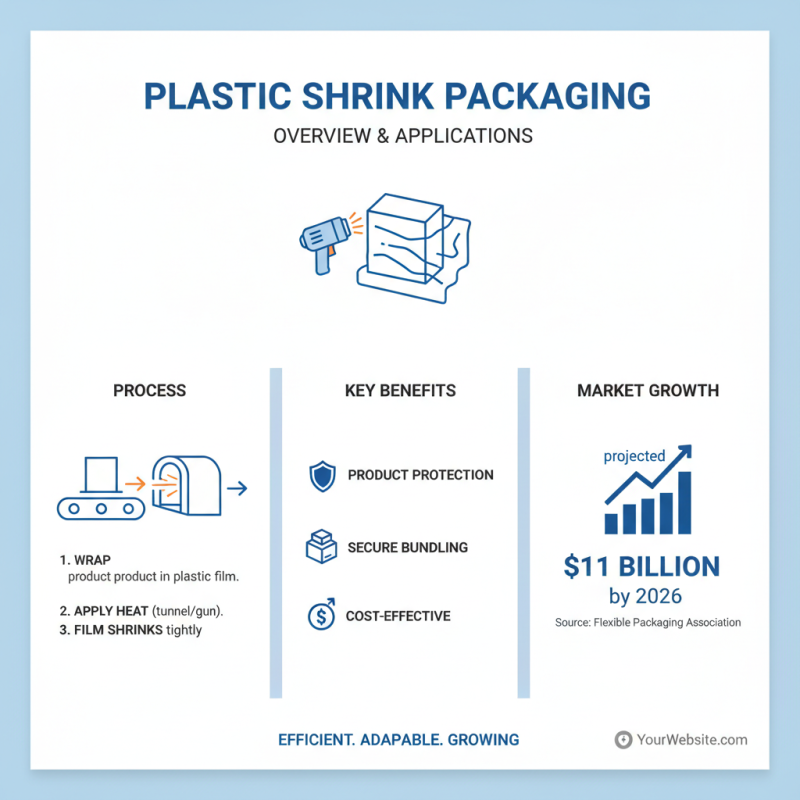
Plastic shrink packaging is an efficient solution widely used across various industries. This packaging method involves applying heat to shrink plastic around products, ensuring a tight fit. According to the Flexible Packaging Association, the market for shrink films is expected to reach $11 billion by 2026, showcasing its growing popularity.
In retail, plastic shrink packaging enhances product visibility and appeal. It provides a clear view of the item while maintaining protection. The global shift towards sustainability is also influencing the adoption of eco-friendly shrink films. A report by Smithers Pira highlights that sustainable flexible packaging could grow by 4.2% annually until 2024, driven by consumer preference for environmentally responsible options.
However, challenges exist. Some manufacturers struggle with selecting the right film thickness. Optimal thickness is crucial for stability but can increase costs if not monitored. Additionally, the reliance on heat can pose risks of warping and deformation if not properly controlled. Ensuring the right balance between safety and efficiency in shrink packaging is key for success in the competitive market.
Cost-Effectiveness of Plastic Shrink Packaging for Buyers
Plastic shrink packaging presents a highly cost-effective solution for global buyers. This method reduces material usage while ensuring product protection. It minimizes waste and lowers shipping costs due to its lightweight nature. Buyers often find that they can buy in bulk without fear of damage during transport. This contributes significantly to overall savings.
Moreover, the efficiency of shrink packaging can lead to faster production times. It streamlines the packaging process, reducing labor costs. Companies benefit from reduced downtime as machines operate quickly with shrink film. However, some buyers face challenges in sourcing high-quality films compatible with their products. This can require extra effort in vendor research and quality checks.
While plastic shrink packaging is beneficial, there are areas for improvement. Environmental concerns about plastic waste persist. Buyers may experience pressure to adopt more sustainable materials. Balancing cost-effectiveness with eco-friendly options remains a complex issue. Thus, ongoing evaluation of packaging methods is necessary for long-term success.
Enhanced Product Protection Through Plastic Shrink Packaging
Plastic shrink packaging plays a vital role in product protection within various industries. It securely wraps items, reducing the risk of damage during transportation and storage. According to a report from Smithers Pira, the global shrink film market is expected to reach $12.88 billion by 2024. This rapid growth signifies the increasing demand for effective packaging solutions.
Shrink packaging is particularly beneficial due to its ability to conform tightly to the product shape. This feature minimizes movement and potential damage. Additionally, the barrier properties of shrink films protect against moisture, dust, and contaminants. A study highlighted that using high-quality shrink film can reduce spoilage rates by up to 25%. However, not all plastic shrink materials offer the same level of protection. Some may require additional coatings to enhance their barrier properties.
Despite its numerous advantages, businesses must be cautious. The environmental impact of plastic waste is a growing concern. Shifting to sustainable materials is essential. Reports show that 90% of consumers prefer eco-friendly packaging. Therefore, while plastic shrink packaging offers enhanced protection, a reevaluation of material choices is necessary to fulfill consumer expectations. Balancing cost, protection, and sustainability remains a challenge for many global buyers.
Top 10 Benefits of Plastic Shrink Packaging for Global Buyers
| Benefit |
Description |
Impact on Buyers |
| Enhanced Protection |
Protects products from moisture, dirt, and damage during shipping. |
Reduces product returns and increases customer satisfaction. |
| Cost-Efficiency |
Lower packaging costs compared to rigid containers. |
Enables better pricing for buyers due to reduced overhead. |
| Lightweight |
Contributes to lower shipping costs due to decreased weight. |
Improves profit margins for businesses. |
| Versatility |
Can be used for a wide range of products across various industries. |
Enhances product appeal through custom applications. |
| Tamper Evidence |
Shrink wrap provides visible signs of tampering. |
Increases buyer confidence in product integrity. |
| Aesthetic Appeal |
Offers a clean and professional look for products. |
Attracts customers and enhances branding efforts. |
| Environmental Options |
Many shrink films are recyclable and eco-friendly. |
Appeals to environmentally-conscious consumers. |
| Customization |
Shrink wraps can be customized for branding and label design. |
Enhances marketing opportunities and brand recognition. |
| Security |
Deters theft and ensures products remain intact until opened. |
Reduces losses in retail environments. |
| Easy to Use |
Quick and simple application process for packaging. |
Improves efficiency in packaging operations. |
Environmental Considerations and Sustainability of Plastic Shrink Packaging
Plastic shrink packaging has gained popularity for its sustainable attributes. This type of packaging uses less plastic compared to traditional methods. It efficiently wraps products, reducing the amount of waste generated. Moreover, advances in technology have led to the development of recyclable materials. These innovations enhance the environmental profile of shrink packaging.
However, challenges remain. While some plastics are recyclable, not all facilities can process them. This inconsistency can lead to increased waste. Educating consumers about proper disposal is essential. They must understand how to recycle effectively. Furthermore, sourcing materials from renewable resources can help reduce the carbon footprint associated with production.
The balance between utility and sustainability is crucial. Buyers should consider the environmental impact of their choices. Using plastic shrink packaging can be beneficial, but it requires reflection on long-term effects. Striving for continuous improvement can lead to better practices in the industry. The future of packaging lies in making thoughtful decisions that prioritize both product protection and ecological responsibility.
Top 10 Benefits of Plastic Shrink Packaging for Global Buyers
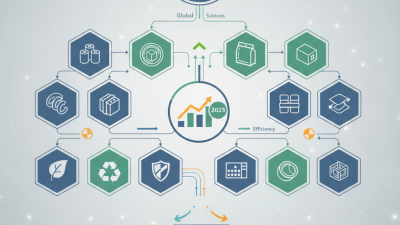
The chart above illustrates the top 10 benefits of plastic shrink packaging as perceived by global buyers. These benefits include cost efficiency, durability, and material waste reduction, among others, highlighting the value of plastic shrink packaging in various commercial applications.
Market Trends in Plastic Shrink Packaging for Global Buyers
The market for plastic shrink packaging is witnessing significant growth. According to a report by Fortune Business Insights, its value is projected to reach USD 30.66 billion by 2026, growing at a CAGR of 4.8% from 2019. This growth is driven by rising demand in various sectors, especially food and beverage. However, concerns about sustainability loom over this industry.
Current trends suggest a shift towards eco-friendly materials. Many consumers are now prioritizing packaging that can either be recycled or biodegraded. A study by Grand View Research reveals that sustainable plastic alternatives might account for up to 25% of the market share by 2025. While this aligns with environmental goals, the transition poses challenges. Producers must balance cost-effectiveness with sustainable practices.
Moreover, automation in shrink packaging is on the rise. A report by Allied Market Research indicates that automated packaging systems can reduce labor costs and increase efficiency. Companies are adopting these systems to keep up with growing e-commerce demands. Yet, the initial investment can be a barrier for small businesses. Finding the right technology remains a critical issue for many stakeholders.
In a constantly evolving landscape, adaptability is key for success in plastic shrink packaging.