2026 Top Trends in Plastic Shrink Wrap for Packaging and Protection?
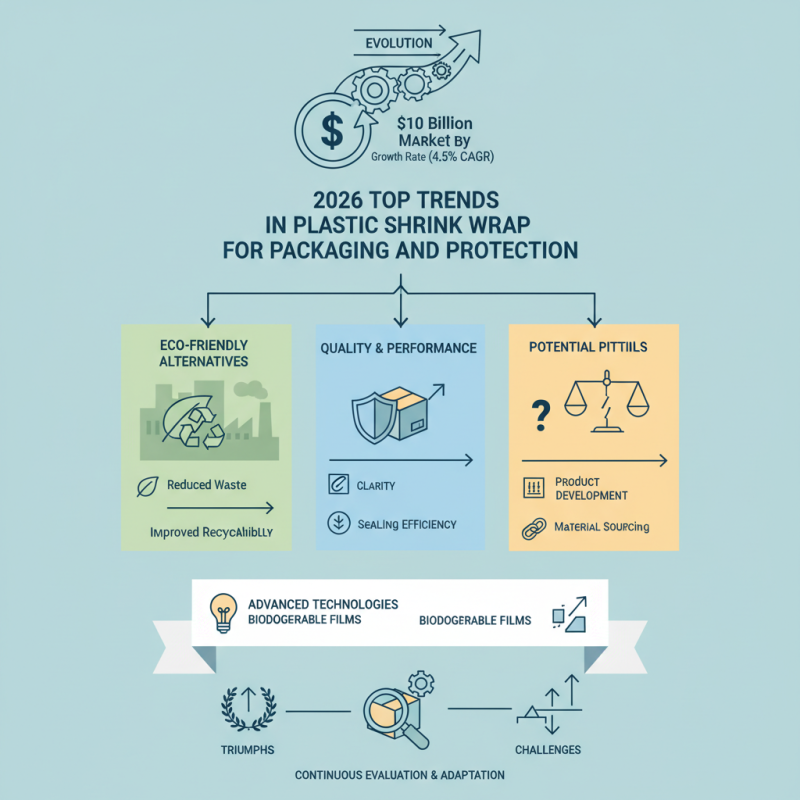
In 2026, the evolution of Plastic Shrink Wrap will significantly influence various industries. This material, known for its versatility and protective qualities, is projected to experience a compound annual growth rate (CAGR) of 4.5% from 2021 to 2026, according to industry reports. The demand for eco-friendly alternatives has risen, pushing manufacturers to innovate. These changes aim to reduce waste and improve recyclability, addressing sustainability concerns.
As consumers prioritize environmental responsibility, companies are challenged to adapt. The global market for Plastic Shrink Wrap is projected to reach approximately $10 billion by 2026. This shift indicates a growing emphasis on quality and performance. However, not all advancements will meet expectations, leading to potential pitfalls. It is crucial to scrutinize product development and material sourcing carefully.
Addressing issues such as durability, clarity, and sealing efficiency remains vital. Future trends will likely explore advanced technologies, like biodegradable films, while assessing their reliability. Companies must weigh the benefits against potential shortcomings in performance. The journey toward improved Plastic Shrink Wrap will involve both triumphs and challenges, revealing the necessity for continuous evaluation and adaptation in packaging solutions.
Emerging Innovations in Plastic Shrink Wrap Technology for 2026
In 2026, we expect substantial advancements in the plastic shrink wrap industry. Innovations are emerging to enhance product protection while reducing environmental impact. According to market reports, the global plastic shrink wrap market is expected to reach $10 billion by 2026, growing at a CAGR of over 5.5%. These innovations include biodegradable materials and energy-efficient production processes.
One notable trend is the development of smart shrink wrap. This technology can monitor temperature and humidity, ensuring optimal protective conditions for products. The integration of sensors within the packaging material offers real-time data. However, this may present challenges in terms of cost and technical implementation. Industries must weigh these benefits against potential price increases.
Tips: Focus on sustainable materials. Research shows that using recycled content can reduce carbon footprint significantly. Additionally, consider the lifecycle of the packaging. Assess how it will be disposed of after use. Engaging in these practices not only helps the environment but also enhances brand reputation.
Sustainability Trends Impacting Plastic Shrink Wrap Materials and Practices
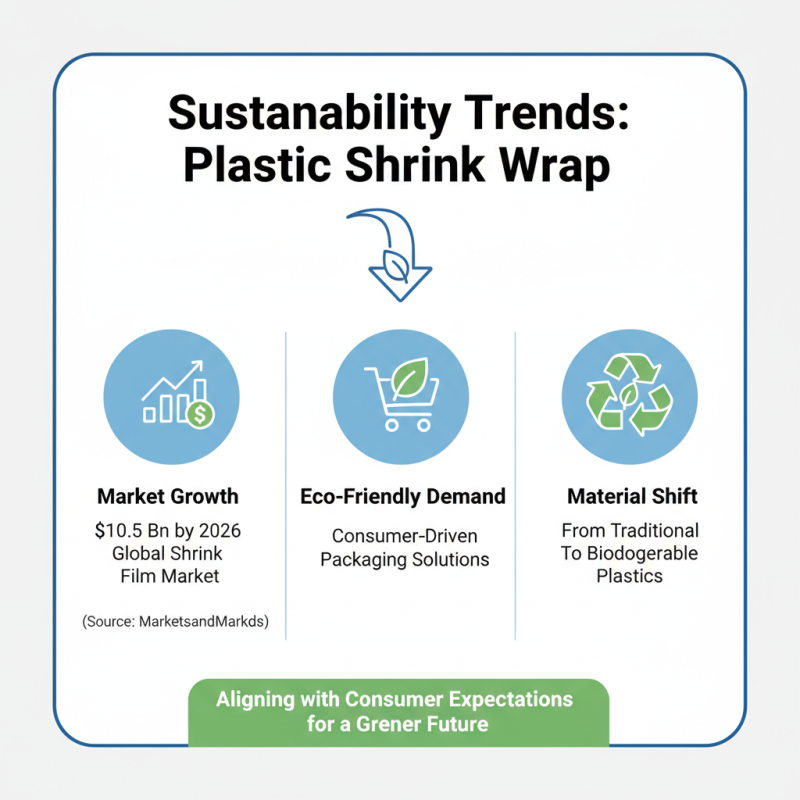
Sustainability is reshaping the landscape of plastic shrink wrap materials and practices. According to a recent report by MarketsandMarkets, the global shrink film market is expected to reach $10.50 billion by 2026. This growth is propelled by an increasing demand for eco-friendly packaging solutions. Companies are now transitioning from traditional plastics to biodegradable options. These new materials are not only effective but also align with consumer expectations for sustainability.
The shift toward sustainable practices presents challenges. Some biodegradable films may not perform as well as conventional plastics. Additionally, the end-of-life scenarios for these materials need further evaluation. Reports indicate that only 9% of plastic waste is recycled. This highlights the importance of innovative solutions that go beyond just material selection. Education around responsible disposal is vital. Collaboration between manufacturers, retailers, and consumers can enhance the overall effectiveness of sustainable shrink wrap solutions.
As the industry evolves, it will face scrutiny about the environmental impact of production processes. While recycled content in new films is a promising trend, the energy used in production remains a concern. Life cycle assessments are essential to gauge the true sustainability of these materials. Stakeholders must remain vigilant and continue to seek improvements in both product performance and environmental footprint.
Key Applications of Plastic Shrink Wrap in Various Industries by 2026
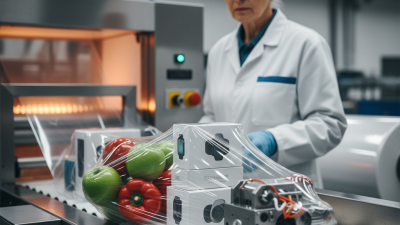
Plastic shrink wrap is gaining significant traction in various industries by 2026. This material offers an efficient way to protect products during shipping and storage. The versatility of plastic shrink wrap makes it ideal for packaging food, electronics, and consumer goods. Its tamper-proof qualities add an extra layer of security, particularly in the food sector.
Retail is likely to see new innovations, such as biodegradable shrink wraps. While these materials may not fully address sustainability concerns, they mark an essential shift toward environmentally friendly practices. Many manufacturers are testing different formulations to enhance durability without compromising the environment.
The use of plastic shrink wrap in industrial applications is also on the rise. It provides a reliable solution for bundling and securing heavy equipment. However, challenges remain, such as the need for effective recycling options. Industries will need to consider these factors while integrating shrink wrap into their packaging strategies. Adapting to changing regulations and consumer preferences will require ongoing effort and innovation.
Advancements in Shrink Wrap Equipment and Machinery for Enhanced Efficiency
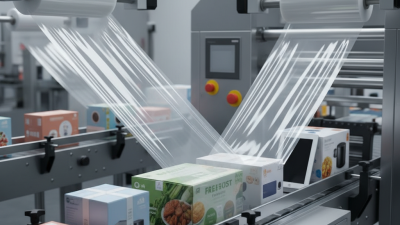
The landscape of plastic shrink wrap has evolved significantly. With advancements in machinery, efficiency in packaging has reached new heights. Modern shrink wrap equipment is designed to perform faster and with greater precision. This shift reduces operational costs while enhancing product protection.
Many companies are now investing in automated systems for shrink wrapping. These systems minimize human error and increase output. For instance, a robust system can wrap thousands of products per hour. This increases productivity and improves workflow on the packaging line.
Tips: Always consider the specific needs of your products when selecting machinery. Different shapes and sizes can require custom solutions. Additionally, regular training for staff on new equipment is essential. This ensures safety and optimal machine performance. Not all advancements may suit every application, so careful evaluation is necessary.
2026 Top Trends in Plastic Shrink Wrap for Packaging and Protection
This chart illustrates the projected growth trends in different applications of plastic shrink wrap by 2026. It highlights key sectors such as food packaging, industrial packaging, and retail packaging, showcasing their expected usage rates.
Consumer Preferences Shaping the Future of Packaging with Shrink Wrap
As consumer preferences evolve, the future of packaging with plastic shrink wrap becomes clearer. With environmental consciousness growing, consumers expect sustainable options. Brands are exploring biodegradable materials and reducing plastic use. Consumer demand drives these changes, encouraging innovation in packaging.
Tips: Always evaluate materials used in packaging. Research biodegradable alternatives. Assess how your choices impact the environment.
Protection and presentation are key in product packaging. Shrink wrap provides an effective barrier against dust and moisture. However, consumers are becoming more discerning. They want packaging that is not only functional but also visually appealing. This challenge prompts brands to rethink design approaches.
Tips: Invest in appealing graphics. Test different designs for consumer feedback. A good design speaks volumes about the brand's values.
The rise of online shopping amplifies the importance of shrink wrap. Products must arrive intact and attractive. Yet, over-packaging can frustrate consumers. Companies must find a balance. They should avoid excess waste while ensuring product safety.
Tips: Analyze shipping methods for efficiency. Simplify packaging where possible. Consumer satisfaction often hinges on thoughtful choices in packaging.