2026 Top Shrink Packaging Roll Trends for Global Buyers?
As the global market adapts to new challenges, the Shrink Packaging Roll industry must keep pace. Buyers now face diverse demands and innovations. Understanding trends in this sector is crucial for staying competitive.
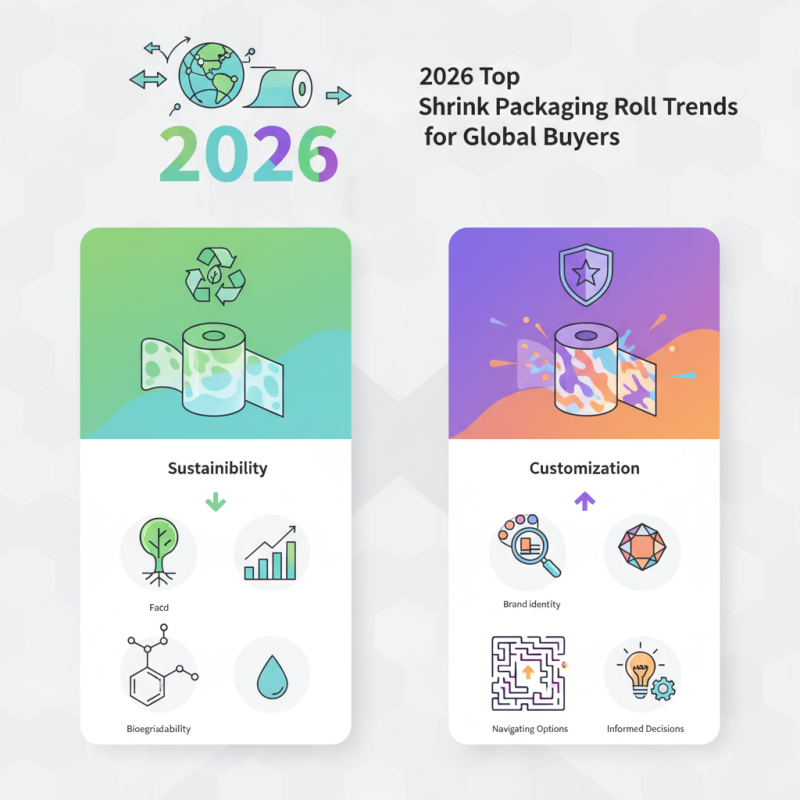
In 2026, sustainability is expected to dominate packaging choices. Eco-friendly materials and practices are gaining traction. Companies will seek transparent suppliers who prioritize environmental responsibility. Innovations in shrink films, such as biodegradable options, will draw interest.
Furthermore, customization is on the rise. Brands want packaging that reflects their identity. Enhanced visuals and unique shapes will capture consumer attention. However, finding reliable suppliers can be a challenge. Navigating through various options requires diligence. In this dynamic landscape, staying informed is essential for making sound decisions in shrink packaging.
Key Drivers Influencing Shrink Packaging Roll Demand in 2026
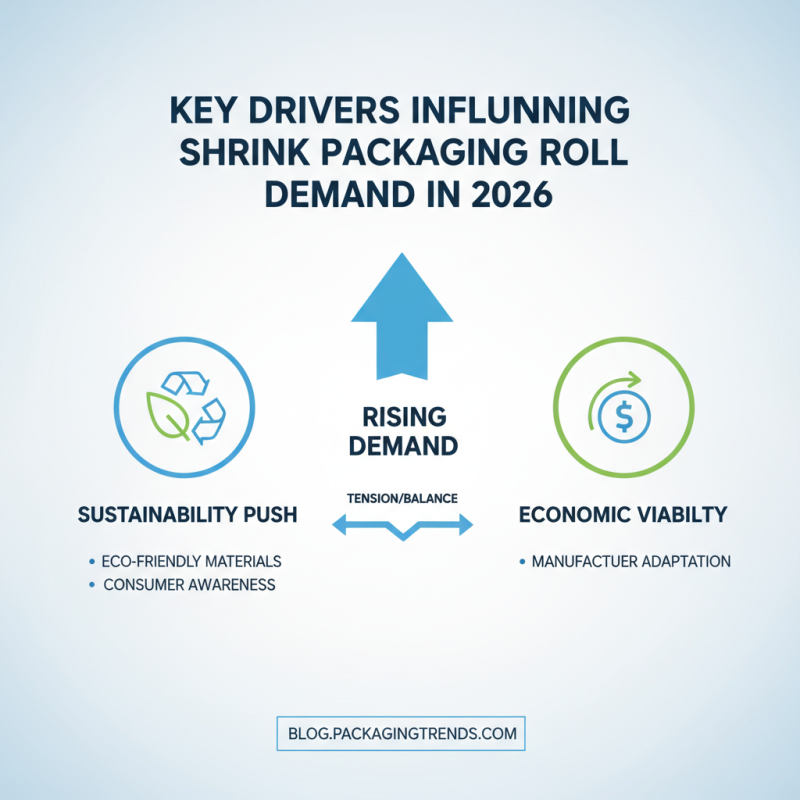
As we move into 2026, the demand for shrink packaging rolls is experiencing notable shifts. One key driver is the rising focus on sustainability. Consumers are increasingly aware of packaging waste. Manufacturers aim to meet these expectations by using eco-friendly materials in their shrink rolls. This trend highlights the imbalance between environmental responsibility and economic viability.
Another significant factor is the growth of e-commerce. As online shopping surges, so does the need for durable and efficient packaging. Businesses require solutions that not only protect products during shipment but also enhance aesthetics. However, reliance on advanced technology poses challenges. Companies must navigate the complexities of implementing new packaging designs while maintaining cost-effectiveness.
Tips: Consider using biodegradable shrink films to appeal to eco-conscious consumers. Regularly review packaging waste and explore ways to minimize it. Implementation of automation in packaging processes can save time but may require upfront investment. Balancing innovation with cost is essential. This evolving landscape calls for brands to adapt swiftly, keeping in mind that the packaging industry is on the brink of significant transformation.
Innovative Materials Transforming the Shrink Packaging Industry
Innovative materials are reshaping the shrink packaging industry in 2026. These advancements focus on sustainability and efficiency. Biodegradable films are gaining traction. They break down naturally, reducing landfill waste. This trend highlights a growing need for environmentally friendly packaging.
Polymer blends are being experimented with. They can withstand higher temperatures while still providing a tight seal. These materials enhance product protection during shipping and storage. As consumers become more eco-conscious, demand for such materials will likely rise.
Tip: Consider incorporating materials that align with sustainable practices in your packaging strategy. This could boost brand reputation among environmentally aware consumers.
Additionally, new additives improving clarity and strength are emerging. These additives promise better visibility on shelves and durability. Experimentation with recycled content is another trend. However, it requires careful research to ensure quality.
Tip: Stay informed about emerging materials and their applications. This knowledge can help you make wiser packaging choices that balance cost and performance.
2026 Top Shrink Packaging Roll Trends
Emerging Technologies Shaping Shrink Packaging Production Processes
Emerging technologies are significantly shaping shrink packaging production processes. Advanced automation is becoming a game-changer. Machinery now integrates artificial intelligence to streamline operations. This leads to reduced labor costs and enhanced efficiency. Smart sensors help monitor quality in real time. This minimizes waste and improves product integrity.
3D printing is also making waves in this field. It allows for rapid prototyping of shrink packaging designs. Brands can test concepts quickly and adjust based on data. However, these innovations come with challenges. Not all manufacturers can adapt quickly. The investment costs for new technologies can be a barrier. Many businesses must weigh these options carefully.
Sustainability remains a critical concern. Companies are exploring biodegradable materials in shrink films. This approach addresses environmental impact, yet the effectiveness is still debated. Finding the right balance between performance and sustainability is crucial. These trends show that while technology advances, reflection is needed. The industry must ensure that innovations meet real-world needs.
Sustainability Trends in Shrink Packaging Roll Solutions
Sustainability is becoming a key focus in shrink packaging. As environmental awareness grows, buyers are seeking eco-friendly solutions. The demand for biodegradable materials is rising. Many manufacturers are responding with innovative designs that minimize waste.
New materials are being developed to reduce plastic use. For example, some shrink films are made from renewable resources, like cornstarch. These materials offer similar protective qualities without the environmental impact. There is also a push for recyclable options. Enhanced recycling processes can help decrease landfill waste.
However, challenges remain. Some sustainable options may not perform as well as traditional materials. This compromises product safety and integrity. Buyers must weigh environmental benefits against performance needs. It's essential to keep evaluating these trade-offs as the industry evolves.
Market Opportunities and Challenges for Global Buyers in 2026
As global buyers navigate the shrink packaging market in 2026, understanding market opportunities is crucial. The shrink packaging sector is expected to grow significantly, with projections estimating a compound annual growth rate (CAGR) of 4.6% through 2026. This growth is driven by rising demands for sustainability and cost-effective packaging solutions. Notably, the Asia-Pacific region is likely to lead this expansion, fueled by increasing industrial production.
However, challenges persist. Fluctuating raw material prices can strain budgets. Buyers may need to consider alternative materials. The push for eco-friendly packaging adds complexity to sourcing decisions. Reports indicate that over 30% of consumers prioritize sustainable packaging. Therefore, adapting to this trend is essential for customer satisfaction.
Furthermore, technological advancements are shaping packaging innovations. Automation and efficiency improvements can reduce costs significantly. Buyers should explore new technologies, yet the initial investment can be daunting. Balancing innovation with mindful spending is a delicate task. The landscape is dynamic, and staying informed is vital for making sound decisions amidst uncertainties.