2025 Top Trends in Shrink Wrap Packaging You Should Know About
In recent years, the packaging industry has witnessed significant advancements, particularly in the realm of Shrink Wrap Packaging. This innovative packaging solution has gained traction due to its versatility, efficiency, and ability to enhance product presentation while providing protection. As we look ahead to 2025, it is crucial for businesses to stay informed about the emerging trends that are shaping this dynamic sector. Understanding these trends is essential for companies seeking to optimize their packaging processes, reduce costs, and improve sustainability.
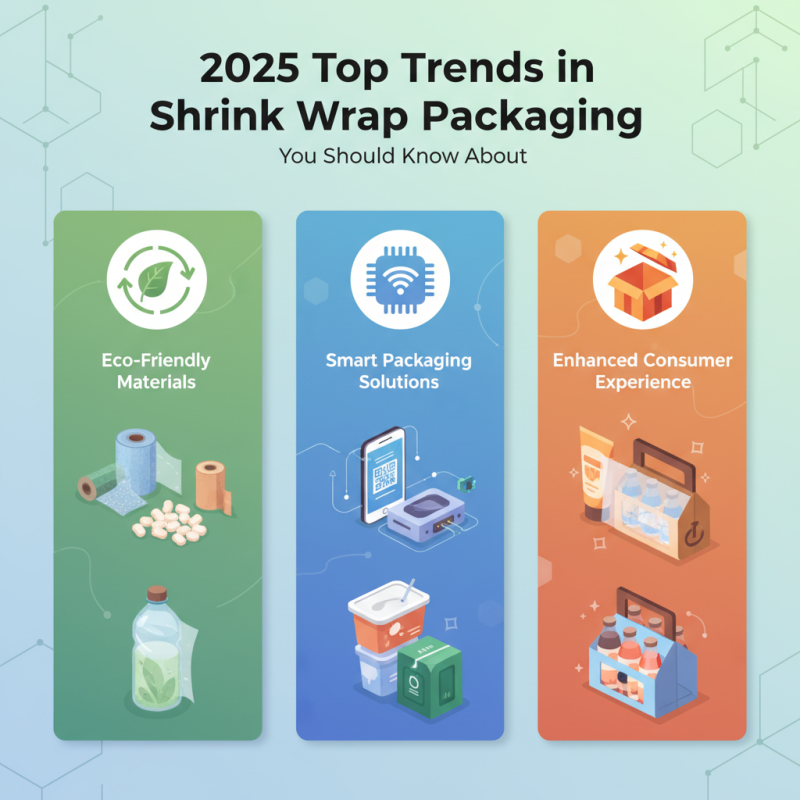
As sustainability continues to become a focal point for consumers and businesses alike, Shrink Wrap Packaging is evolving to meet these demands through the adoption of eco-friendly materials and practices. Additionally, advancements in technology are paving the way for smarter packaging solutions that not only preserve product integrity but also enhance consumer experience. By exploring the top trends in Shrink Wrap Packaging for 2025, companies can position themselves at the forefront of this transformative industry, ensuring they remain competitive and responsive to market needs.
Emerging Technologies in Shrink Wrap Packaging for 2025
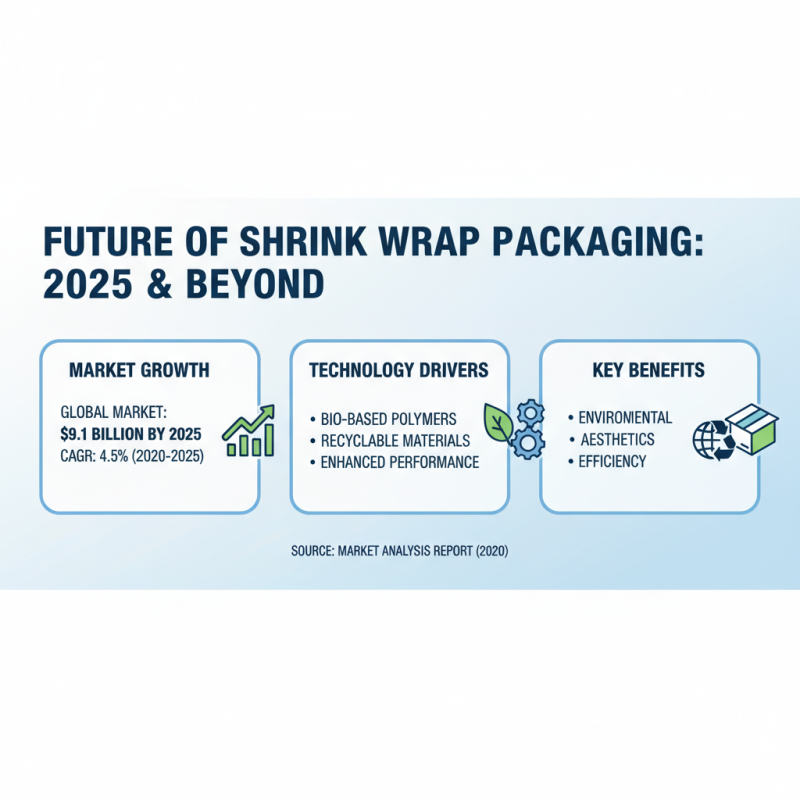
As we move toward 2025, shrink wrap packaging is poised for significant evolution driven by emerging technologies. The global market for shrink wrap packaging is anticipated to reach $9.1 billion by 2025, with a compound annual growth rate (CAGR) of 4.5% from 2020 to 2025, according to a recent market analysis report. Innovations in materials, such as the development of bio-based and recyclable polymers, are becoming increasingly influential. These advancements not only cater to environmental concerns but also enhance the overall performance and aesthetic appeal of packaging.
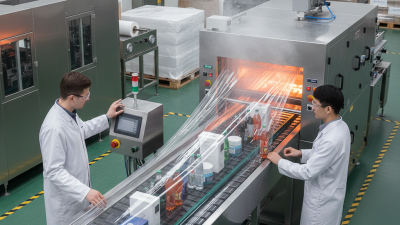
A prominent trend in shrink wrap packaging is the integration of automation and robotics. Automation technologies can streamline the packaging process, improving efficiency and reducing labor costs. The use of smart sensors in shrink wrap machines allows for real-time monitoring and adjustments, ensuring optimal performance and minimized waste. Reports indicate that businesses adopting automation in their packaging processes may see up to a 30% increase in throughput, highlighting the importance of technology in maintaining competitive advantage.
Tip: Consider investing in automated shrink wrapping solutions to improve efficiency and reduce long-term costs. Additionally, explore sustainable materials to appeal to environmentally conscious consumers.
Another noteworthy advancement is the adoption of innovative sealing technologies that enhance the integrity and durability of shrink wrap packaging. Techniques such as ultrasonic sealing and microwave sealing are gaining traction, providing stronger bonds and reducing the energy required for the sealing process. With sustainability at the forefront, using these advanced sealing methods can lead to thinner, lighter packaging materials, thereby reducing resource usage and waste.
Tip: Stay updated on the latest sealing technologies to ensure your shrink wrap products are both high-quality and environmentally friendly.
Sustainable Practices Transforming Shrink Wrap Packaging Industry
In recent years, the shrink wrap packaging industry has witnessed a remarkable shift towards sustainable practices, driven by growing environmental awareness and consumer demand for eco-friendly solutions. According to a report by Smithers Pira, the global market for sustainable packaging is projected to reach $400 billion by 2025, indicating a significant opportunity for growth within the shrink wrap segment. Companies are increasingly adopting recyclable and biodegradable materials, which not only meet regulatory standards but also align with their corporate social responsibility goals.
One of the pivotal trends reshaping shrink wrap packaging is the integration of renewable resources. A recent study by the Flexible Packaging Association highlighted that nearly 60% of companies in the shrink wrap industry are exploring bio-based films and materials, which can reduce carbon footprints significantly. Moreover, advancements in technology have enabled the development of thinner, more efficient shrink films that use less material while maintaining performance, exploring the shift towards minimalistic packaging without compromising on durability or protective qualities. As these sustainable practices gain momentum, the industry is likely to see a paradigm shift that blends innovation with ecological responsibility.
Innovative Materials Driving the Future of Shrink Wrap Solutions
As the packaging industry evolves, innovative materials are at the forefront of transforming shrink wrap solutions. In 2025, we can expect to see the integration of biodegradable polymers that not only provide effective protection but also reduce environmental impact. These materials are derived from renewable resources and offer a sustainable alternative to traditional plastics, enabling businesses to meet consumer demand for eco-friendly packaging options.
Additionally, advancements in smart materials are making their way into shrink wrap packaging. These include temperature-sensitive films that can change appearance based on surrounding temperatures, providing visual cues for freshness or quality. This innovation not only enhances the consumer experience but also helps brands communicate critical product information without the need for additional labels.
Tips: When considering shrink wrap packaging, prioritize materials that align with your sustainability goals. Explore options that minimize waste and improve recyclability. Additionally, keep an eye on emerging technologies in the packaging space; investing in smart materials can set your brand apart and attract environmentally conscious consumers. Always evaluate the cost-benefit ratio of new materials to ensure they align with your business objectives while enhancing product appeal.
2025 Top Trends in Shrink Wrap Packaging
This bar chart illustrates the expected adoption rates of various trends in shrink wrap packaging by 2025. Biodegradable materials are anticipated to lead the way, followed by smart packaging technologies and tamper-evident features.
Consumer Preferences Shaping Shrink Wrap Packaging Trends
Consumer preferences are significantly shaping the landscape of shrink wrap packaging as we move towards 2025. Recent market research suggests that 60% of consumers prioritize sustainable packaging options, leading manufacturers to innovate and adapt their shrink wrap solutions accordingly. Reports from industry sources indicate that the market for biodegradable and recyclable packaging is projected to grow by over 20% annually, as consumers increasingly demand environmentally friendly alternatives. This shift in consumer sentiment is prompting companies to explore innovative materials that reduce environmental impact without compromising on performance.
Furthermore, the demand for tamper-proof and protective packaging is on the rise, driven by consumers' desire for product safety and quality assurance. A notable report reveals that 75% of consumers express heightened concern over food safety, which directly influences their purchasing decisions. In response, manufacturers are focusing on enhancing the barrier properties of shrink films to ensure longer shelf life and integrity of food products. As technology advances, solutions such as resealable shrink wraps are becoming more prevalent, catering to the growing consumer preference for convenience and reusability. This year, we expect to see a notable increase in such innovations, setting the stage for a transformative era in shrink wrap packaging.
2025 Top Trends in Shrink Wrap Packaging You Should Know About
| Trend |
Description |
Consumer Impact |
Sustainability Aspect |
| Eco-Friendly Materials |
Increasing use of biodegradable and recyclable materials in shrink wrap. |
Appeals to environmentally conscious consumers. |
Reduces plastic waste and promotes clean packaging. |
| Smart Packaging |
Integration of technology such as QR codes for customer engagement. |
Enhances user interaction and provides product information. |
Encourages reduced product returns through better information. |
| Customizable Packaging |
Tailored shrink wrap designs that cater to specific branding needs. |
Boosts brand recognition and consumer loyalty. |
Promotes reuse of packaging through designs that encourage long-term use. |
| Minimalist Design |
Simplistic and clear packaging design trends gaining popularity. |
Appeals to consumers seeking clarity and simplicity. |
Reduces material use and waste through smarter design. |
| Enhanced Product Visibility |
Use of transparent and clear materials for better product visibility. |
Boosts consumer confidence in product quality. |
Encourages informed purchasing decisions and reduces waste. |
Market Predictions: Growth and Challenges in Shrink Wrap Packaging
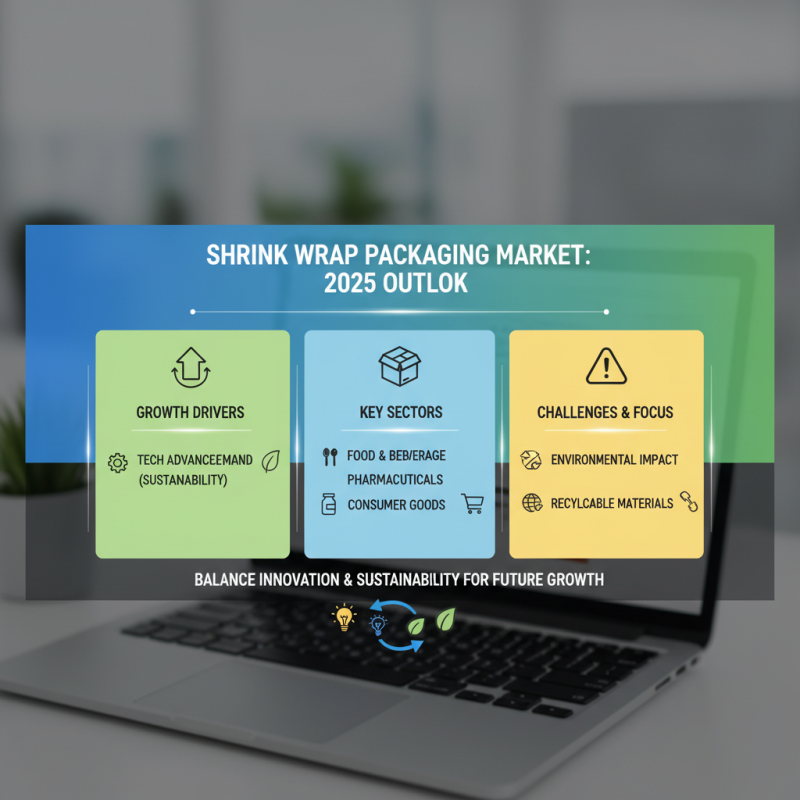
As we head towards 2025, the shrink wrap packaging market is poised for significant growth, driven by advancements in technology and an increase in consumer demand for sustainable products. Industry analysts predict a steady rise in the application of shrink wrap across various sectors including food, pharmaceuticals, and consumer goods. However, the market also faces challenges, primarily concerning environmental impact and the need for recyclable materials. Companies will need to balance innovation with sustainability to thrive in this evolving landscape.
For businesses looking to navigate these trends effectively, it's essential to focus on adopting eco-friendly materials. Switching to biodegradable or recyclable shrink films can not only enhance your brand's image but also comply with emerging regulations aimed at reducing plastic waste. Additionally, investing in automation can improve efficiency and reduce labor costs, addressing operational challenges amidst rising consumer expectations for faster delivery times.
Tip: Stay ahead of the curve by regularly analyzing market trends and adjusting your packaging strategies accordingly. Collaborating with suppliers who prioritize sustainability will give your products a competitive edge and resonate with environmentally conscious consumers.