2025 Guide: How to Choose the Best Shrink Film Packaging for Your Needs
In the ever-evolving landscape of Shrink Film Packaging has emerged as a pivotal choice for businesses aiming to enhance product presentation, protection, and shelf life. According to a recent market analysis by Smithers Pira, the global shrink film market is projected to reach approximately $14 billion by 2025, reflecting a robust annual growth rate driven by increasing consumer demand for
sustainable and user-friendly packaging options. This surge underscores the importance of selecting the right shrink film that not only meets functional requirements but also aligns with brand values and consumer expectations.
As businesses navigate the diverse array of shrink film products available, understanding the specific needs of their packaging applications is crucial. Factors such as compatibility with product materials, shrink ratio, and environmental impact play a significant role in the decision-making process. Furthermore, an industry report from Packaging Strategies highlights that nearly 60% of consumers prioritize eco-friendly packaging, urging companies to adopt solutions that minimize waste and promote recyclability. This guide will provide essential insights on how to choose the best Shrink Film Packaging tailored to your unique needs, ensuring you remain competitive in a growing market.

Understanding Different Types of Shrink Film and Their Applications
When selecting the best shrink film packaging for your needs, it is crucial to understand the different types available and their specific applications. Polyolefin shrink film is one of the most popular choices due to its versatility and strong barrier properties. According to a recent industry report from Smithers Pira, the global demand for polyolefin shrink film is expected to grow at a CAGR of 4.5% from 2021 to 2026, making it a dependable option for various sectors, including food, consumer goods, and pharmaceuticals.
Another significant type is PVC shrink film, which has long been favored in the packaging industry for its clarity and ease of use. However, it is essential to note that while PVC offers excellent clarity and cost-effectiveness, it is subject to regulatory scrutiny due to environmental concerns. For instance, a study by the Flexible Packaging Association revealed that while PVC holds a significant market share, the trend is shifting towards more eco-friendly materials, with biodegradable and recycled options gaining traction among consumers. Choosing the right shrink film not only enhances product protection but also aligns with sustainability goals that are increasingly relevant in today's marketplace.
2025 Guide: How to Choose the Best Shrink Film Packaging for Your Needs
| Type of Shrink Film |
Material |
Common Applications |
Temperature Range (°F) |
Thickness (mil) |
| PVC Shrink Film |
Polyvinyl Chloride |
Food Packaging, Retail Products |
160-190 |
60-100 |
| PE Shrink Film |
Polyethylene |
Bottles, Pallet Wrapping |
220-250 |
30-75 |
| PP Shrink Film |
Polypropylene |
Labels, Multipacks |
180-220 |
50-100 |
| PET Shrink Film |
Polyethylene Terephthalate |
High-end Retail, Electronics |
200-260 |
40-70 |
Key Factors to Consider When Selecting Shrink Film for Your Products
When selecting shrink film for your products, several key factors must be considered to ensure optimal performance and protection. First, assess the material compatibility with your product. Different shrink films are made from various plastics like PVC, polyolefin, and polyethylene, each offering distinct characteristics. For instance, polyolefin films are known for their clarity and strength, making them ideal for packaging food and retail items, while PVC films are generally more economical for less sensitive products.
Another critical factor is the shrink temperature and shrink ratio. The right shrink temperature ensures effective sealing without damaging the product, while the shrink ratio determines how tightly the film wraps around the item. A higher shrink ratio provides a snug fit, which is particularly beneficial for irregularly shaped items. Additionally, consider the environmental impact of the shrink film. Opting for recyclable or biodegradable films can enhance your brand's sustainability efforts and appeal to eco-conscious consumers. By meticulously evaluating these aspects, you can choose shrink film packaging that not only protects your products but also aligns with your business goals.
The Importance of Thickness and Strength in Shrink Film Packaging
When selecting shrink film packaging, understanding the significance of thickness and strength is crucial.
The thickness of shrink film directly influences its durability and protective capacity. Thicker films provide a stronger barrier against environmental factors such as moisture, dust, and UV rays, which can be essential for preserving the integrity of the products inside. For heavy or fragile items, opting for a thicker film can prevent tears and punctures during handling and shipping, ensuring that products arrive at their destination intact.
Strength, on the other hand, refers to the film's ability to withstand stretching and conform to the shape of the item being wrapped. A strong shrink film will secure the product tightly, reducing movement within the packaging and minimizing the risk of damage during transport. Moreover, stronger films are less likely to suffer from stress-related failures, maintaining a neat appearance and enhancing the overall presentation.
Therefore, when choosing shrink film packaging, it is essential to strike a balance between thickness and strength to effectively protect and present your products.
Comparing Cost Efficiency: Budgeting for Shrink Film Solutions
When considering shrink film solutions for packaging, cost efficiency is a critical factor that businesses must evaluate. The growing market for automatic shrink packaging machines reflects a broader trend in the industry, with projections indicating an increase from $1.44 billion in 2025 to $2.18 billion by 2034, achieving a steady compound annual growth rate (CAGR) of 4.7%. This growth highlights the importance of selecting the right shrink film packaging that aligns with both budget constraints and operational needs.
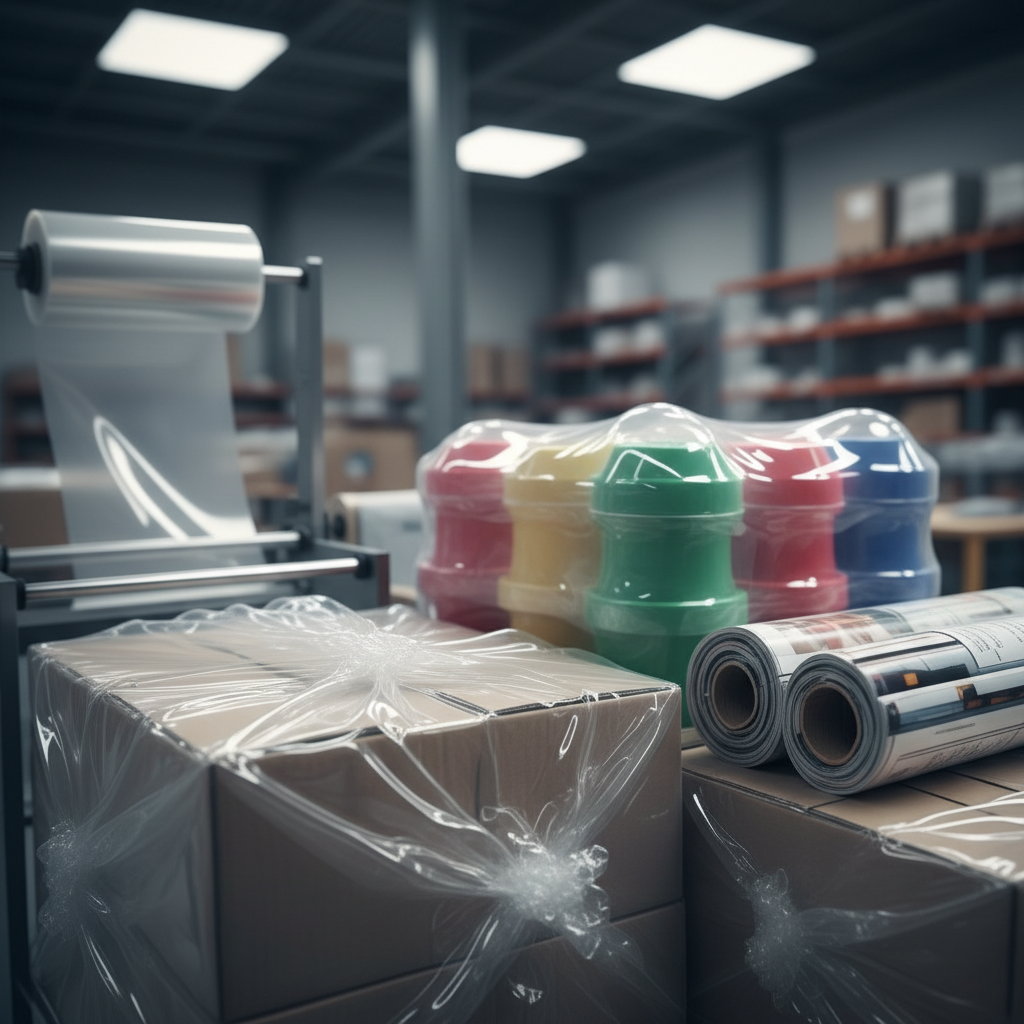
Investing in shrink film packaging not only boosts product protection and presentation but also enhances overall efficiency. Businesses need to assess various film types, thicknesses, and wrapping methods while also factoring in acquisition and operational costs. By carefully budgeting for these solutions, companies can ensure they are making long-term operational decisions that not only meet packaging needs but also contribute to a reduction in wastage and increased productivity over time.
Understanding the total cost of ownership, including maintenance and material costs, will further aid in creating a sustainable packaging strategy that supports future growth.
Sustainability in Shrink Film: Eco-friendly Options for Packaging Needs
As the demand for sustainable packaging continues to rise, eco-friendly shrink film options are becoming increasingly popular among businesses. These materials not only meet consumer expectations for environmentally responsible practices but also provide an effective way to protect and preserve products. Many manufacturers are now offering shrink films made from biodegradable and compostable materials, which break down more easily than traditional plastics, thereby minimizing environmental impact.

Adopting sustainable shrink film solutions can significantly reduce a company's carbon footprint and align its branding with eco-conscious values. Additionally, recyclable shrink films provide an alternative for businesses looking to maintain their packaging integrity while still contributing to a circular economy. With advancements in technology, sustainable shrink films are becoming more durable and versatile, making them suitable for various applications. By prioritizing eco-friendly options, businesses can enhance their marketability while contributing positively to environmental conservation efforts.