Leave Your Message

10 Best Plastic Shrink Wrap Suppliers for Global Buyers?

Global buyers are reassessing Plastic Shrink Wrap as logistics costs, sustainability demands, and product protection standards continue to change. This review examines ten suppliers serving international markets, not merely the cheapest listings.

UNEP’s 2023 Turning off the Tap report estimates that packaging represents approximately 36% of global plastic production. The OECD Global Plastics Outlook also identifies packaging as the largest source of plastic waste, with 142 million tonnes generated in 2019. These figures make supplier selection more important than ever. Film thickness, puncture resistance, sealing performance, recycled content, and documentation all affect real purchasing outcomes.

Smithers’ flexible packaging market research highlights food protection, e-commerce, and transport efficiency as major demand drivers. Yet market growth does not automatically mean responsible sourcing. A thinner film may reduce material use, but it can fail during long-distance shipping. That failure creates waste, claims, and damaged cartons. The bargain can become expensive.

Packaging researcher Susan Selke has observed, “Packaging is not waste; it is a resource in the wrong place.” Her point deserves practical attention. Buyers should ask where the film comes from, how consistently it performs, and whether suppliers provide reliable technical data. No supplier is perfect. Some websites also promise more than their test reports prove.

This guide compares ten Plastic Shrink Wrap suppliers using production capability, export experience, customization, quality controls, certifications, minimum order quantities, and communication reliability. It is not a substitute for independent testing. However, it offers a useful starting point for buyers choosing film that protects products without overlooking environmental responsibility.

10 Best Plastic Shrink Wrap Suppliers for Global Buyers?

What Is Plastic Shrink Wrap and Why Do Global Buyers Use It?

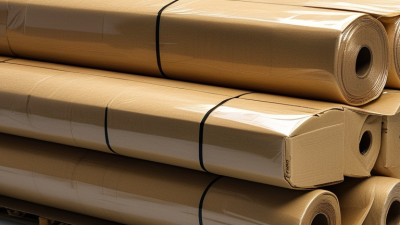
Plastic shrink wrap is a polymer film that tightens around products when heated. It is commonly made from polyethylene, especially low-density or linear low-density polyethylene. Buyers use it to bundle cartons, stabilize pallets, and protect goods from dust and light moisture during storage or transport. The film is transparent, lightweight, and easy to inspect. That matters when a pallet moves through several warehouses.

Its value is practical. A properly sized film can reduce shifting, torn cartons, and manual rework. In packaging tests, operators usually check puncture resistance, shrink percentage, seal strength, and film thickness. Small differences can affect the final result. Too much heat may damage labels or deform thin packaging. Too little heat leaves loose folds. It is not a magic shield.

The environmental question deserves equal attention. The OECD’s Global Plastics Outlook reported that global plastic production reached 460 million tonnes in 2019, while plastic waste reached 353 million tonnes. Packaging was a major driver of short-use plastic demand. Another international packaging assessment notes that downgauging can reduce material use, but only when load stability remains acceptable. This is where buyers must reflect. Thinner is not always better. They should request verified specifications, recycled-content information, and clear disposal guidance. A reliable supplier should provide test data, consistent rolls, and transparent tolerances, not just a low price.

How to Evaluate Plastic Shrink Wrap Suppliers Worldwide

10 Best Plastic Shrink Wrap Suppliers for Global Buyers?

How to Evaluate Plastic Shrink Wrap Suppliers Worldwide

Choosing a plastic shrink wrap supplier requires more than comparing prices. Start with measurable film performance. Request gauge tolerance, tensile strength, elongation, shrink temperature, and seal strength data. A reliable supplier should provide recent laboratory reports, not only a polished product sheet. Ask for samples from different production batches. Test them on your own packaging line.

The OECD’s Global Plastics Outlook reported that global plastic waste reached 353 million tonnes in 2019, while only 9% was recycled. This makes material traceability increasingly important. Evaluate recycled-content claims, resin origin, and production controls. Request certificates, batch records, and third-party verification where available. ISO 9001 certification can support process consistency, but it cannot replace an on-site audit.

Look closely at delivery reliability. Compare standard lead times, minimum order quantities, export packaging, and Incoterms. Ask how the supplier handles cloudy film, uneven shrinkage, or broken seals. Real experience matters here. A small trial order may reveal more than a long negotiation. Still, trial results can mislead if your machine settings differ. Record temperature, speed, and film tension during testing. Review the supplier’s corrective-action process and claims history. Sustainable packaging reports often emphasize recyclability, yet practical recycling depends on local collection systems. Treat broad environmental claims carefully. Supplier evaluation is never perfectly objective. Its weakness is the quality of the evidence collected.

The 10 Best Plastic Shrink Wrap Suppliers for Global Buyers

The 10 Best Plastic Shrink Wrap Suppliers for Global Buyers should be judged by evidence, not catalogue photographs. Grand View Research estimates the global shrink film market reached about USD 8.2 billion in 2023, with continued growth expected through 2030. Demand is rising in food, household goods, and pallet logistics. That is significant.

A reliable supplier should provide film thickness records, seal-strength results, and batch-level certificates. For export shipments, ask for 15–50 micron options, consistent roll winding, and puncture testing. Request samples before approving a container order. Wrap that tears around a sharp carton corner can create costly claims. Supplier audits should also examine resin sourcing, factory maintenance, worker training, and production traceability. PlasticsEurope reported that packaging represented approximately 39% of European plastics demand in 2022, showing why packaging performance and material responsibility matter. However, market reports use different product definitions, so buyers should compare assumptions carefully. A supplier may advertise recycled content, yet provide weak documentation. That gap deserves attention. Check recycled-content percentages, food-contact declarations where relevant, export packing, lead times, and clear Incoterms. The strongest candidates among ten suppliers will explain limitations openly, offer stable quality across repeat orders, and respond with measurable data rather than vague promises. Pricing still matters, but the cheapest roll is rarely the lowest landed cost.

Key Product, Quality, and Compliance Factors to Compare

Choosing among the 10 best plastic shrink wrap suppliers requires more than comparing roll prices. Buyers should examine film type, thickness tolerance, shrink ratio, seal strength, clarity, and puncture resistance. ASTM D2732 can verify free shrink, while ASTM D882 measures tensile properties. Ask for recent test reports, not only a technical data sheet. Small variations can damage cartons during automatic wrapping.

Quality also depends on production controls. A reliable supplier should explain resin sourcing, gauge monitoring, batch traceability, and storage conditions. The OECD Global Plastics Outlook reports that packaging creates about 40% of global plastic waste. This makes recycled content, downgauging, and recyclable structures important comparison points. However, thinner film is not automatically better. I have seen “lightweight” specifications increase breakage and material waste during transport.

Compliance needs equal attention. Request declarations covering applicable food-contact rules, chemical restrictions, recycled-content claims, and extended producer responsibility duties in the destination market. Requirements differ across countries, so generic certificates may be insufficient. Suppliers should identify the testing laboratory, report date, product grade, and intended application. The 2023 UNEP report, Turning off the Tap, highlights the need for stronger circularity and better product design across plastics systems. Still, sustainability claims deserve careful checking. A supplier may provide recycled film, but the evidence can be incomplete. Compare certificates, audit findings, minimum order quantities, lead times, and complaint-response procedures before signing. Reliability is measured during a shortage, not during a sales presentation.

10 Best Plastic Shrink Wrap Suppliers for Global Buyers? - Key Product, Quality, and Compliance Factors to Compare
Supplier Profile Primary Supply Region Main Film Types Typical Thickness Typical Width Range Typical MOQ Common Quality Documents Common Compliance Evidence Typical Lead Time Best-Fit Buyer
Profile 01 East Asia PE shrink film; polyolefin film 9–100 μm 200–2,000 mm 500–1,000 kg COA; thickness profile; tensile and elongation results SDS; REACH/RoHS declarations where applicable; packaging test records 20–35 days Importers seeking broad customization
Profile 02 Southeast Asia PE centerfold; single-wound PE film 30–150 μm 300–2,500 mm 1–3 pallets COA; dart-impact results; seal-strength data Food-contact declaration for applicable grades; SDS; facility audit records 25–40 days Retail and beverage secondary packaging
Profile 03 South Asia PE heavy-duty shrink film 80–250 μm 500–4,000 mm 1–5 metric tons COA; puncture resistance; tear strength; dimensional stability SDS; recycled-content documentation when claimed; export packing records 30–45 days Construction materials and pallet protection
Profile 04 Western Europe Polyolefin shrink film; perforated film 9–40 μm 200–1,600 mm 250–500 kg COA; optical properties; shrink-force and shrinkage data EU food-contact documentation where relevant; REACH; ISO 9001 evidence 15–30 days Food, pharmaceutical, and premium retail packaging
Profile 05 North America PE shrink film; industrial tubing 50–300 μm 300–3,600 mm 1–2 truckloads COA; ASTM-based test reports; gauge-control records SDS; applicable food-contact statement; recycled-content certification when applicable 10–25 business days Large-volume industrial purchasers
Profile 06 Eastern Europe Polyolefin film; printed shrink film 12–60 μm 250–1,800 mm 300–800 kg COA; print-registration records; seal and shrink testing REACH/RoHS declarations where applicable; ink and adhesive compliance statements 20–35 days Private-label and promotional packaging
Profile 07 Middle East PE pallet-cover film; UV-stabilized film 60–200 μm 600–3,000 mm 1–5 metric tons COA; UV-exposure data; puncture and tear results SDS; outdoor-use performance statement; origin and export documentation 25–45 days Outdoor storage and hot-climate logistics
Profile 08 Latin America PE shrink film; recycled-content film 40–180 μm 300–2,500 mm 500–2,000 kg COA; recycled-content percentage; mechanical-property reports Recycled-content chain-of-custody evidence when claimed; SDS; local packaging declarations 25–50 days Cost-sensitive buyers with circularity targets
Profile 09 Oceania Polyolefin film; small-format shrink bags 12–75 μm 150–1,200 mm 200–500 kg COA; bag dimensions; seal integrity; shrink-performance data Food-contact statement where relevant; SDS; packaging-material declarations 30–50 days Small and medium consumer-goods packers
Profile 10 Global export network PE film; polyolefin film; custom bags and tubing 9–300 μm 150–4,000 mm Mixed pallet or container quantity COA; pre-shipment inspection; batch traceability; retained samples SDS; destination-market declarations; third-party audit or testing reports 15–45 days Multi-country buyers requiring consolidated sourcing
Comparison note: The figures above are practical industry benchmark ranges for anonymous supplier profiles, not claims about any named company. Actual specifications, minimum order quantities, certifications, lead times, and destination-market compliance must be confirmed in the supplier quotation, technical data sheet, certificate of analysis, safety data sheet, and independent test reports.

How to Select, Order, and Manage an International Supplier

Selecting a plastic shrink wrap supplier requires more than comparing prices.

The OECD Global Plastics Outlook reports that plastic waste reached 353 million tonnes in 2019. Packaging represented about 40% of that volume. Buyers should therefore request material specifications, recycled-content evidence, and end-of-life guidance.

Ask for evidence. A reliable supplier should provide film thickness tolerance, tensile strength, elongation, shrink temperature, and sealing performance. Request independent test reports using recognized methods, such as ASTM D882 or ISO 527.

Ordering internationally demands precise documents. Confirm roll width, length, core size, carton dimensions, pallet pattern, and acceptable defect limits. A 12-micron film may perform differently across machines, climates, and product shapes.

Always approve a production sample before placing a full container order. Include the approved sample number in the purchase contract. Payment milestones should connect to inspection, shipping documents, and agreed Incoterms. Do not guess.

Supplier management continues after delivery. Track roll weight, film breaks, shrink consistency, arrival damage, and complaint response time. Keep a simple scorecard each quarter.

The UNEP report Turning off the Tap states that global plastic pollution could be reduced substantially through reuse, recycling, and better product design. This makes recycled content and downgauging important discussion points, but thinner film is not automatically better.

The sample looked fine. That was not enough. A rushed trial can hide weak seals, unstable pallets, or higher material use during production.

Maintain a second qualified source when lead times, currency changes, or port disruptions threaten supply.